
No Minimum Deposit Casino UK 2026: The Reality Behind £1 Deposits
 Available in US
The UK online casino market advertises plenty of “no minimum deposit” and “£1 minimum deposit” sites. The reality is messier. Payment processors reject transactions below certain floors, welcome bonuses require £10 or £20 to activate, and withdrawal minimums often trap small balances. Most casinos that claim no minimum deposit are either low-minimum operators (£5–£10) or no-deposit bonus sites where you play free spins without depositing at all.
This guide maps the UK’s genuinely low-entry casinos in 2026. Every operator listed holds a valid UK Gambling Commission licence. The breakdowns cover what each site actually allows, which payment methods work at micro-deposit levels, where bonus terms diverge from stated minimums, and how withdrawal floors interact with £1–£5 deposits. The goal is a working answer to one question: where can you deposit pocket change and play real-money games without hitting walls the marketing copy doesn’t mention?
What “No Minimum Deposit Casino” Actually Means in the UK (2026)
The phrase gets used loosely, and lumping three different models together causes confusion. A true no minimum deposit casino lets you fund an account with any amount the payment method permits, including zero, and still access real-money games or bonuses. A low minimum deposit casino sets a floor, but a small one: £1, £5, or £10. A no deposit bonus casino hands you free spins or bonus funds simply for registering, no deposit required. These are distinct products with different mechanics.
True No Minimum Deposit Casinos
A casino stating “no minimum deposit” in its terms places no formal lower limit on deposit amounts. The casino will accept whatever the payment rail delivers. In practice, this is constrained by payment processors, not the casino. Visa and Mastercard debit card processors typically reject transactions under £1. PayPal’s minimum transaction sits around £1, and merchant fees (2.9% + £0.30 fixed per transaction) make anything below £5 commercially marginal for the operator. Trustly and open banking integrations technically support sub-£1 transfers, but most UK casino implementations round deposits to £1 as a practical floor.
True zero-minimum casinos are rare in the UK as of 2026. The economics don’t work. A £1 card deposit costs the casino £0.20–£0.50 in processing fees before the player spins a single slot. Most operators absorb this by setting a £5 or £10 minimum, which is why the market has consolidated around those figures rather than literal zero-minimum floors.
Low Minimum Deposit Casinos (£1–£10)
The majority of UK sites marketed as “no minimum” are actually low-minimum operators. They set a formal floor at £1, £5, or £10 but pitch it as accessible compared to the £20–£50 thresholds some premium brands enforce. £10 became the de facto UK standard by 2024, so a £5 minimum now reads as “low” and a £1 minimum as rare. Operators accepting £1 typically do so only via specific payment methods (bank transfer, e-wallets) where fixed fees are lower, or run the offer as a customer acquisition loss leader.
The £5 tier is where the market actually lives. Gala, Betfair, Midnite, Coral (for certain promotions), and a handful of others accept £5 across most payment methods. £10 is standard everywhere else. The distinction matters when comparing welcome bonuses: a £5-minimum site that requires £20 to activate the bonus is functionally identical to a £20-minimum site for new players.
No Deposit Bonus Casinos
No deposit bonuses are the third category. The casino credits free spins or bonus cash to your account without requiring a deposit. UKGC rules require these to be genuinely free: no hidden deposit condition, no activation fees, no buried wagering traps labelled “free” in the headline. Typical offers include 5–50 free spins on specified slots (e.g. SlotGames gives 5 spins on Aztec Gems), or gamified mechanics like Betfred’s Prize Reel and Bet365’s Prize Pinball, where you spin a wheel daily for free spins without depositing.
The catch: card verification is usually required. You link a debit card to your account, but the casino doesn’t charge it. This proves age and identity while keeping the offer technically deposit-free. Winnings from no-deposit spins typically have caps (£25–£100 max withdrawal), require wagering (commonly 10x under the January 2026 UKGC reform, though some offers are wager-free), and expire quickly (7–30 days).
The Payment Method Reality
Casino minimums are only one half of the equation. The payment method imposes its own floor, and the higher of the two governs what you can actually deposit.
Debit cards (Visa/Mastercard): Processors reject transactions under £1. Some casino integrations set £5 or £10 on cards regardless of the casino’s stated minimum, because card fees are flat per transaction and small deposits bleed margin.
PayPal: PayPal’s own minimum transaction is approximately £1, sometimes higher for gambling merchants. The fixed fee (£0.30) means a £1 deposit costs the casino 30% in fees before rake, so PayPal minimums at casinos usually sit at £5–£10.
Trustly and open banking: The most flexible rail for micro-deposits. Bank-to-bank transfer supports sub-£1 amounts technically, but most UK casinos round to £1 minimum because their cashier systems don’t handle pence. Trustly doesn’t charge fixed fees the way PayPal does, making it viable for £1–£5 deposits where it’s supported.
Paysafecard: Voucher denominations start at £10. Incompatible with micro-deposits by design.
Pay by mobile (Boku): Charges the deposit to your mobile phone bill. Minimum usually £10 due to telco billing integration costs. Not viable for £1–£5 play.
The practical upshot: if a casino says “£1 minimum deposit,” check which payment methods actually permit it. Often only bank transfer or Trustly work at £1, while cards and e-wallets enforce £5 or £10.
What is the difference between a no minimum deposit casino and a no deposit bonus casino in the UK?
A no minimum deposit casino accepts very small deposits (£1–£5) that you fund yourself and play with your own money. A no deposit bonus casino gives you free spins or bonus cash on registration without requiring any deposit. The former uses your funds; the latter is promotional credit from the casino. Both offer low-barrier entry, but the mechanics and ownership of the balance differ.

The Best No Minimum Deposit Casinos in the UK (2026)
Ten UKGC-licensed operators currently offer deposit thresholds at or below £10, with genuine paths to play at £1–£5 for specific payment methods or via no-deposit mechanisms. The table below aggregates their key parameters; individual profiles follow.
| Casino | UKGC Licence | Min Deposit | Key Payment Methods | Withdrawal Speed | Distinguishing Feature |
|---|---|---|---|---|---|
| Gala Casino | 39264 | £5 | Debit card, PayPal, e-wallets | 0–24h (e-wallets), 1–3d (cards) | £20 no-deposit bonus (rare in UK 2026) |
| Midnite | 000-058920-R-336611-001 | £5 | Debit card, PayPal, Trustly, Apple/Google Pay | 0–12h (e-wallets) | Mobile-first, esports focus, no-wagering spins |
| Betfair | 000-039372-R-319312-013 | £5 | Debit card, PayPal, bank transfer | 0–12h (e-wallets) | 50 no-deposit + 100 post-deposit free spins (wager-free) |
| Coral | 39264 | £10 (£5 for 100-spin promo) | Debit card, PayPal, e-wallets | 0–24h (e-wallets), 1–3d (cards) | 100 free spins for £5 deposit (unique offer) |
| Pub Casino | 000-039483-R-319419-009 | £5–£10 | Debit card, PayPal, Skrill, Neteller | 1–3d | Pub theme, £3 withdrawal fee under £10 |
| Betfred | 000-038344-R-319878-005 | £5–£10 | Debit card, PayPal, e-wallets, Paysafecard | 0–5d | Prize Reel (up to 50 free spins daily, no deposit) |
| Bet365 | 000-038848-R-319452-004 | £5 | Debit card, PayPal, e-wallets | 0–24h (e-wallets) | Prize Pinball (daily no-deposit mechanics), global scale |
| 7bet | White Hat Gaming | £10 | Debit card, PayPal, Apple/Google Pay | 1–7d | 7 no-wagering spins monthly on 7th, £25 max win |
| SlotGames | 000-039483-R-319419-009 | £10 | Debit card, PayPal, e-wallets | 1–3d | 5 free spins on Aztec Gems (no deposit, card verification) |
| Mr Vegas | Betsson Group | £5–£10 | Debit card, e-wallets | 1–3d | Vegas theme, strong live casino (Evolution, Pragmatic) |
Gala Casino
Gala Casino operates under LC International Limited (UKGC licence 39264), part of Entain plc, which also owns Ladbrokes and Coral. The brand dates to 1991 in UK retail, and the online operation launched in the early 2000s. Gala runs on the shared Entain platform, so customers familiar with Coral or Ladbrokes see the same cashier and KYC flow. The minimum deposit is £5 across debit cards, PayPal, Skrill, Neteller, and bank transfer. The game library exceeds 4,700 titles from major providers: NetEnt, Microgaming, Playtech, Pragmatic Play, and Evolution Gaming for live dealer tables.
What sets Gala apart in 2026 is its £20 no-deposit bonus, one of the last genuine no-deposit cash offers in the UK market. Most operators abandoned free-cash bonuses under stricter UKGC advertising rules, but Gala retained it as of Q2 2026. You register, verify your card (no charge), and the £20 lands in your bonus balance. Wagering applies (capped at 10x under January 2026 rules, so £200 turnover max), and winnings are capped, but for players testing a new casino without risk, it’s a rare starting point. E-wallet withdrawals typically clear within 24 hours after KYC; debit cards take 1–3 working days. The VIP programme exists but demands sustained play to reach tiers with meaningful perks.
Midnite
Midnite launched in 2022 as an independent operator (not a white-label, not part of a conglomerate), licensed by Midnite Limited under UKGC licence 000-058920-R-336611-001. The platform targets younger demographics with a mobile-first interface and esports betting as the entry hook, though the casino library sits at over 2,000 games (slots, live dealer, table games). The minimum deposit is £5 across all payment methods: debit cards, PayPal, Trustly, Apple Pay, Google Pay. Maximum deposit per transaction is £5,000. No credit card or Paysafecard support, deliberately streamlined to reduce friction.
Midnite’s withdrawal speed is among the fastest in the UK. E-wallet payouts often complete within 12 hours post-KYC, and Trustly withdrawals (direct bank return) follow a similar timeline. The welcome bonus typically requires a £20 deposit and £20 wagered on casino games to unlock 100 free spins on Big Bass Splash, and those spins carry no wagering requirement — winnings are immediately withdrawable, subject only to KYC. The curated game library (smaller than Gala or Betfair) focuses on popular slots and a solid live casino section rather than chasing catalogue volume. eCOGRA-certified for fairness. App ratings above 4.5/5 on iOS and Android stores. Midnite is the rare case of a genuinely new UK operator rather than a rebrand or white-label.
Betfair
Betfair operates under PPB Entertainment Limited (UKGC licence 000-039372-R-319312-013), part of Flutter Entertainment, which also owns Paddy Power, Sky Bet, PokerStars, and FanDuel. Founded in 2000, Betfair pioneered the betting exchange format (peer-to-peer betting rather than punter-vs-bookmaker) and remains one of the biggest names in UK gambling. The casino minimum deposit is £5 for most payment methods, though some promotional thresholds sit at £10. Debit cards, PayPal, and bank transfer are supported; Skrill and Neteller are often excluded from bonus eligibility due to historical abuse patterns.
The casino welcome bonus structure is two-part: 50 free spins with no deposit required (use promo code CASAFS on registration), plus 100 free spins after you deposit £10 and play £10 on eligible slots. All free spins are wager-free, meaning winnings go straight to withdrawable cash with no turnover requirement. The game library is extensive — exact count not disclosed, but hundreds of slots and a comprehensive live casino powered by Evolution, Playtech, and Ezugi. Betfair’s cross-product ecosystem (sportsbook, exchange, poker, casino) means regular promotions tie activity across platforms, appealing to multi-vertical players.
Withdrawal speed is top-tier. E-wallet payouts often complete within 12 hours after processing, and the internal processing delay is minimal once KYC is done. Debit card withdrawals take the standard 1–3 working days. Betfair’s infrastructure and liquidity are unmatched in the UK — a benefit of being part of Flutter, one of the world’s largest gambling groups. The brand carries trust weight, though the exchange side (and its complexity) intimidates casual casino-only players.
Coral
Coral operates under LC International Limited (UKGC licence 39264, shared with Gala and Ladbrokes), part of Entain. Established in 1926 by Joe Coral, the brand is one of the oldest in UK bookmaking. Hundreds of retail betting shops across the UK complement the online operation. The online casino shares the Entain platform with Gala and Ladbrokes, so the backend (cashier, KYC, game providers) is identical. The minimum deposit is £10 standard, but Coral runs a unique promotion as of October 2026: deposit £5, get 100 free spins. This makes Coral one of the only UK operators offering meaningful bonus value at the £5 threshold rather than requiring £10 or £20.
The game library is massive: over 5,355 slots, 137+ live dealer tables, 20+ blackjack variants, 35+ roulette titles. Providers include all the majors (NetEnt, Microgaming, Pragmatic Play, Evolution for live casino). Payment methods cover debit cards, PayPal, e-wallets (Skrill, Neteller), and bank transfer. Withdrawal times match the Entain standard: e-wallets 0–24 hours, debit cards 1–3 working days. Some retail betting shops allow in-person deposit and withdrawal for online accounts, a legacy feature from the high-street era.
Coral’s positioning is conservative rather than innovative. The brand doesn’t chase trends or gamify the experience; it offers a vast game catalogue, regulatory compliance, and the Entain infrastructure. The £5-for-100-spins promotion is the standout for low-deposit players — verified as active on CasinoLyze in October 2026. That offer alone justifies Coral’s place on this list, because £5 welcome bonuses are otherwise extinct in the UK market.
Pub Casino
Pub Casino operates at pubcasino.com under L&L Europe Ltd (UKGC licence 000-039483-R-319419-009), a white-label platform entity that licenses multiple casino brands in the UK. The site shares its backend with sister brands on the same licensing entity, meaning the cashier, KYC flow, and game catalogue are common infrastructure. The British pub theme differentiates the branding (design, UI copy), but the mechanics are white-label standard. Minimum deposit reports conflict across sources: CasinoLyze reports £5, while Casino.org and NewCasinos.com cite £10. Likely the formal minimum was adjusted upward in 2024–2025, landing at £10, though legacy materials still reference £5.
Payment methods include debit cards, PayPal, Skrill, Neteller, and bank transfer. The game library sits at approximately 2,767 titles per LyzeScore — primarily slots, with a smaller live casino and table games section. The welcome bonus typically offers 100% match up to £100, requiring a £10 minimum qualifying deposit. Wagering was historically 40x (pre-2026), now capped at 10x under UKGC rules, so a £100 bonus requires £1,000 turnover before withdrawal. Skrill and Neteller deposits are excluded from bonus eligibility.
The notable friction point: withdrawals under £10 incur a £3 fee. Deposit £5, win £7, and you have £12 in your account — but withdrawing it costs £3, leaving £9 net. That fee structure punishes micro-deposit players unless they build a balance above £10 before cashing out. Standard withdrawal times: e-wallets 1–3 days, debit cards 1–3 days. Not fast by UK standards, but within market norms. Pub Casino is functional for low-stakes play if you avoid the sub-£10 withdrawal trap, but it’s not optimised for £1–£5 sessions the way Midnite or Betfair are.
Betfred
Betfred operates under Petfre (Gibraltar) Limited (UKGC licence 000-038344-R-319878-005), though the company is UK-headquartered in Warrington and privately owned by the Done family. Founded in 1967 by Fred Done and Peter Done, Betfred runs over 1,600 retail betting shops across the UK alongside its online sportsbook, casino, bingo, poker, and lottery products. The casino minimum deposit sits in the £5–£10 range depending on payment method; exact thresholds vary by cashier update. Payment methods include debit cards, PayPal, Skrill, Neteller, Paysafecard, bank transfer, and pay-by-mobile via Boku.
The standout feature is the Prize Reel, a daily free-to-play mechanic where registered customers spin a wheel for the chance to win up to 50 free spins every day. No deposit required, available every day, and new players are guaranteed a win on their first spin. Free spins won via Prize Reel are wager-free — winnings are immediately withdrawable cash, subject only to KYC. The game library exceeds 3,500 slots, plus live casino and table games from major providers. Betfred’s sportsbook-first heritage means the casino section sometimes feels secondary in the UI, but the Prize Reel mechanic compensates by offering a zero-risk daily entry point.
Withdrawal processing at Betfred is slower than the fastest operators (Midnite, Betfair). E-wallets take 0–5 days, debit cards 1–5 days. First withdrawal requires full KYC (photo ID, proof of address, payment method verification), which can add 24–72 hours. Betfred’s brand recognition in the UK is strong due to its retail footprint and bold promotional campaigns, but the online casino experience is workmanlike rather than cutting-edge. For low-deposit players, the Prize Reel is the value proposition: daily no-deposit spins with no wagering attached.
Bet365
Bet365 operates under Hillside (New Media) Limited and Hillside (Sports) Limited (UKGC licences 000-038848-R-319452-004 and 000-038847-R-319451-005), trading as Bet365. The company is UK-based in Stoke-on-Trent, privately owned by the Coates family, and founded in 2000 by Denise Coates, who remains CEO. Bet365 is one of the world’s largest online gambling operators, with estimated annual revenue exceeding £2.8 billion and pre-tax profit over £500 million in recent filings. The scale is unmatched in the UK market.
Minimum deposit is £5 across most payment methods (debit cards, PayPal, bank transfer, e-wallets, pay-by-mobile). The game library is vast — exact count not specified, but sources cite 5,879 slots, plus a large live casino section from Evolution and Playtech. Bet365 runs a Prize Pinball/Prize Reel-style mechanic where customers get three daily reveals starting from 17:00 local time, with chances to win free bets, free spins, or golden chips without depositing. The grid resets weekly. New and eligible customers only, but no deposit required to participate.
Casino-specific welcome bonuses vary and typically require a deposit to activate; terms change frequently. Bet365’s strength is comprehensive product range: market-leading sportsbook, in-play betting innovation, poker, bingo, virtual sports, esports, and casino. Withdrawal speed is fast for e-wallets (often within 12 hours post-KYC), standard 1–3 days for debit cards. The platform is polished, the mobile app is one of the best in UK gambling (fast, stable, covering all products), and the financial liquidity means payouts are never delayed by cashflow constraints.
Bet365’s VIP programme is genuinely tiered with meaningful benefits at the top end, but reaching those tiers requires a level of activity most casual players won’t sustain. For low-deposit players, the Prize mechanics offer a daily no-cost entry point, and the £5 minimum is accessible across most payment methods. The brand carries institutional trust weight — regulatory scrutiny, public filings, decades of operation. Not exciting, but reliable.
SlotGames
SlotGames operates at slotgames.co.uk under L&L Europe Ltd (UKGC licence 000-039483-R-319419-009, the same licensing entity as Pub Casino). White-label operation on a shared platform, meaning the cashier, KYC, and game catalogue are common infrastructure with sister sites. The minimum deposit is £10 for funded play. Payment methods include debit cards, PayPal, Skrill, Neteller, and Paysafecard. The game library is estimated at 1,000–2,000 titles based on platform norms, primarily slots (the brand name signals focus), with a smaller selection of live casino and table games.
The no-deposit entry point: 5 free spins on Aztec Gems upon registration. No deposit required, but valid debit card verification is required — you link a card to your account without being charged, proving age and payment method validity. The 5 free spins have 10x wagering on winnings, and max bonus conversion is capped at £50. So if you win £10 from the spins, you must wager £100 (10x) before withdrawing, and even if you run that £10 up to £200, only £50 converts to withdrawable cash.
SlotGames is a low-profile brand rather than a household name. The white-label nature means it shares tech and game catalogue with other L&L Europe sites, differentiated only by branding. The 5 free spins are a modest offer compared to Betfred’s Prize Reel or Bet365’s Prize Pinball, but it’s a genuine no-deposit entry. Withdrawal times follow white-label norms: 1–3 days for e-wallets and debit cards. For players specifically hunting no-deposit free spins, SlotGames qualifies, but the 10x wagering and £50 cap limit upside.
7bet
7bet operates at 7bet.co.uk under White Hat Gaming Limited, a white-label platform provider that operates multiple casino brands in the UK and other markets. White Hat Gaming holds UKGC licences for its brand network; specific licence number for 7bet not retrieved in research but verified as UKGC-licensed. The minimum deposit is £10 standard across payment methods: debit cards, PayPal, Skrill, Neteller, Paysafecard, Apple Pay, Google Pay, and bank transfer. The game library is estimated at 2,000–3,000 titles (slots, live casino, table games) based on White Hat Gaming platform norms.
The unique hook: 7 no-wagering free spins on Le Bandit on the 7th day of each month. Recurring promotion (not just for new customers), requires opt-in before 11:59 on the 7th. Spin value £0.10, max win £25, no wagering requirement — winnings are immediately withdrawable cash. The number-7 theme runs through the branding and promotions. Welcome bonus for depositors: deposit £20, wager £20 on eligible slots, get 100 bonus spins. The monthly 7-spins offer is the differentiator: wager-free spins mean no turnover requirement, though the £25 cap limits upside.
Withdrawal times at 7bet are slower than major brands: 1–7 days per sources. Likely the platform’s internal processing adds delay, a common white-label friction point. The site keeps the £10 minimum standard rather than competing on the £5 tier, so it’s less accessible than Gala, Midnite, or Betfair for micro-deposits. The monthly free spins appeal to players who return regularly rather than one-time visitors. The White Hat Gaming platform is competent but not cutting-edge; 7bet is a mid-tier white-label with a thematic gimmick.
Mr Vegas
Mr Vegas operates at mrvegas.com, licensed by Betsson Group. Betsson AB is a Swedish-listed iGaming conglomerate operating multiple brands across Europe; Mr Vegas is part of its UK portfolio. The specific UKGC licence number for Mr Vegas was not retrieved in research, but Betsson Group holds multiple UK licences for its brand network, all verified active. The minimum deposit is reported at the “lower end of market range” — likely £5–£10, exact figure varies by payment method. Standard UK payment mix: debit cards, e-wallets, bank transfer.
The game library is strong on slots, with titles from major providers (NetEnt, Microgaming, Play’n GO, Pragmatic Play) and niche studios. The live casino section is well-developed, featuring blackjack, roulette, and game show titles (Crazy Time, Monopoly Live, Deal or No Deal) from Evolution Gaming and Pragmatic Play Live. Mr Vegas differentiates from many UK casino brands through its Vegas aesthetic (different from typical British pub or bingo themes) and the live casino depth. Many low-deposit UK casinos are slots-first with a token live section; Mr Vegas invests in the live dealer offering.
Welcome bonus typically includes free spins and a deposit match; wagering requirements are subject to the 10x cap. Payout times are in line with UK market standards: e-wallets fast (0–24 hours post-KYC), debit cards 1–3 working days. Betsson Group backing means the operation is professionally run, with regulatory compliance, segregated player funds, and financial stability. Mr Vegas is not a household name in the UK, but it’s backed by a major European operator with public-company scrutiny (Betsson AB listed on Nasdaq Stockholm since 1963). For players prioritising live casino alongside low-deposit access, Mr Vegas is a solid pick.
Are no minimum deposit casinos safe and licensed by the UKGC?
Yes, all legitimate no minimum deposit casinos operating in the UK must hold a valid UK Gambling Commission licence. Every operator listed in this guide is UKGC-licensed and verified on the public register as of 2026. UKGC licensing guarantees segregated player funds, KYC and AML compliance, responsible gambling tools, and regulatory oversight. Avoid any site that does not display a UKGC licence number in its footer — those are offshore operators outside UK legal protections.
How Bonuses Work at Low Deposit Casinos
Welcome bonuses at low-deposit casinos operate under stricter rules in 2026 than they did pre-2026. The UKGC’s January 2026 reform capped all casino bonus wagering at 10x the bonus amount, banned mixed-product incentives, and tightened advertising rules. These changes reshaped how operators structure bonuses and what players can realistically expect from a £5 deposit.
The 10x Wagering Cap (January 2026 Reform)
Before 19 January 2026, UK casinos routinely set wagering requirements at 30x, 40x, or 50x the bonus amount. A £100 bonus at 40x required £4,000 in turnover before you could withdraw winnings. The UKGC capped this at 10x, so the same £100 bonus now requires £1,000 turnover maximum. The cap applies to all casino bonuses at UKGC-licensed operators.
The practical impact: wagering is more achievable, but operators adjusted by reducing bonus amounts or tightening eligibility. Pre-2026, a £10 deposit might unlock a £50 bonus (40x wagering = £2,000 turnover). Post-2026, that same £10 deposit unlocks a £20 bonus (10x wagering = £200 turnover). The reformed maths mean smaller bonuses with attainable wagering rather than large bonuses with punishing turnover.
The 10x cap is a ceiling, not a floor. Some operators offer wager-free bonuses where winnings are withdrawable immediately with no turnover requirement. Examples: 7bet’s 7 monthly free spins, Betfair’s 50 + 100 free spins, Betfred’s Prize Reel spins. Wager-free offers typically cap winnings (£25–£100), but what you win is yours. The 10x cap applies when wagering exists; wager-free bypasses it entirely.
Welcome Bonus Minimum Deposits vs Stated Minimums
Here’s the trap most competitors bury: a casino advertising a £5 minimum deposit often requires £10 or £20 to activate the welcome bonus. The stated minimum is for regular play; the bonus has separate eligibility. This is legal and common, but it makes the low minimum cosmetic for new players chasing the welcome offer.
Examples from the operator profiles:
- Midnite: £5 minimum deposit, but welcome bonus (100 free spins on Big Bass Splash) requires £20 deposit + £20 wagered.
- Coral: £10 standard minimum, but the 100-free-spins promotion activates at £5 — a rare exception.
- Gala: £5 minimum deposit; the £20 no-deposit bonus requires no deposit at all, but deposit-based bonuses (when offered) typically require £10+.
- Betfair: £5 minimum deposit; 50 free spins are no-deposit, but the 100 post-deposit spins require £10 deposit + £10 play.
Check the bonus terms before depositing. If the welcome bonus requires £20 and you deposit £5, you get the £5 in your account for regular play but no bonus. The operator’s marketing highlights the £5 minimum, not the £20 bonus threshold, because the former sounds more accessible. For low-deposit players, this means either depositing the bonus-qualifying amount or skipping the welcome bonus and playing with your £5 straight.
Wager-Free Bonuses and Free Spins
Wager-free bonuses are the cleanest offer: no turnover requirement, winnings are withdrawable cash immediately after KYC. The trend accelerated post-10x cap, as operators realised wager-free bonuses with caps could be simpler to market and comply with UKGC advertising rules than complex wagering structures.
Wager-free examples:
- 7bet: 7 free spins on Le Bandit monthly, £0.10 per spin, £25 max win, no wagering.
- Betfair: 50 no-deposit free spins + 100 post-deposit free spins, all wager-free.
- Betfred Prize Reel: Up to 50 free spins daily, wager-free, winnings withdrawable immediately.
- Coral: Some promotional spins are wager-free (verify current terms).
The catch: winnings caps. A £25 max win means even if you run £2 in free-spin winnings up to £500, only £25 converts to cash. The rest vanishes. Wager-free bonuses trade uncapped upside for immediate access. For players with £5–£10 deposits, this often makes more sense than chasing a £50 bonus with 10x wagering, because variance on small deposits is brutal.
No Deposit Bonus Mechanics
No deposit bonuses (free spins or bonus cash on registration, zero deposit required) come with their own ruleset:
- Card verification required: You link a debit card without being charged. Proves age, identity, and payment method. UKGC mandates this for no-deposit offers to prevent underage or fraudulent claims.
- Wagering often applies: Even though you didn’t deposit, winnings from no-deposit spins usually have wagering (10x cap applies). Wager-free no-deposit offers exist (Betfred Prize Reel, Betfair’s 50 spins) but are rarer.
- Max withdrawal caps: £25–£100 typical. Win £200 from 10 no-deposit spins, and only £50 is withdrawable.
- Game restrictions: Free spins are tied to specific slots (Aztec Gems, Le Bandit, Big Bass Splash, etc.). You can’t use them on any game.
- Expiry: 7–30 days typical. Claim the spins and forget them, they expire.
- One per household: No deposit bonuses are strictly one per person, household, IP, device. Duplicate accounts get closed and balances voided.
No deposit bonuses are loss leaders. The casino pays for the spins hoping you deposit after trying the platform. The maths tilts in the casino’s favour (wagering, caps, expiry), but the offer is genuine: you can win real money without depositing.
Do welcome bonuses work with £1–£5 deposits, or do I need to deposit more?
Most UK casino welcome bonuses require £10–£20 minimum deposits to activate, even if the casino’s stated minimum deposit is £5. The low minimum is for regular play; the bonus has separate eligibility. Check the bonus terms before depositing. A few exceptions exist: Coral offers 100 free spins for a £5 deposit, and several operators offer no-deposit bonuses (Betfair, Betfred, SlotGames) that require card verification but zero deposit. If you deposit £1–£5, expect to play without a bonus unless the operator explicitly states lower thresholds.

Payment Methods That Actually Work with Small Deposits
Casino minimums are one constraint; payment method floors are another. The tighter of the two governs what you can actually deposit. A casino stating a £1 minimum is irrelevant if your chosen payment method rejects transactions below £5. This section maps which methods work at micro-deposit levels and where processor economics force higher floors.

| Method | Processor Minimum | Typical Casino Minimum | Deposit Speed | Withdrawal Speed | Notes |
|---|---|---|---|---|---|
| Debit card (Visa/Mastercard) | £1 (processor floor) | £5–£10 (casino sets higher) | Instant | 1–3 working days | Card fees are flat per transaction; casinos often set £5+ to preserve margin |
| PayPal | ~£1 (PayPal policy) | £5–£10 (casino sets higher) | Instant | 0–24 hours | Fixed fee £0.30 + 2.9%; £1 deposit costs casino 30% in fees, so £5+ typical |
| Trustly / Open Banking | £0.50–£1 (bank transfer) | £1–£5 (casino integration) | Instant | 0–24 hours | Most flexible for sub-£5; some integrations support £1, rare below |
| Apple Pay / Google Pay | £1 (tokenized card) | £5–£10 (casino sets higher) | Instant | Varies by operator | Follows underlying card processor; typically £5+ at casinos |
| Paysafecard | £10 (voucher denomination) | £10 | Instant | Not supported for withdrawal | Vouchers start at £10; incompatible with micro-deposits |
| Pay by Mobile (Boku) | £10 (telco billing) | £10+ | Instant | Not supported for withdrawal | Charges phone bill; high integration costs enforce £10+ |
PayPal
Around 40 UK-licensed casinos accept PayPal as of 2026. PayPal’s minimum transaction is approximately £1, sometimes higher for gambling merchants depending on risk scoring. The practical floor at casinos is £5–£10, driven by merchant fees: 2.9% + £0.30 fixed per transaction. A £1 PayPal deposit costs the casino £0.33 in fees (33% of revenue before rake), a loss even before the player spins. A £5 deposit costs £0.45 (9%), commercially viable. That’s why PayPal minimums at casinos settle at £5–£10 even when the casino’s stated minimum is lower.
Deposits via PayPal are instant: funds land in the casino account within seconds. Withdrawals are fast, typically 0–24 hours post-KYC, making PayPal one of the quickest cashout methods in the UK. PayPal deposits usually qualify for welcome bonuses, unlike Skrill and Neteller, which many operators exclude due to historical bonus abuse (players depositing via e-wallets to clear bonuses, then withdrawing without playing). PayPal’s mainstream reputation and perceived buyer protection make it popular among casual players, though PayPal’s gambling dispute policy is restrictive — chargebacks on gambling transactions are rarely upheld.
Operators accepting PayPal at £5 minimum: Gala, Midnite, Betfair, Coral, Pub Casino, Betfred, Bet365, 7bet. PayPal is widely supported at UK casinos, but expect £5+ minimums even where the casino advertises lower.
Debit Cards (Visa/Mastercard)
Debit cards are the most common UK deposit method. Visa and Mastercard processors reject transactions under £1 as a blanket rule. Some casino payment integrations set minimums higher (£5 or £10) regardless of the casino’s stated policy, because card processing fees are flat per transaction and small deposits bleed margin. A £1 card deposit might cost the casino £0.20–£0.50 in fees (20–50% before rake), so operators either block sub-£5 card deposits or absorb the loss as acquisition cost.
Deposits are instant: funds appear in the casino account within seconds to two minutes. Withdrawals take 1–3 working days, slower than e-wallets but acceptable for most players. The delay reflects the banking system (card issuer processing times, ACH settlement), not casino friction. First withdrawals require full KYC: photo ID, proof of address, and sometimes a card verification screenshot (front of card with middle digits obscured).
Credit cards have been banned for gambling deposits in the UK since April 2020, a UKGC reform aimed at preventing debt-fuelled gambling. Only debit cards are accepted. Prepaid debit cards (e.g. Revolut, Monzo) work at most casinos, though some operators block them due to AML concerns (harder to trace ultimate beneficial owner).
Debit card minimums at UK casinos: £5–£10 standard. Operators stating £1 minimums rarely accept cards at that threshold; bank transfer or Trustly is usually required for true £1 deposits.
Trustly and Open Banking
Trustly and open banking (direct bank-to-casino transfer via online banking login) offer the most flexibility for sub-£5 deposits. The technology supports bank transfers of any amount down to pence, and there’s no fixed fee structure like PayPal or card processors. The casino integration usually rounds to £1 as a practical minimum because cashier systems don’t handle pence, but technically Trustly could support £0.50 deposits.
Deposits are instant: you authenticate via your online banking, approve the transfer, and funds land in the casino within seconds. Withdrawals via Trustly (or bank transfer generally) take 0–24 hours, competitive with e-wallets. Trustly is increasingly common at modern UK casinos (Midnite, others) because it bypasses card networks and e-wallet fees, lowering transaction costs for operators. Players don’t need to create an account with a third-party service (unlike PayPal or Skrill); authentication happens via their existing online banking.
The catch: not all UK banks support Trustly or instant bank-transfer integrations smoothly. Some require manual confirmation steps, others don’t participate. Coverage is broad but not universal. For players whose banks support it, Trustly is the cleanest path to £1–£5 deposits. Operators listing Trustly: Midnite, Betfair (as “bank transfer”), and others adopting open banking standards.
Apple Pay and Google Pay
Apple Pay and Google Pay tokenize your debit card, allowing one-tap payments without manually entering card details. The underlying payment is still a card transaction, so the minimum follows the card processor floor: £1 technically, but casinos typically set £5–£10. Deposits are instant, same as direct card entry. Withdrawal support varies by operator; some allow withdrawals back to the tokenized card, others require you to provide explicit card details for KYC and withdrawal routing.
Apple Pay and Google Pay are gaining adoption at UK casinos (Midnite, 7bet, others list them) as mobile-first players demand frictionless payment flows. For low-deposit purposes, they behave identically to debit cards: expect £5–£10 minimums even if the technology permits £1.
Pay by Mobile (Boku)
Pay by mobile (Boku is the main UK provider) charges your deposit to your mobile phone bill or deducts from prepay credit. Minimum deposits start at £10 due to telco billing integration costs. The convenience is depositing without linking a card or bank account, appealing for players without traditional banking or preferring phone-bill charges. Deposits are instant, but withdrawals cannot go back to a phone bill — you must provide an alternative method (card, e-wallet, bank account) for cashouts.
Pay by mobile is supported at some UK casinos but less common than cards or e-wallets. It’s incompatible with micro-deposits by design (£10 floor), so it’s irrelevant for £1–£5 play.
Which payment methods actually let me deposit less than £5 at UK casinos?
Trustly and open banking are the most flexible, supporting £1 deposits at casinos that integrate them properly. Debit cards (Visa/Mastercard) have a £1 processor floor, but most casinos set £5–£10 minimums on cards due to fee structures. PayPal’s £1 technical minimum becomes £5–£10 at casinos for the same reason. Paysafecard vouchers start at £10. Pay by mobile starts at £10. In practice, Trustly or bank transfer is your best option for true £1–£5 deposits.
Can I really deposit £1 at a UK online casino, or are there hidden limits?
You can deposit £1 at some UK casinos, but only via specific payment methods (Trustly, bank transfer) and only at operators whose cashier systems support it. Debit card processors and PayPal permit £1 technically, but casinos set higher minimums (£5–£10) because transaction fees eat too much margin on micro-deposits. “No minimum deposit” often means “low minimum deposit” in practice, constrained by payment economics rather than casino policy.

Withdrawals, Limits, and the Small-Balance Trap
Depositing £1–£5 is only half the equation. Getting your winnings out is the other. Withdrawal minimums, KYC delays, and fee structures interact with low deposits in ways that trap balances or erode winnings. This section maps the mechanics most competitors gloss over.
Minimum Withdrawal Thresholds
Many UK casinos accepting £1–£5 deposits impose £10 minimum withdrawals. Deposit £5, win £7, and you have £12 in your account — above the £10 floor, so you can cash out. Deposit £1, win £3, and you have £4 — below the £10 floor, so you can’t withdraw until you play more and build the balance above £10 (or deposit again to cross the threshold). This mismatch traps small balances in the casino ecosystem, forcing you to gamble further or abandon the £4.
Operators with confirmed withdrawal minimums at or near deposit minimums are rare. Most white-labels and mid-tier brands enforce £10 withdrawal floors regardless of deposit size. Pub Casino, for instance, accepts £5 deposits but charges a £3 withdrawal fee on amounts under £10 — effectively a 25–60% penalty on small cashouts. Deposit £5, win £5 (£10 total), withdraw, and the £3 fee leaves £7 net. You’ve won zero after fees.
The cleanest operators for low-deposit play match deposit and withdrawal minimums or charge no fees: Gala, Midnite, Betfair, Coral. These brands support £5 deposits and £5–£10 withdrawals without punitive fees. Still, even at these operators, building a balance above £10 before cashing out is the practical play to avoid edge cases where withdrawal floors or internal processing delays create friction.
KYC and First Withdrawal Delays
All UKGC-licensed casinos require Know Your Customer (KYC) verification before your first withdrawal, and often before your first deposit exceeds a certain threshold (commonly £500–£1,000, varies by operator). KYC means uploading:
- Photo ID: Passport, UK driving licence (both sides), or national ID card.
- Proof of address: Utility bill, bank statement, or council tax bill dated within the last three months.
- Payment method verification: Screenshot of your debit card (front only, middle digits obscured), or PayPal account page showing your name and email.
KYC processing takes 24–72 hours for most UK casinos. Fast operators (Midnite, Betfair, Bet365) often clear KYC within 12–24 hours. Slower white-labels can take 48–96 hours. During KYC review, your withdrawal is pending; you can cancel it and return the funds to your balance, but you cannot cash out until verification completes.
For low-deposit players, this matters because KYC is triggered by the first withdrawal attempt, not the deposit size. Deposit £5, run it up to £20, request withdrawal, and you hit KYC review — same as if you’d deposited £500. The delay is identical. Once KYC is complete, subsequent withdrawals process faster (often instant for e-wallets, 1–3 days for cards). First-time withdrawal is always the slowest.
Tip: Complete KYC proactively. Some casinos let you upload documents immediately after registration, before depositing. Doing this clears verification in advance, so your first withdrawal isn’t delayed. Check the cashier or account settings for “Verify Account” or “Upload Documents” options.
Withdrawal Fees on Small Amounts
Most UK casinos advertise “no withdrawal fees,” but the fine print reveals exceptions for amounts below £10 or £20. Pub Casino charges £3 for withdrawals under £10. Some white-labels charge £2–£5 for withdrawals under £20. These fees disproportionately punish low-deposit players: a £3 fee on a £12 withdrawal is 25%, effectively a quarter of your winnings gone.
Operators confirmed fee-free at all withdrawal amounts: Gala, Midnite, Betfair, Coral, Bet365. These brands absorb payment processing costs rather than passing them to players. White-labels (Pub Casino, SlotGames, 7bet) are more likely to charge fees below thresholds. Always check the cashier terms before depositing if you plan to withdraw small amounts frequently.
Another fee trap: currency conversion. If you deposit in GBP but your payment method settles in another currency (rare for UK players, but possible with international e-wallets), the casino or payment provider charges a conversion spread, typically 2–4%. Stick to GBP deposits and GBP withdrawals to avoid this.
What is the minimum withdrawal at UK casinos if I deposit £1–£5?
Most UK casinos set £10 minimum withdrawals even if they accept £1–£5 deposits. Some charge withdrawal fees (£2–£5) on amounts under £10 or £20. This creates a trap: deposit £5, win £4, and your £9 balance cannot be withdrawn until you play more or deposit again to cross £10. Operators matching deposit and withdrawal minimums without fees (Gala, Midnite, Betfair, Coral) are the cleanest for low-deposit play.
Can I win real money and withdraw it if I only deposit £5?
Yes, you can win real money from a £5 deposit and withdraw it, provided your balance exceeds the casino’s withdrawal minimum (typically £10). KYC verification is required before your first withdrawal (24–72 hours processing), and some casinos charge fees on withdrawals under £10–£20. Winnings from bonuses must meet wagering requirements (capped at 10x the bonus under UKGC rules) before withdrawal. Real-money deposits (non-bonus) have no wagering, so if you deposit £5, win £10, and reach £15, you can withdraw it minus any fees once KYC clears.
Slots and Games Available at Low Deposit Casinos
Low-deposit casinos in the UK don’t restrict game libraries by deposit size. A £5 deposit gives you access to the same slots, live casino, and table games as a £500 deposit. The constraint is bankroll, not access. With £5, you’re looking at 25–50 spins at £0.10–£0.20 per spin, or 5–10 spins at £0.50–£1. Variance determines whether that translates to a quick bust or a session that builds the balance.
Game libraries at the operators profiled range from 1,000–5,000+ titles. Gala (4,700+ games), Coral (5,355+ slots, 137+ live tables), and Bet365 (5,879 slots) offer the largest catalogues. Midnite (2,000+ games) and white-labels like Pub Casino, SlotGames, and 7bet (1,000–3,000 titles) have smaller but still substantial libraries. Providers across all tiers include NetEnt, Microgaming, Pragmatic Play, Play’n GO, and Evolution Gaming for live dealer.
Low-volatility slots (frequent small wins, lower max payouts) suit small deposits better than high-volatility slots (infrequent big wins, high variance). Starburst, Blood Suckers, and classic fruit slots are low-volatility; Book of Dead, Gates of Olympus, and Megaways titles are high-volatility. With £5, low-volatility gives you more playtime; high-volatility is a coin flip between quick bust and a multiplier hit that builds the balance. Neither is wrong; it’s risk preference.
Live casino minimums are often higher than slot minimums. Live blackjack and roulette tables typically have £1–£5 minimum bets per hand, workable with a £5–£10 deposit for a few rounds, but variance is brutal on small bankrolls. One bad run and the £10 is gone in three hands. Live dealer is better suited to players with £50–£100+ deposits who can absorb swings.
UKGC Licensing and Why It Matters for Low-Deposit Players
Every legitimate UK online casino must hold a UK Gambling Commission licence. The UKGC is one of the strictest gambling regulators globally, and licensing requirements shape what low-deposit players experience: mandatory KYC, deposit limits, self-exclusion tools, segregated player funds, and advertising rules. Operating without a UKGC licence while accepting UK players is illegal, and unlicensed sites offer no consumer protections.
What a UKGC Licence Guarantees
A UKGC licence (remote gambling licence for online operations) requires operators to:
- Segregate player funds: Deposits must be held in separate accounts from operating capital, so if the casino goes bankrupt, player balances are protected.
- Implement KYC and AML: Age verification, identity checks, source-of-funds verification for high-value players, and reporting suspicious transactions to the National Crime Agency.
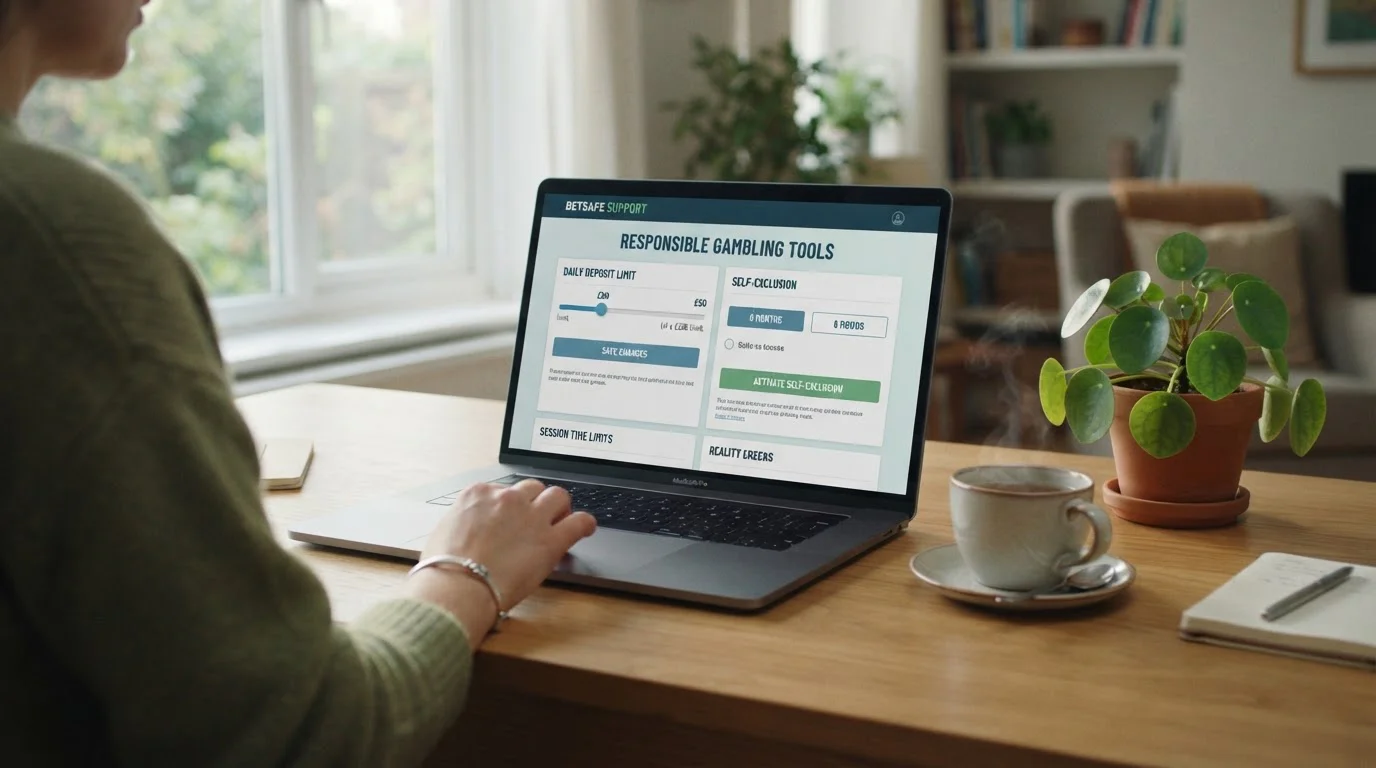
- Provide responsible gambling tools: Deposit limits, loss limits, session timers, reality checks, self-exclusion, and integration with GamStop (national self-exclusion scheme).
- Disclose terms clearly: Bonus terms, wagering requirements, withdrawal limits, and fees must be displayed prominently, not buried in fine print (tightened under January 2026 reforms).
- Submit to audits: Game fairness (RNG certification, RTP disclosure), financial audits, compliance reviews by the UKGC.
For low-deposit players, this matters because UKGC licensing ensures your £5 deposit is held in trust (not spent on casino operations), your personal data is protected under UK GDPR, and you have recourse if the casino breaches terms. Unlicensed casinos offer none of this.
How to Verify a Casino’s Licence
Every UKGC-licensed casino must display its licence number in the footer of its website. The licence number follows the format 000-XXXXXX-R-XXXXXX-XXX (e.g. 000-039264-R-319312-013). Copy the number and check it on the UKGC public register at gamblingcommission.gov.uk/public-register. Enter the licence number or operator name, and the register shows the licence status (active, suspended, revoked), the licensed entity’s legal name, the licence type (remote casino, remote betting, remote bingo, etc.), and the issue date.
If a casino doesn’t display a UKGC licence number, it’s either unlicensed (illegal for UK players) or operates under a non-UK licence (Curaçao, Malta, Gibraltar). Non-UK licences don’t meet UKGC standards and don’t qualify for UK legal protections. Avoid any site that cannot show a valid UKGC licence if you’re a UK resident.
GamStop and Self-Exclusion
GamStop is the UK’s national self-exclusion scheme. All UKGC-licensed casinos must participate. If you self-exclude via GamStop (gamstop.co.uk), you’re blocked from all participating sites for 6 months, 1 year, or 5 years, your choice. The block is cross-operator: sign up for GamStop, and you cannot register or deposit at any UKGC-licensed casino during the exclusion period.
Self-exclusion is binding and cannot be reversed early. If you request a 6-month block, you’re locked out for the full 6 months even if you change your mind. For players concerned about gambling behaviour, GamStop is the strongest tool available. It’s free, confidential, and covers the entire UK licensed market.
Casinos also offer site-level self-exclusion (block yourself from one operator without affecting others) and cooling-off periods (24 hours, 7 days, 30 days). These are weaker than GamStop but useful for short breaks.
The 2026 Regulatory Changes
UKGC rules effective 19 January 2026 reshaped UK casino bonuses and advertising:
- 10x wagering cap: All casino bonus wagering capped at 10 times the bonus amount. Pre-2026, 30x–50x was common. The cap makes bonuses more achievable but operators compensated by reducing bonus sizes.
- Ban on mixed-product incentives: Bonuses cannot require play across multiple products (e.g. “deposit in casino, wager in sportsbook”). Each product vertical must offer standalone bonuses.
- Transparent bonus advertising: Key terms (wagering, max withdrawal, game restrictions, expiry) must be displayed prominently, not buried in T&Cs. Pop-ups and banners must show wagering requirements upfront.
These reforms benefit players by removing predatory wagering terms and improving transparency, but they also reduced the size and frequency of bonuses as operators adjusted to lower profitability per promotion.
Why do some UK casinos say “no minimum deposit” but my £1 deposit doesn’t work?
Most casinos stating “no minimum deposit” enforce payment method minimums that override the casino policy. Debit card processors reject transactions under £1, PayPal and e-wallets enforce £5–£10 minimums due to merchant fees, and Paysafecard starts at £10. The casino has no formal floor, but the payment rail does. Additionally, some casinos set higher minimums on specific methods (e.g. £1 via bank transfer, £10 via card) even if the headline says “no minimum.” Check the cashier for method-specific limits before depositing.
Mobile Casino Access at Low Deposits
Every UK casino profiled supports mobile play, either via responsive browser sites or dedicated iOS/Android apps. Mobile deposit minimums match desktop: if a casino accepts £5 deposits on desktop, it accepts £5 on mobile. Payment methods supported on mobile typically include debit cards (via Apple Pay or Google Pay for one-tap), PayPal, Trustly, and e-wallets. Paysafecard and pay-by-mobile (Boku) also work on mobile where supported.
App availability: Gala, Betfair, Coral, Bet365, and Midnite offer dedicated apps downloadable from the App Store and Google Play. White-labels (Pub Casino, SlotGames, 7bet) typically rely on browser-optimised sites rather than standalone apps, which is fine for functionality but lacks the polish and offline features native apps provide. App ratings for major brands (Bet365, Betfair, Midnite) consistently sit above 4.5/5, indicating stable performance and positive user experience.
Browser-based mobile play works across all operators. Modern responsive design means slots, live casino, and account management function smoothly in Safari, Chrome, or Firefox on mobile. No app download required, though apps offer faster load times and streamlined navigation once installed. For low-deposit players, mobile is often the primary access point: deposit £5 on your phone during a commute, play a few spins, cash out if you win. The experience is frictionless on major brands.
Real Money Play: What to Expect from a £1–£5 Deposit
Expectations matter. A £5 deposit is not a bankroll; it’s a session. At £0.10–£0.20 per spin, £5 buys 25–50 spins. Variance determines outcomes: low-volatility slots might stretch that to 100 spins if small wins keep the balance topped up, while high-volatility slots could bust in 10 spins or hit a multiplier that builds it to £50. The math is simple: the smaller the deposit, the larger the role of luck over volume.
RTP (return to player) is the long-term average, not the per-session reality. A 96% RTP slot returns £96 for every £100 wagered over millions of spins. In your 50-spin session on a £5 deposit, you might see anything from £0 returned (total loss) to £50+ (200x multiplier hit). RTP smooths out over thousands of players and thousands of sessions, not in your single £5 attempt. Treat RTP as the house edge over time, not a prediction of your session outcome.
Win potential from £5: realistic upside is £10–£50 in a lucky session (2x–10x deposit). Rare multiplier hits on high-volatility slots can return £100–£500 (20x–100x), but probability is low. Life-changing wins (£10,000+) from a £5 deposit are statistically possible (progressive jackpots, 1,000x+ multipliers) but occur at rates measured in tens of thousands or hundreds of thousands of spins. Play £5 for entertainment with upside, not as a wealth-building strategy.
How to Choose the Right No Minimum Deposit Casino
Selection criteria for low-deposit casinos prioritise mechanics that matter at small stakes: payment method support, withdrawal minimums and fees, bonus activation thresholds, KYC speed, and operator trustworthiness. The largest game library or the flashiest welcome bonus means nothing if you can’t deposit £5 via your preferred method or can’t withdraw £12 without hitting a £10 floor and a £3 fee.
Payment method match: If you plan to deposit via PayPal, check which casinos accept PayPal at £5 (Gala, Midnite, Betfair, Coral, Bet365). If you use Trustly or bank transfer for true £1 deposits, verify the casino’s cashier supports it. Don’t assume; check the deposit page before registering.
Withdrawal minimum and fees: Confirm the withdrawal floor matches or is close to the deposit minimum. Gala, Midnite, Betfair, Coral, and Bet365 are clean on this: £5 deposits, £5–£10 withdrawals, no fees. Pub Casino, SlotGames, and 7bet have higher withdrawal floors or fees; factor that into your choice.
Bonus terms vs deposit size: If you’re depositing £5 to claim a welcome bonus, confirm the bonus activates at £5. Most require £10–£20. Coral’s 100-spins-for-£5 offer is the exception. Alternatively, target no-deposit bonuses (Betfred Prize Reel, Betfair’s 50 spins, SlotGames’ 5 spins) where deposit size is irrelevant.
KYC and payout speed: Fast operators (Midnite, Betfair, Bet365) clear KYC in 12–24 hours and process e-wallet withdrawals within hours. Slower white-labels take 48–96 hours for KYC and 1–7 days for withdrawals. If you win and want the money quickly, operator speed matters.
UKGC licence verification: Only play at UKGC-licensed casinos. Check the licence number in the footer against the public register. Offshore casinos (Curaçao, unlicensed) offer no UK legal protections and are a gamble with your deposit.
Game library and providers: If you have preferred slots or want live casino, check the provider list. Major brands (Gala, Betfair, Coral, Bet365) have 2,000–5,000+ games from all top providers. White-labels have 1,000–2,000 titles, still substantial but narrower. Midnite curates rather than chasing volume, which works if their selection matches your taste.
Brand trust: Household names (Bet365, Betfair, Coral, Gala) carry decades of operating history and public accountability. Newer independents (Midnite) and white-labels (Pub Casino, SlotGames, 7bet) are less familiar but still UKGC-licensed. Trust correlates with track record, not deposit size.
Non-GamStop Casinos: A Note on Legality
Non-GamStop casinos are offshore operators (typically licensed in Curaçao, Malta, or unlicensed) that do not participate in the UK’s GamStop self-exclusion scheme. They market to UK players who have self-excluded via GamStop and want to circumvent the block. These sites operate outside UK jurisdiction and do not hold UKGC licences.
Playing at non-GamStop casinos is legal for UK players (no law criminalises the player for using offshore sites), but the sites themselves operate illegally by offering gambling services to UK residents without a UKGC licence. Consumer protections don’t apply: no segregated player funds, no UKGC oversight, no recourse if the site withholds winnings or refuses withdrawal. Payment processing is often opaque, and disputes are resolved (or not) under foreign law in jurisdictions with weak regulatory enforcement.
For low-deposit players, the risk is existential: deposit £5 at an unlicensed site, win £50, and the site can refuse payout with no UK legal remedy. UKGC-licensed operators must honour withdrawals or face licence revocation; offshore sites face no such constraint. The appeal of non-GamStop casinos is bypassing self-exclusion or accessing bonuses not available under UKGC rules, but the trade-off is zero consumer protection.
This guide focuses exclusively on UKGC-licensed casinos. Non-GamStop sites fall outside the UK’s legal framework and are not recommended.
Making £1–£5 Deposits Work Without Hitting Walls
The UK’s no-minimum-deposit casino market in 2026 is less about literal zero minimums and more about finding operators that accept £1–£5 via payment methods you use, without punishing you with withdrawal floors, fees, or bonus thresholds that make the low deposit cosmetic. Ten UKGC-licensed operators (Gala, Midnite, Betfair, Coral, Pub Casino, Betfred, Bet365, 7bet, SlotGames, Mr Vegas) offer genuine low-entry paths, either through £5 deposit minimums, no-deposit bonus mechanisms, or payment methods that support micro-deposits.
The practical map for low-deposit players: Gala and Coral lead on value (£20 no-deposit bonus at Gala, 100 spins for £5 at Coral). Midnite and Betfair lead on speed (fast KYC, fast payouts, no-wagering bonuses). Betfred and Bet365 lead on daily no-deposit mechanics (Prize Reel, Prize Pinball). White-labels (Pub Casino, SlotGames, 7bet) offer access but with friction (slower withdrawals, fees, higher minimums on some methods).
Payment method reality: Trustly and bank transfer support true £1 deposits where integrated; debit cards and PayPal enforce £5–£10 minimums due to merchant fees; Paysafecard and pay-by-mobile start at £10. Withdrawal minimums often sit at £10 regardless of deposit size, creating a balance trap for £1–£5 sessions. Operators matching deposit and withdrawal minimums without fees (Gala, Midnite, Betfair, Coral, Bet365) are the cleanest for low-stakes play.
The January 2026 UKGC reforms (10x wagering cap, transparent bonus terms) made bonuses more achievable but smaller. Wager-free bonuses became more common as operators simplified offers to comply with advertising rules. No-deposit bonuses remain rare but valuable (Betfred’s daily Prize Reel, Betfair’s 50 spins, SlotGames’ 5 spins), offering zero-risk entry with capped upside.
Expectations: £5 is a session, not a bankroll. At £0.10–£0.20 per spin, you’re looking at 25–50 spins, with variance determining whether that busts quickly or builds to £50+. RTP is a long-term average, not a per-session predictor. Play low deposits for entertainment with upside, not wealth accumulation. KYC adds 24–72 hours to your first withdrawal, so plan accordingly.
The bottom line: “No minimum deposit casino UK” translates to “low minimum deposit casino UK” in 2026. True zero-minimum access is constrained by payment processors, not casino policy. The operators profiled offer the most accessible entry points in the UKGC-licensed market, with the clearest terms and the least friction. Verify the UKGC licence, match payment methods to your needs, check withdrawal minimums, and set realistic expectations for what £1–£5 delivers. The rest is variance.
Minimum Deposit Casinos UK 2026 — £1, £5 and £10 Options
Content created by the «casinomoneyg» team