
Casinos That Accept Klarna UK 2026: The Honest Picture on Pay Now, BNPL, and What Actually Works
 Available in US
Klarna arrived in UK gambling with the same promise it makes everywhere else: split the payment, play now, settle later. That pitch worked brilliantly for trainers and sofas. For casino deposits, it ran headfirst into a regulatory wall the UK Gambling Commission built in April 2020, and the wreckage has left most players confused about what actually works and what doesn’t.
The short version: Klarna’s “pay later” and “pay in 3” products — the ones you probably think of when you hear the name — are not accepted at UKGC-licensed casinos. They function as deferred payment, which the regulator treats as credit, and credit-based gambling funding has been prohibited since the 2020 credit card ban. What does work is Klarna’s instant bank transfer mode, branded as “pay now,” which moves money directly from your bank account in real time without any credit component. A handful of UK-licensed operators support it, and the list is smaller than the affiliate pages promising “top Klarna casinos” would have you believe.
This guide covers which operators accept Klarna pay now deposits as of 2026, how the payment process actually runs, why the UKGC drew the line where it did, and which alternative payment methods deliver the same speed and convenience without the regulatory complications. No fluff, no outdated lists scraped two years ago, no pretending that BNPL Klarna is just around the corner when it demonstrably isn’t.
Can You Use Klarna at UK Online Casinos in 2026?
Yes, but only in one specific form. Klarna’s instant bank transfer feature — known as “pay now” — is accepted at some UKGC-licensed casinos. It works like Trustly or any other Open Banking payment: you select Klarna at the cashier, log into your UK bank through Klarna’s interface, authorize a one-time transfer, and the funds land in your casino account within seconds. No credit, no deferral, no instalment plan.
Klarna’s “pay later” and “pay in 3” products, the ones that let you defer payment or split purchases into instalments, are not accepted. They’re blocked at the operator level, blocked by Klarna itself for gambling transactions, and incompatible with UKGC rules that prohibit gambling with borrowed money. This isn’t a grey area or a loophole waiting to be exploited — it’s settled regulatory policy that’s been in place since 2020 and shows no sign of changing.
The UKGC Credit Card Ban and BNPL Restrictions
On 14 April 2020, the UK Gambling Commission banned all credit card deposits for gambling, online and offline. The rationale was straightforward: gambling with money you don’t have multiplies the harm when the bet loses, and credit cards make it too easy to chase losses with borrowed funds. The ban covered not just credit cards themselves but also deposits made through intermediary services like e-wallets when those deposits were funded by credit.
BNPL products weren’t explicitly named in the 2020 ban because they weren’t yet widespread in the gambling context, but the Commission’s position became clear through subsequent guidance and enforcement. BNPL schemes let you spend money you haven’t paid yet, which makes them functionally equivalent to credit for regulatory purposes. Klarna’s “pay in 3” is a textbook example: you deposit £100 at a casino today, Klarna pays the casino immediately, and you repay Klarna in three instalments over 60 days. That’s deferred payment, and it’s exactly what the UKGC designed the credit card ban to prevent.
Operators know this, which is why most UK-licensed casinos simply don’t offer Klarna BNPL at checkout. The compliance risk isn’t worth the small slice of players who’d prefer to split their deposits into instalments. Klarna itself reinforces the restriction — its systems actively block gambling transactions routed through pay later and pay in 3 products. The company doesn’t want the regulatory heat, and UK operators don’t want the enforcement action that would follow if the UKGC found them facilitating credit-based gambling.
Klarna Pay Now vs Pay Later: What Actually Works
The confusion around Klarna at UK casinos comes down to branding. Klarna operates several products under the same name, and they behave completely differently from a regulatory standpoint.
Klarna Pay Later / Pay in 3 — these are BNPL products. You make a purchase, Klarna extends credit to cover it, and you repay Klarna later (either as a lump sum within 30 days or in three instalments over 60 days). The merchant gets paid immediately, you get the goods or services immediately, and the repayment obligation sits with Klarna until you settle. This is credit. It’s regulated by the Financial Conduct Authority as a consumer credit product, and it’s incompatible with UKGC rules. No UK-licensed casino accepts it, and Klarna blocks gambling transactions at the payment-processor level.
Klarna Pay Now — this is an instant bank transfer service built on Open Banking rails. You select Klarna at the casino cashier, Klarna redirects you to your bank’s login page, you authenticate and authorize a one-time transfer, and the money moves from your current account to the casino instantly. There’s no credit component, no deferral, no instalment plan. From the casino’s perspective, it’s a standard bank transfer that happens to route through Klarna’s interface. From the regulator’s perspective, it’s clean: you’re gambling with money you have, taken directly from your account in real time.
Pay now is what works at UK-licensed casinos. It’s also the mode that gets buried in Klarna’s consumer marketing, because the company built its brand on the BNPL promise, not on being a bank-transfer middleman. Players who’ve used Klarna to buy furniture or electronics assume the same “pay later” model applies to casinos, and then they’re surprised when it doesn’t appear as an option — or when it does appear but turns out to be the instant bank transfer variant they didn’t know existed.
Can I use Klarna at UK online casinos in 2026?
Yes, via Klarna’s “pay now” instant bank transfer mode at UKGC-licensed operators that support it. Around ten major UK casinos accept Klarna pay now deposits as of 2026, including Dream Vegas, Casimba, Playzee, Grosvenor, Gala, and JackpotJoy. The list is shorter than it was three years ago and unlikely to grow significantly while BNPL remains off-limits.
Why is Klarna pay later not accepted at UKGC-licensed casinos?
Because it functions as deferred payment (credit), and the UKGC banned credit-based gambling funding in April 2020. Klarna’s pay later and pay in 3 products let you gamble with money you haven’t paid yet, which is exactly what the credit card ban was designed to prevent. Klarna itself blocks gambling transactions through these products, and UK-licensed operators don’t offer them at checkout.
UK Casinos That Accept Klarna in 2026

The operators below are UKGC-licensed and support Klarna pay now deposits as of 2026. The list is drawn from current cashier availability, not from affiliate pages recycling three-year-old data. Every operator here holds an active UK Gambling Commission license, processes Klarna deposits via instant bank transfer (not BNPL), and meets the Commission’s standards for player protection, fund security, and dispute resolution.
| Operator | License | Withdrawal Speed | Minimum Deposit | Distinguishing Feature |
|---|---|---|---|---|
| Dream Vegas | UKGC 52894 (White Hat Gaming) | 24 hours (e-wallet) | £20 | No-wagering free spin winnings (cash, £100 cap) |
| Casimba | UKGC 52894 (White Hat Gaming) | 24 hours (e-wallet) | £20 | Dual casino + sportsbook (sportsbook added 2026) |
| Playzee | UKGC 52894 (White Hat Gaming) | 24 hours (e-wallet) | £20 | Loyalty points (Zee Points) in welcome offer |
| Grosvenor Casinos | UKGC-licensed (Rank Group) | 24 hours (e-wallet) | £5–£10 | Land-based + online integration (52 UK venues) |
| Gala Casino | UKGC-licensed (Entain) | 24 hours (e-wallet) | £5–£10 | Strong live casino (Evolution tables), high-street brand |
| JackpotJoy | UKGC-licensed (Bally’s) | 24 hours (e-wallet) | £10 | Slots + bingo focus, part of Gamesys Group |
| LeoVegas | UKGC-licensed (MGM Resorts) | Hours (e-wallet) | £10 | Mobile-first design, 60%+ mobile play |
| Casumo | UKGC-licensed (Kindred Group) | 24 hours (e-wallet) | £10 | Gamified progression (levels, trophies, rewards) |
| Mr Green | UKGC-licensed (Evoke) | 24 hours (e-wallet) | £10 | “Green Gaming” responsible gambling tools |
| Betway Casino | UKGC-licensed (Super Group) | 24 hours (e-wallet) | £10 | Large-scale operator, strong sportsbook integration |
Dream Vegas
Dream Vegas sits on White Hat Gaming’s platform, which runs over 40 whitelabel casino brands across multiple jurisdictions. The operator holds UKGC license 52894, issued in October 2018, and carries a clean enforcement record with no sanctions or suspensions on file. The game library pulls from major studios — Pragmatic Play, NetEnt, Evolution for live dealer — and covers the standard mix of slots, table games, and live casino without trying to reinvent the format.
The welcome structure is where Dream Vegas diverges from the pack. First deposit gets you 50 free spins on Big Bass Splash, conditional on depositing at least £20 and wagering £10 of that deposit on slots. The spins must be used within 72 hours, and winnings are capped at £100 — but here’s the catch that matters: those winnings are credited as cash, not bonus funds. That means no wagering requirement, no playthrough obligation, no “free” spins that lock your money behind a 35x rollover. The £100 cap is still there, but what you win up to that limit is yours to withdraw or play as you choose. The second deposit unlocks a 50% match up to £50 with a 10x wagering requirement, which is low enough to be achievable without grinding through your balance six times over.
Klarna pay now is listed in the cashier alongside debit cards, PayPal, and the usual e-wallet options. Minimum deposit sits at £20 across all methods. Withdrawals to e-wallets typically clear within 24 hours; debit card withdrawals take the longer route at 3–5 business days depending on your bank. The platform enforces the standard UKGC affordability checks, which means deposits above certain thresholds trigger source-of-funds requests, and persistent high spending will get you flagged for an account review.
Casimba
Casimba runs on the same White Hat Gaming infrastructure as Dream Vegas, which means the same license (UKGC 52894), the same clean enforcement history, and a near-identical game library. The operator launched as a casino-only site in 2017, then added a sportsbook in early 2026 to compete with the growing number of dual-purpose platforms that let players move between casino games and sports bets without switching accounts.
The welcome offer mirrors Dream Vegas structurally: 50 free spins on Big Bass Bonanza (first deposit, £20 minimum, £10 wagering requirement on slots) with winnings capped at £100 and credited as cash. The second deposit unlocks a 50% match up to £50 with 10x wagering. The no-wagering free spin winnings are the selling point here, same as Dream Vegas — what you win is genuinely withdrawable, not trapped behind a playthrough maze.
Casimba accepts Klarna pay now deposits with a £20 minimum. Withdrawal speeds are competitive: e-wallets within 24 hours, debit cards 3–5 days. The sportsbook addition in 2026 gives the platform a broader appeal for players who want to bet on football or racing alongside their slots sessions, but it doesn’t change the core casino experience. Game selection is deep (1,000+ slots, multiple live dealer tables), and the mobile site is well-optimized for smaller screens.
Playzee
Playzee is the third White Hat Gaming whitelabel on this list, which means you’re seeing a pattern: UKGC license 52894, October 2018, clean record. The platform distinguishes itself through a loyalty-points system called Zee Points, which are integrated into the welcome offer and ongoing promotions. New players get a 100% bonus match up to £25 plus 500 Zee Points on their first deposit. The bonus carries a 10x wagering requirement, and the maximum bonus bet is capped at £5, both of which are standard for the UK market.
Zee Points accumulate as you play and can be redeemed for rewards (free spins, bonus cash, prize draws). The system adds a gamification layer that some players find engaging and others find irrelevant, depending on whether you’re the type to track loyalty currency or ignore it entirely. The welcome bonus ceiling is lower than Dream Vegas and Casimba (£25 vs £50 on the second deposit), but the 10x wagering remains consistent across all three operators.
Playzee supports Klarna pay now deposits with a £20 minimum. Standard withdrawal times apply: 24 hours for e-wallets, 2–3 days for debit cards. The cashier accepts Visa, Mastercard, Skrill, Neteller, Apple Pay, and Google Pay alongside Klarna, giving you multiple routes in and out. Game selection covers slots, table games, live casino, and a bingo section that accounts for a small but loyal segment of the player base.
Grosvenor Casinos
Grosvenor brings a different pedigree to the table. The brand is part of Rank Group PLC, a FTSE-listed company that’s been operating land-based casinos in the UK since 1970. Grosvenor runs 52 physical casino venues across the country, and the online platform integrates with those land-based operations in ways that most digital-only operators can’t match. You can deposit cash at a Grosvenor venue and use those funds to play online, or you can play online and withdraw your winnings at a physical cashier. That dual-channel model is rare in the UK market and useful for players who want the flexibility to move between online and offline environments without maintaining separate balances.
The online platform itself is straightforward: slots, table games, live dealer options from Evolution, and a sportsbook. Minimum deposits start around £5–£10 depending on the payment method, which is lower than the £20 floor at the White Hat Gaming operators. Klarna pay now is supported through the flexible banking infrastructure that Grosvenor built to accommodate its hybrid model. Withdrawal speeds are competitive — e-wallets within 24 hours, debit cards 3–5 days — and the customer support team has a reputation for resolving payment issues without the runaround you sometimes get at less established sites.
Grosvenor’s welcome offers vary and tend to be more conservative than the headline-grabbing “£500 bonus” promotions you see elsewhere. The trade-off is that the wagering requirements attached are usually transparent and achievable, typically in the 20x–30x range rather than the punitive 50x+ that turns a bonus into a trap. The brand’s longevity and land-based presence give it credibility that purely digital operators have to earn over time, and that credibility translates into a user experience that prioritizes reliability over flash.
Gala Casino
Gala Casino carries the same high-street heritage as Grosvenor but under different ownership. The brand is part of Entain PLC (formerly GVC Holdings), a London Stock Exchange-listed company that also owns Ladbrokes, Coral, bwin, and partypoker. Gala’s UK presence stretches back decades, and the online platform reflects that institutional weight: UKGC-licensed, well-capitalized, with a customer support infrastructure that handles disputes and payment queries efficiently.
The live casino offering is where Gala distinguishes itself. The platform hosts multiple blackjack and roulette tables from Evolution, with table limits that span from £1 minimums for casual play to £5,000+ maximums for high-rollers. The variety means you’re not stuck at the same £5–£500 table every session; you can find a limit structure that matches your bankroll and risk tolerance. The slots library is comprehensive (1,000+ titles), and the table games section covers the standard mix of blackjack variants, roulette, baccarat, and a few poker variants.
Gala accepts Klarna pay now deposits with a minimum of £5–£10 depending on the method. Withdrawals to e-wallets typically clear within 24 hours; debit cards take the longer 3–5 day route. Welcome offers vary but generally sit in the 50%–100% deposit match range with 20x–30x wagering requirements, which is the industry median in the UK. The platform doesn’t have the lowest house edge on every game, but the overall package — brand recognition, payment reliability, live casino depth, UKGC compliance — puts it in the upper tier of UK operators.
JackpotJoy
JackpotJoy is part of the Gamesys Group, which was acquired by Bally’s Corporation (NYSE-listed) and now operates multiple UK-facing brands including Virgin Casino, Virgin Games, Heart Bingo, and Rainbow Riches Casino. The platform holds a UKGC license and focuses heavily on slots and bingo, with a community feel that differentiates it from the more corporate, sterile casino environments you find elsewhere.
The game library is deep — over 1,000 slots, bingo rooms with active player counts, and a respectable live casino section — but the emphasis is on slots and bingo rather than table games. Welcome offers are typically modest, in the £10–£50 bonus range with 20x–30x wagering requirements. That modesty is intentional: JackpotJoy doesn’t compete on headline bonus size; it competes on payout reliability and user experience. E-wallet withdrawals clear within 24 hours, debit card withdrawals take three working days, and the customer support team is responsive rather than scripted.
Klarna pay now is accepted with a £10 minimum deposit. The platform also supports PayPal, Visa, Mastercard, Skrill, and Neteller, giving you multiple options for moving money in and out. JackpotJoy’s strength is consistency — it won’t dazzle you with a £500 welcome bonus, but it won’t trap your winnings behind impossible wagering requirements either. The platform does what it says it will do, pays out when it’s supposed to, and stays within the UKGC’s regulatory boundaries without trying to exploit loopholes.
LeoVegas
LeoVegas built its reputation as a mobile-first casino, and the platform’s design reflects that priority. Over 60% of LeoVegas play happens on mobile devices, and the interface is optimized for smaller screens without sacrificing game variety or functionality. The operator holds a UKGC license and is now part of MGM Resorts International following a 2022 acquisition, which brought the brand under the umbrella of one of the largest casino operators in the world.
The game library is extensive: 2,000+ slots, a strong live casino offering, table games, and a sportsbook. Withdrawal speeds are a genuine strength — e-wallet payouts often clear within hours rather than the 24-hour standard you see elsewhere, and the platform’s automated KYC systems reduce the verification delays that plague slower operators. Welcome offers vary and tend to include deposit matches and free spins, with wagering requirements in the industry-standard 20x–35x range.
LeoVegas accepts Klarna pay now deposits, though availability can vary depending on your account status and region within the UK. The minimum deposit is typically £10. The mobile experience is the platform’s defining feature: if you play primarily on a phone or tablet, LeoVegas delivers a user experience that most competitors still haven’t matched. Desktop users get the same game library and payment options, but the platform’s DNA is mobile, and that’s where it excels.
Casumo
Casumo introduced a gamified casino experience when it launched in 2012, and the platform has refined that concept over the past decade. Players progress through levels, earn trophies, unlock rewards, and interact with the “adventure” layer that sits on top of the standard casino mechanics. Some players find the gamification engaging; others find it gimmicky. Either way, it’s a deliberate design choice that differentiates Casumo from competitors that present slots and table games as a flat catalogue without any progression framework.
The operator holds a UKGC license and is now part of Kindred Group following a 2024 acquisition. The game library is deep (2,000+ slots, live casino, table games), and the platform is mobile-optimized for players who prefer smaller screens. Welcome offers typically include deposit matches and free spins, with wagering requirements that sit in the 20x–35x range. Casumo’s appeal is the gamification layer: if you want a casino that feels like a game in itself rather than just a place to spin slots, Casumo delivers that.
Klarna pay now deposits are supported with a £10 minimum. Withdrawal speeds are competitive (e-wallet payouts within 24 hours, debit cards 3–5 days), and the customer support team is accessible through live chat and email. The platform’s gamification isn’t for everyone, but for players who engage with it, it adds a layer of progression and reward beyond simply winning or losing individual bets.
Mr Green
Mr Green is a Swedish-origin casino that operates in the UK under a UKGC license. The platform is now part of Evoke PLC (formerly 888 Holdings), which also owns William Hill and several other major UK gambling brands. Mr Green distinguishes itself through its “Green Gaming” responsible gambling framework, which uses predictive analytics to identify patterns of problematic play and intervene before they escalate into serious harm.
The Green Gaming tools track player behavior in real time and flag anomalies — sudden increases in deposit frequency, late-night sessions, chasing losses — that correlate with problem gambling. When the system detects a pattern, it triggers interventions: deposit limit reminders, cool-off suggestions, or mandatory breaks. This is more proactive than the standard UKGC-mandated responsible gambling tools, which rely on players to self-identify and request limits. Mr Green’s approach is algorithmic and preemptive, which makes it genuinely differentiated in a market where “responsible gambling” often means a link to BeGambleAware buried in the footer.
The game library covers slots, live casino, table games, and a sportsbook. Welcome offers vary and typically include deposit matches with 20x–35x wagering requirements. Mr Green accepts Klarna pay now deposits with a £10 minimum. E-wallet withdrawals clear within 24 hours, debit cards take 3–5 days. The platform’s responsible gambling framework is the key selling point: if you want a casino that treats problem gambling as something to prevent rather than profit from, Mr Green’s approach is the most developed in the UK market.
Betway Casino
Betway operates at scale. The platform is part of Super Group, a dual-listed company (NYSE) with a global presence and significant market share in the UK. Betway’s sportsbook is the more visible part of the brand — the company sponsors West Ham United and major esports organizations — but the casino section is fully developed, with slots, live dealer games, table games, and a game library that pulls from multiple major providers.
The platform’s strength is integration: players who want to place a football bet and then spin some slots without maintaining separate accounts or navigating between disjointed platforms get a seamless experience. Betway accepts Klarna pay now deposits, though the method isn’t always highlighted in the cashier interface — you may need to select “bank transfer” or “instant bank transfer” to see Klarna as an option. Minimum deposits are typically £10, and e-wallet withdrawals clear within 24 hours.
Betway’s scale gives it advantages in payment processing speed, customer support responsiveness, and game variety, but it also means the platform feels more corporate and less personalized than smaller operators. Welcome offers vary and tend to be structured as deposit matches with standard wagering requirements. The platform is UKGC-licensed, well-capitalized, and reliable in the boring ways that matter when you’re trusting an operator with your money.
Which UK casinos accept Klarna instant bank transfer deposits?
As of 2026, ten UKGC-licensed operators accept Klarna pay now (instant bank transfer) deposits: Dream Vegas, Casimba, Playzee, Grosvenor Casinos, Gala Casino, JackpotJoy, LeoVegas, Casumo, Mr Green, and Betway Casino. All hold active UK Gambling Commission licenses and process Klarna deposits as standard bank transfers, not BNPL.
How Klarna Casino Deposits and Withdrawals Work
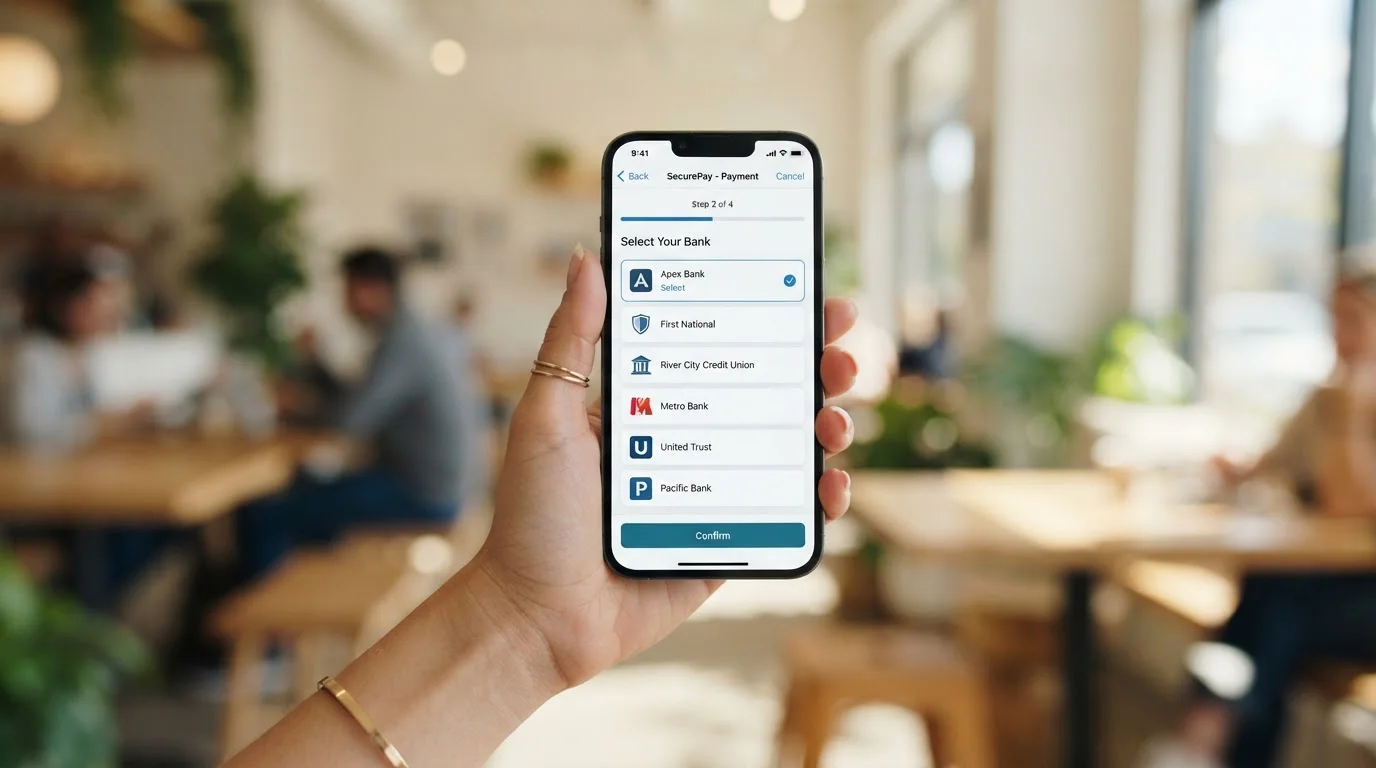
The mechanics of a Klarna pay now deposit are straightforward, but the process differs enough from a debit card transaction that it’s worth walking through step by step. Klarna sits between you and the casino, routing the payment through your bank via Open Banking rails. The casino sees a completed bank transfer; your bank sees a standard outgoing payment; Klarna handles the authentication and authorization in the middle.
Step-by-Step: Making a Klarna Deposit
You start in your casino account, opening the cashier or deposit page and selecting Klarna as the payment method. Some operators file it under “bank transfer” or “instant bank transfer” rather than giving it a separate line item, so if you don’t see Klarna by name, look under those categories. Enter your deposit amount next: minimums vary by operator, with £5–£20 the typical range, and single-transaction maximums often capped at £5,000–£10,000, though high rollers can usually request an increase through customer support.
The casino then hands off to Klarna, which presents a list of UK banks. Choose yours and you are redirected to your bank’s own login page — your actual bank’s interface, not a Klarna replica or third-party page. You authenticate there with your standard online banking credentials (username and password, sometimes with two-factor authentication), so your bank verifies your identity directly and Klarna never sees or stores those credentials. Your bank then shows the transfer details — the amount, the recipient (the casino or its payment processor), and confirmation that this is a one-time payment — and you authorize it, usually with a second step such as an SMS code, biometric or push notification. The transfer completes in seconds to two minutes: the casino credits your account and you are ready to play, with no deferral, no instalment plan and no credit check. The money leaves your bank account immediately, and the casino receives it immediately.
The entire process mirrors how Trustly or other Open Banking payment methods work. Klarna’s role is intermediary: it handles the technical integration between the casino and your bank, but it doesn’t extend credit or delay the payment. From a regulatory standpoint, this is a clean bank transfer, which is why UKGC-licensed operators accept it.
Withdrawal Options When You Used Klarna
Here’s where Klarna deposits get less convenient. Most UK casinos do not support Klarna as a withdrawal method. The Open Banking rails that enable instant deposits in one direction don’t automatically enable instant payouts in the reverse direction, and Klarna hasn’t built out the infrastructure to receive funds on behalf of players and route them back to their bank accounts. That means your withdrawal will go out through a different method, even if your deposit came in via Klarna.
Common withdrawal routes when you deposited with Klarna:
E-wallets (PayPal, Skrill, Neteller) — if your casino account is linked to an e-wallet, this is usually the fastest withdrawal route. Processing times are typically 24 hours for UKGC-licensed operators. You’ll need to verify the e-wallet account with the casino (usually by making a small deposit from the e-wallet first), but once that’s done, withdrawals are fast and reliable.
Debit card refund — some operators will process your withdrawal as a refund to the debit card linked to your account, even if your original deposit came via Klarna. This route takes longer (3–5 business days), and you may need to upload a photo of your debit card (front and back, with middle digits obscured) to verify ownership.
Bank transfer — the operator can send your winnings via standard bank transfer (BACS or Faster Payments). Processing times vary: Faster Payments can land the same day or next business day; BACS takes 3–5 days. You’ll need to provide your bank account details (sort code, account number, account name) and verify that the account belongs to you.
The key point: Klarna is a deposit method, not a full-loop payment solution at UK casinos. Budget for the fact that your withdrawal will take longer than your deposit, and make sure you have an e-wallet or verified debit card ready if you want to minimize payout delays.
Deposit Limits and Transaction Speeds
Minimum deposits — £5 to £20, depending on the operator. Grosvenor and Gala tend to sit at the lower end (£5–£10); Dream Vegas, Casimba, and Playzee set a £20 floor. Check the cashier before you commit, because depositing £15 at a site with a £20 minimum means your transaction will be declined.
Maximum deposits — typically £5,000 to £10,000 per transaction. Higher limits are available on request for players who pass affordability checks. UKGC rules require operators to monitor cumulative spending, so depositing £10,000 repeatedly over a short period will trigger source-of-funds requests and account reviews.
Deposit speed — instant. Klarna pay now transfers complete in seconds to two minutes. The limiting factor is your bank’s authentication flow, not Klarna or the casino.
Withdrawal speed — variable. E-wallets: 24 hours typical. Debit cards: 3–5 business days. Bank transfers: 1–5 days depending on the rail (Faster Payments vs BACS). Klarna itself is not typically a withdrawal option.
Fees — none from the casino’s side (UKGC rules prohibit operators from charging deposit or withdrawal fees). Klarna does not charge UK consumers for pay now instant bank transfers. Your bank may charge for outgoing payments if your account has transaction fees, but that’s bank-specific, not Klarna or casino-related.
How long do Klarna casino withdrawals take?
Klarna is rarely supported as a withdrawal method at UK casinos. Withdrawals typically go out via e-wallet (24 hours), debit card refund (3–5 days), or bank transfer (1–5 days depending on Faster Payments vs BACS). Check your operator’s cashier for available withdrawal methods before depositing.
What is the minimum deposit amount for Klarna at UK casinos?
Minimum deposits via Klarna pay now range from £5 to £20, depending on the operator. Grosvenor and Gala accept £5–£10 minimums; Dream Vegas, Casimba, and Playzee set a £20 floor. Check the casino’s cashier page for the exact limit before attempting a deposit.
The Regulatory Picture: Why Most UK Casinos Dropped Klarna

The story of Klarna and UK gambling is a case study in how regulatory frameworks built for one purpose (consumer credit oversight) intersect with rules built for another (gambling harm reduction), and how that intersection can shut down a payment method almost overnight without anyone explicitly banning it by name.
The April 2020 Credit Card Ban
On 14 April 2020, the UK Gambling Commission implemented a ban on credit card deposits for all gambling activities, online and offline. The rule change came after a multi-year review of online gambling and a specific consultation on credit-based gambling funding, both of which identified a clear causal link between credit card use and problem gambling. The data showed that problem gamblers were disproportionately likely to use credit cards to fund their play, and that the ease of using credit to chase losses amplified harm when players spiraled into debt.
The ban itself is simple: licensed operators cannot accept credit cards as a deposit method, and they cannot accept deposits made through intermediary services (like e-wallets) when those deposits are funded by credit. The Commission’s stated aim was to prevent gambling with money players don’t have, which is precisely what credit cards enable. The ban applied to remote (online) and non-remote (land-based) gambling, with one narrow exception for non-remote lotteries, which were carved out for practical reasons related to how lottery tickets are sold at retail.
How BNPL Products Are Treated Under UKGC Rules
BNPL products weren’t explicitly mentioned in the April 2020 ban, because they weren’t yet widespread in the gambling context. Klarna’s UK presence at that point was primarily retail-focused (fashion, electronics, furniture), and the idea of routing BNPL payments into casino accounts hadn’t yet gained traction among players or operators. But the Commission’s regulatory position became clear through subsequent guidance: BNPL schemes that allow players to defer payment or split purchases into instalments are functionally equivalent to credit for gambling purposes, and they fall under the same prohibition.
The logic is straightforward. Klarna’s “pay in 3” lets you deposit £100 at a casino today, Klarna pays the casino immediately, and you repay Klarna in three instalments over 60 days. That’s deferred payment. You gambled with £100 you hadn’t paid yet. The fact that Klarna extends the credit rather than Barclays or Lloyds doesn’t change the regulatory outcome: you’re gambling with borrowed money, which is exactly what the credit card ban was designed to prevent.
Operators internalized this quickly. No UK-licensed casino wants to be the test case that gets hauled in front of the Commission for facilitating BNPL gambling deposits, and Klarna itself has no interest in the regulatory heat. The company actively blocks gambling transactions routed through its pay later and pay in 3 products. The payment fails at Klarna’s end before it ever reaches the casino, which means players can’t even attempt to use BNPL for gambling, regardless of whether the operator would accept it.
FCA Oversight and Affordability Checks
Klarna is regulated by the Financial Conduct Authority as a payment service provider, and in 2024, the FCA brought BNPL products under its regulatory perimeter. Previously, BNPL schemes operated in a grey zone: they were consumer credit products in function but not formally regulated as such, which meant they avoided the affordability checks and disclosure requirements that applied to traditional credit cards and personal loans. The 2024 rule change ended that exemption.
Under the new FCA framework, BNPL providers must assess affordability before extending credit, disclose the terms of deferral clearly (including what happens if you miss a payment), and maintain standards for handling complaints and disputes. For Klarna, that means stricter checks on who can use pay later and pay in 3, and clearer communication that these products are credit, not “free money now, pay later.”
The FCA’s tightening of BNPL oversight aligns with the UKGC’s prohibition on credit-based gambling funding, creating a two-sided regulatory squeeze. Even if Klarna wanted to allow gambling transactions through its BNPL products, the FCA’s affordability requirements would make it operationally difficult (every gambling deposit would trigger a credit assessment), and the UKGC’s rules would make it non-compliant for operators to accept the payments. The result is a de facto ban that doesn’t need to be explicitly written as “Klarna BNPL is prohibited” because the regulatory frameworks on both sides make it unworkable.
What is the difference between Klarna pay now and Klarna pay later?
Klarna pay now is an instant bank transfer: funds move directly from your bank account to the casino in real time, with no credit or deferral. Klarna pay later and pay in 3 are BNPL products: Klarna extends credit to cover the payment, and you repay Klarna later in instalments. Pay now is accepted at UK casinos; pay later and pay in 3 are blocked by Klarna and prohibited by UKGC rules.
Best Alternatives to Klarna for UK Casino Deposits
If Klarna pay now isn’t available at your chosen operator, or if you want a payment method with better withdrawal support, the alternatives below deliver similar speed and convenience without the regulatory complications that plague BNPL.
| Payment Method | Deposit Speed | Withdrawal Speed | Fees (UK Players) | Acceptance at UK Casinos |
|---|---|---|---|---|
| Klarna Pay Now | Instant | Not typically supported | None | ~10 operators |
| PayPal | Instant | 24–48 hours | None | Widespread (~60 operators) |
| Trustly | Instant | 1–3 days | None | Widespread (~60 operators) |
| Skrill | Instant | 24 hours | None | Widespread (~60 operators) |
| Neteller | Instant | 24 hours | None | Widespread (~60 operators) |
| Debit Cards (Visa/Mastercard) | Instant | 3–5 days | None | Universal |
| Apple Pay / Google Pay | Instant | Varies (often card refund) | None | Growing (~40 operators) |
PayPal
PayPal is the most widely accepted alternative to Klarna at UK casinos, and it offers one major advantage Klarna doesn’t: two-way payment support. You can deposit via PayPal and withdraw back to the same PayPal account, which keeps your money flow in one place and avoids the friction of routing withdrawals through a different method.
Deposits are instant. Withdrawals typically clear within 24–48 hours for UKGC-licensed operators, though some sites process them faster. PayPal doesn’t charge UK consumers for gambling transactions, and UKGC rules prohibit operators from charging deposit or withdrawal fees, so the entire loop is fee-free. The platform also offers buyer protection, which gives you a dispute resolution mechanism if a transaction goes wrong (though PayPal’s protection terms explicitly exclude gambling transactions, so this is a weaker safety net than it appears).
PayPal is accepted at roughly 60 UKGC-licensed operators, which makes it the most universally available e-wallet in the UK market. The trade-off is that some operators exclude PayPal deposits from welcome bonus eligibility — if you deposit with PayPal, you may find that you don’t qualify for the advertised free spins or deposit match. Check the bonus terms before depositing if the welcome offer is part of your decision.
Trustly
Trustly operates on the same Open Banking rails as Klarna pay now, which means it functions identically from a technical standpoint: you select Trustly at the casino cashier, log into your bank through Trustly’s interface, authorize a one-time transfer, and the funds land in your casino account instantly. The difference is branding and market positioning. Trustly presents itself purely as a bank-transfer intermediary, not as a BNPL provider with a side business in instant payments, which means it doesn’t carry the regulatory baggage Klarna does.
Trustly is widely accepted at UK casinos (roughly 60 operators), and unlike Klarna, it supports withdrawals at many sites. Withdrawals via Trustly typically take 1–3 business days, which is slower than e-wallet payouts but faster than debit card refunds. No fees for UK players, and no credit component, so it’s fully compliant with UKGC rules.
The user experience is nearly identical to Klarna pay now: instant deposits, Open Banking authentication, no Trustly account required. If Klarna isn’t available at your chosen operator and you want the same instant bank transfer flow, Trustly is the closest substitute.
Skrill and Neteller
Skrill and Neteller are e-wallets owned by the same parent company (Paysafe), and they function almost identically in practice. You fund your e-wallet via bank transfer or debit card, then use the e-wallet balance to make instant casino deposits. Withdrawals go back to your e-wallet and typically clear within 24 hours for UKGC-licensed operators, after which you can withdraw from your e-wallet to your bank account.
The advantage of e-wallets is speed: deposits are instant, withdrawals are fast, and once your e-wallet is set up, you never need to enter your bank details or debit card information at a casino again. The downside is that many operators exclude Skrill and Neteller deposits from welcome bonus eligibility. The reason is historical: before the 2020 credit card ban, some players would fund their e-wallets with credit cards and then use the e-wallet to deposit at casinos, effectively circumventing the operators’ attempts to block credit-based gambling. Operators responded by excluding e-wallet deposits from bonuses, and that exclusion persists even though the credit card ban closed the loophole.
Both Skrill and Neteller are widely accepted (~60 UKGC-licensed operators each), and neither charges UK consumers for gambling transactions. If you’re depositing specifically to claim a welcome bonus, check the bonus terms before choosing Skrill or Neteller, because there’s a decent chance those methods are excluded.
Debit Cards
Visa and Mastercard debit cards are universally accepted at UK casinos. Every UKGC-licensed operator supports them, and they work exactly as you’d expect: enter your card details at the cashier, authorize the payment, and the funds land in your casino account instantly. Withdrawals are processed as card refunds and take 3–5 business days depending on your bank.
The trade-off is verification friction. Most operators require you to upload a photo of your debit card (front and back, with the middle digits obscured) before they’ll process your first withdrawal. This is a UKGC anti-money-laundering requirement, and it applies to all card transactions, not just debit. The verification step adds a delay the first time you withdraw, but once your card is verified, subsequent withdrawals go through without additional checks.
Debit cards are the default payment method for UK players who don’t want to set up an e-wallet or navigate Open Banking flows. They’re slow on the withdrawal side, but they’re reliable, universally accepted, and carry no fees.
Apple Pay and Google Pay
Apple Pay and Google Pay are growing in acceptance at UK casinos (~40 operators support one or both as of 2026), and they offer a streamlined mobile deposit experience. You select Apple Pay or Google Pay at the cashier, authenticate with Face ID or fingerprint, and the payment processes instantly via the debit card linked to your mobile wallet.
Withdrawals are less consistent. Some operators process Apple Pay and Google Pay withdrawals as card refunds (3–5 days); others don’t support withdrawals via these methods at all and require you to use a bank transfer or e-wallet instead. Check your operator’s withdrawal options before depositing if payout speed matters to you.
Apple Pay and Google Pay are best for players who deposit primarily on mobile devices and want a frictionless deposit flow. The trade-off is limited withdrawal support and the fact that not every operator has implemented these methods yet.
What are the best alternatives to Klarna for UK casino deposits?
PayPal, Trustly, Skrill, Neteller, and debit cards (Visa/Mastercard) offer similar speed and convenience to Klarna. PayPal and Trustly provide instant deposits and relatively fast withdrawals (24–48 hours for PayPal, 1–3 days for Trustly). Skrill and Neteller offer instant deposits and 24-hour withdrawals but may be excluded from welcome bonuses. Debit cards are universally accepted but slower on withdrawals (3–5 days).
How does Klarna compare to PayPal for casino payments?
Both offer instant deposits. PayPal supports withdrawals (24–48 hours typical) at most UK casinos; Klarna does not. PayPal is accepted at roughly 60 UKGC-licensed operators; Klarna pay now is accepted at around 10. Neither charges fees for UK players. PayPal is the more versatile choice for two-way payment flow.
Bonuses and Promotions at Klarna Casinos
Klarna deposits are treated identically to debit card or bank transfer deposits for bonus eligibility purposes. If the operator offers a welcome bonus, and you deposit via Klarna pay now, you qualify for the bonus under the same terms as any other deposit method. There’s no Klarna-specific exclusion, and there’s no bonus boost for using Klarna instead of something else. The method is neutral.
The exclusions you need to watch for are e-wallet exclusions. Some operators exclude Skrill and Neteller deposits from welcome bonus eligibility, as mentioned earlier. Klarna pay now doesn’t fall into that exclusion because it’s categorized as a bank transfer, not an e-wallet, even though it routes through Klarna’s payment interface. If you’re depositing specifically to claim a bonus, read the bonus terms to confirm that your chosen payment method qualifies, but in practice, Klarna pay now should be fine at any operator that accepts it.
Standard welcome bonus structures at the operators listed above include:
Dream Vegas and Casimba — 50 free spins on first deposit (requires £20 deposit + £10 wagered on slots), winnings capped at £100 and credited as cash (no wagering), plus 50% match up to £50 on second deposit with 10x wagering.
Playzee — 100% bonus match up to £25 plus 500 Zee Points on first deposit, 10x wagering, £5 maximum bonus bet, bonus expires in 7 days.
Grosvenor, Gala, JackpotJoy — welcome offers vary and tend to be structured as deposit matches (50%–100%) with 20x–30x wagering requirements. Specifics change periodically, so check the operator’s promotions page for current terms.
The wagering requirement is the key figure to watch. A 10x requirement means you must wager ten times the bonus amount before you can withdraw bonus-derived winnings. A 35x requirement means you’re unlikely to complete the playthrough unless you’re betting at higher stakes or hitting a lucky streak early. Dream Vegas and Casimba’s no-wagering free spin winnings (capped at £100 but credited as cash) are the standout offer in this group, because what you win is genuinely withdrawable without playthrough obligations.
Can I claim casino bonuses when depositing with Klarna?
Yes. Klarna pay now deposits qualify for welcome bonuses and promotions under the same terms as debit card or bank transfer deposits. Klarna is not subject to the e-wallet exclusions that sometimes apply to Skrill and Neteller. Check the operator’s bonus terms to confirm deposit method eligibility, but Klarna pay now is generally treated as bonus-eligible.
Safety, Licensing, and Offshore Casinos
Every operator listed in this guide holds an active UK Gambling Commission license, which means they meet the Commission’s standards for player protection, fund security, responsible gambling tools, and dispute resolution. That licensing framework is the difference between gambling at a site that will pay you when you win and gambling at a site that might vanish with your deposit.
Why UKGC Licensing Matters
A UKGC license is not decorative. It’s an enforceable legal framework that gives you tangible protections:
Segregated funds — licensed operators must keep player funds in separate accounts from operating capital, which means your deposits are protected if the operator goes bust. You’re not an unsecured creditor waiting in line behind the landlord and the software provider; your money is ring-fenced.
Dispute resolution — if you have a dispute with a UKGC-licensed operator (a withdrawal that didn’t arrive, a bonus that wasn’t credited, a game that didn’t pay out correctly), you can escalate to the Independent Betting Adjudication Service (IBAS) or the Alternative Dispute Resolution (ADR) service the operator is registered with. The decision is binding on the operator, and the UKGC enforces compliance.
Responsible gambling tools — licensed operators must offer deposit limits, loss limits, time-outs, and self-exclusion options. They must also integrate with GAMSTOP, the UK’s national self-exclusion scheme, which means a player who self-excludes through GAMSTOP is blocked from all UKGC-licensed sites automatically.
Advertising standards — operators must comply with the UK’s gambling advertising rules, which prohibit targeting minors, making false claims about winning odds, and exploiting vulnerable players. Violations can result in fines, license suspensions, or license revocations.
Enforcement — the UKGC has the power to audit operators, impose sanctions, levy fines, and revoke licenses. Recent enforcement actions have included multi-million-pound fines for AML failures, inadequate customer due diligence, and failures to protect problem gamblers. The Commission doesn’t just write rules; it enforces them.
The Offshore Trap
Some offshore casinos — typically licensed in Curaçao, Malta (MGA), or other non-UK jurisdictions — still advertise Klarna BNPL deposits. These sites operate legally in their own licensing jurisdictions but are not authorized to target UK customers under the Gambling Act. Using them exposes you to risks that UKGC-licensed operators eliminate:
No UKGC protections — your funds aren’t segregated under UK law, you have no access to UK dispute resolution, and if the site closes or refuses to pay out, you have limited recourse. You can complain to the site’s licensing jurisdiction, but enforcement is weak, and cross-border disputes rarely resolve in the player’s favor.
Payment processing issues — offshore sites that accept UK players often route payments through third-party processors to avoid banking restrictions, which means your transaction may be coded as something other than gambling (e.g., “general merchandise” or “software purchase”). That creates problems if you need to dispute a charge or trace a missing deposit.
No GAMSTOP integration — if you’ve self-excluded through GAMSTOP, offshore sites aren’t required to honor that exclusion. You can open an account, deposit, and play, even though you’ve explicitly requested to be blocked from UK gambling sites.
Legal grey zone — it’s not illegal for UK players to gamble at offshore sites, but it is illegal for those sites to actively market to UK customers without a UKGC license. The operators know this, which is why many offshore sites accept UK players but don’t advertise in the UK or hold UK bank accounts. The legal grey zone doesn’t protect you if something goes wrong; it just makes it harder to resolve.
The temptation to use offshore sites comes down to BNPL availability and bonus generosity. Offshore operators can offer Klarna BNPL because they’re not bound by UKGC rules, and they often advertise welcome bonuses that make UK-licensed operators look stingy by comparison. The trade-off is that you’re giving up every protection the UK licensing framework provides, and you’re doing it for the convenience of splitting your deposit into instalments. That’s a bad trade.
Is it safe to use Klarna at online casinos?
Yes, if you’re using Klarna pay now at a UKGC-licensed operator. Klarna pay now is an instant bank transfer with no credit component, and every operator listed in this guide holds an active UK Gambling Commission license. Do not use Klarna BNPL at offshore casinos — those sites are not UKGC-licensed, and you lose the consumer protections that UK licensing provides.
Mobile Casinos and Game Selection

Every operator listed in this guide offers a mobile-optimized platform, either as a dedicated app (iOS and Android) or as a responsive website that adapts to smaller screens. Mobile play accounts for over 60% of UK casino sessions as of 2026, and operators have invested heavily in ensuring that the mobile experience matches or exceeds desktop functionality.
Klarna pay now works on mobile devices without friction. The authentication flow — selecting Klarna at the cashier, redirecting to your bank, logging in, authorizing the transfer — is designed for mobile-first use, and most players complete deposits on phones or tablets without needing to switch to a desktop. The Open Banking interface scales well to smaller screens, and biometric authentication (Face ID, fingerprint) makes the login step faster than typing credentials on a keyboard.
Game selection on mobile mirrors desktop. Slots, live dealer tables, table games, and bingo are all available through mobile browsers or apps, with the caveat that some older slots (pre-2018 releases that weren’t built with mobile in mind) may not be available on smaller screens. The vast majority of new releases from major providers (Pragmatic Play, NetEnt, Evolution, Play’n GO) are mobile-first, and live dealer games stream to mobile devices without quality loss if your connection is stable.
LeoVegas and Casumo are the standout mobile-first operators in this group. LeoVegas built its brand on mobile optimization, and the platform’s interface, game selection, and payment processing are all designed to work best on phones and tablets. Casumo’s gamification layer (progression, trophies, rewards) is also mobile-native, and the platform’s user experience is smoother on mobile than desktop. If you play primarily on a phone, those two operators deliver the best experience.
Dream Vegas, Casimba, and Playzee run on White Hat Gaming’s platform, which is mobile-optimized but not mobile-first. The game libraries are extensive (1,000+ slots), and the mobile sites are functional, but the interface feels like a desktop site adapted for smaller screens rather than a mobile experience built from the ground up. That’s not a dealbreaker, but it’s noticeable if you’re comparing it to LeoVegas or Casumo.
Grosvenor, Gala, JackpotJoy, Mr Green, and Betway all offer dedicated mobile apps alongside responsive mobile sites. The apps provide slightly faster load times and smoother navigation, but the game selection and payment options are identical to the mobile browser experience. If you prefer apps over mobile web, those operators support both; if you don’t want to install another app, the mobile sites work fine.
Game selection at these operators spans:
Slots — 1,000 to 2,000+ titles depending on the operator, drawn from major providers (Pragmatic Play, NetEnt, Play’n GO, Microgaming, Yggdrasil, Big Time Gaming, Red Tiger). Themes range from classic fruit machines to licensed IPs (Narcos, Vikings, Game of Thrones) to high-volatility Megaways and cluster-pays mechanics. RTP (return to player) percentages are disclosed for most slots and typically sit in the 94%–97% range.
Live dealer — multiple blackjack, roulette, and baccarat tables from Evolution, the dominant live casino provider in the UK market. Table limits span from £1 minimums (for casual play) to £5,000+ maximums (for high-rollers). Some operators also offer game-show-style live games (Crazy Time, Monopoly Live, Dream Catcher) that blend slots mechanics with live-streamed hosting.
Table games — RNG (random number generator) versions of blackjack, roulette, baccarat, and poker variants. These are faster than live dealer games (no waiting for other players, no real-time streaming delay) and useful if you want to play at higher speeds or lower stakes than the live tables offer.
Bingo — JackpotJoy and Playzee offer dedicated bingo rooms with scheduled games and progressive jackpots. The other operators on this list either don’t offer bingo or treat it as a minor adjunct to the slots library.
Game variety is deep enough that you’re unlikely to exhaust the catalog unless you’re playing daily for months. The limiting factor is usually not game selection but payout volatility and house edge, both of which are disclosed (RTP percentages are listed for slots, and table game rules determine house edge) but often ignored by players chasing the headline bonus or the flashiest slot title.
Casino Deposit Methods UK 2026 — Cards, E-Wallets & More
Content created by the «casinomoneyg» team