
Casinos that accept Ripple XRP from the UK: the honest 2026 rundown
 Available in US
A British player searching for an XRP casino runs into two problems within about thirty seconds. The first is that half the “UK XRP casino” lists are padded with bet365, 888 and Sky Vegas, none of which can process a single drop of XRP. The second is that the sites which genuinely do take XRP are all licensed somewhere you have probably never heard of, several thousand miles from the Gambling Commission’s reach.
Both of those facts matter more than any ranking. So they come first, then the names.
Can you still use XRP at casinos from the UK?
Yes. XRP deposits work at dozens of casino sites that accept UK players in 2026, settle in seconds, and cost a fraction of a penny in network fees. Not one of those sites holds a UK Gambling Commission licence, because no UKGC licensee is permitted to accept cryptocurrency at all.
That second sentence is the whole story, and almost nobody says it plainly.
What happened to XRP gambling sites
Nothing happened to them. The XRP Ledger has processed payments continuously since 2012 and has never been switched off, paused, or wound down. Ripple, the company most associated with it, has since secured a preliminary MiCA CASP licence covering payments services across the European Economic Area — regulatory expansion, not retreat.
The belief that XRP “closed” is worth unpicking, because a surprising number of searches assume it. Two things feed it. One is the long-running SEC litigation in the United States, which dominated XRP headlines for years and left a general impression of legal trouble. The other is closer to home: UK exchanges have periodically delisted or restricted crypto assets, and the FCA’s financial promotions regime put hard limits on how crypto can be marketed to British consumers. Neither of those removed XRP from a single casino cashier. A coin’s presence in a gambling site’s payment menu is a commercial decision made by that operator, not a function of what any regulator did to the token.
If anything the count has gone up. One of the larger comparison sites now rates twenty-nine separate XRP-accepting brands, a figure that would have been implausible three years ago.
Why UK search results are misleading
Here is where it gets irritating. Search for XRP casinos with a UK qualifier and you will get pages that mix genuine crypto operators with UKGC-licensed household names, as though they belonged in the same list. They do not. A site holding a Gambling Commission licence cannot take an on-chain crypto deposit, so including it on an XRP list is either carelessness or deliberate padding to make a thin page look authoritative.
Two of the better-informed comparison sites in this space call out the practice explicitly, which tells you how widespread it has become. And one large affiliate’s dedicated UK Ripple page currently returns an empty result set when you apply its own XRP filter — a page about UK XRP casinos that lists no XRP casinos. The listings industry is not covering itself in glory here.
The practical consequence for you: treat every list, including this one, as a starting point for your own verification rather than a verdict. The three checks that actually settle it take under a minute per site, and they come up further down.
Can you deposit with XRP at a UK casino?
At a UK-licensed casino, no — Gambling Commission rules do not permit crypto deposits, and that applies to every licensee without exception. At offshore sites that accept British players, yes. Deposits typically clear in under ten seconds, and most of the twelve operators below set a floor between roughly three and five XRP.

Casinos that accept Ripple XRP in the UK — the 2026 shortlist
Twelve sites, all verified as carrying XRP in the cashier rather than merely mentioning it in marketing copy. The ordering reflects how well each handles XRP specifically — not game count, not bonus size, not how much they pay affiliates.
| Site | Licence | Launched | Min XRP deposit | Min XRP withdrawal | Payout speed | Distinguishing feature |
|---|---|---|---|---|---|---|
| Stake | Curaçao OGL/2024/1451/0918 | 2017 | No stated minimum | 1 XRP | 0–2 days | XRP named in its own withdrawal terms, no XRP withdrawal cap |
| Cloudbet | Curaçao Gaming Authority | 2013 | Published per-coin table | Published per-coin table | 0–2 days | Full per-coin, per-network fee and minimum table published |
| Jack.com | Curaçao (CGA register) | 2022 | No stated minimum | 3 XRP | 10–12 minutes | Fastest verified payouts with the lowest practical exit floor |
| Thrill | Anjouan ALSI-202506019-FI1 | August 2025 | No stated minimum | Per-coin fee applies | Instant | Destination-tag requirement on record; zero-wagering rakeback instead of a bonus |
| BitStarz | Curaçao OGL/2024/165/0185 | April 2014 | No stated minimum | Not published in XRP | ~10 minutes | Twelve unbroken years, no licence surrender, no insolvency event |
| Bets.io | Anjouan | 2021 | 5 XRP | 10 XRP | 0–2 days | Lowest documented XRP entry point of the twelve |
| Wild.io | Anjouan ALSI-202504044-FI2 | 2022 | 3.5 XRP | 5.7 XRP | Minutes once approved | Widest usable range: ~£3.85 floor to a 370,933 XRP ceiling |
| Rainbet | Anjouan ALSI-152406029-FI2 | 2023 | $10 equivalent | Not published in XRP | Under 15 minutes claimed | No deposit or withdrawal fees on any of 20+ coins |
| Betpanda | None published | August 2023 | No stated minimum | 20 XRP | Instant | No KYC at registration — and no licence to check either |
| Dexsport | Anjouan | 2022 | ~$1 equivalent | Not published in XRP | Instant claimed | Wallet-connect entry, no account creation, no documents |
| BC.Game | Anjouan | 2017 | $5 equivalent | Not published in XRP | Up to 24 hours | Broadest coin list and rewards programme; worst documented trust record |
| mBit Casino | Curaçao | 2014 | No stated minimum | Not published in XRP | ~10 minutes, fee-free | Twelve-year operator with terms no better than a brand a tenth its age |
Where a cell says a figure is not published in XRP, that is the finding, not a gap in the research. Several of these cashiers accept XRP but denominate their withdrawal minimum in dollars or in another coin, which matters for reasons covered in the withdrawals section.
Stake
Operated by Medium Rare N.V. under Curaçao Gaming Authority licence OGL/2024/1451/0918, published on the operator’s own licences page and verifiable on the regulator’s register. Launched in 2017, it is among the highest-volume crypto gambling brands in the world, with around 6,000 games drawn from 73 providers plus a full sportsbook and a set of in-house Originals. The multi-coin wallet settles balances without forcing everything into a single house currency, which is less common than it sounds.
The reason Stake tops this particular list has nothing to do with its size. XRP appears in Stake’s own published withdrawal terms rather than only on a marketing coin list — the strongest confirmation available short of testing a cashout yourself. There is no stated XRP withdrawal limit and no win cap; the help centre confirms the full available balance can be withdrawn, with the per-currency minimum displayed live at the foot of the withdrawal screen. Against that, read terms 8.5 and 8.10 before depositing: one full round of deposit turnover is required before any withdrawal, which is a meaningful constraint if you were planning to deposit, play two hands and leave. Term 10.5 permits the operator to change a slot’s house edge without notice, which is the sort of clause that makes seasoned players read the rest of the document carefully. Level 2 identity verification is needed for the welcome offer — 200% up to $2,000 at 40x — and payouts are quoted at nought to two days rather than the instant settlement some rivals advertise.
Cloudbet
Halcyon Super Holdings B.V., Curaçao company number 148526, registered at Abraham Mendez Chumaceiro Boulevard 03 in Willemstad, licensed by the Curaçao Gaming Authority under the island’s post-2024 direct-licensing regime. Live since 2013, which makes it one of the two or three oldest continuously operating crypto books anywhere. The library is comparatively small at roughly 2,850 games, but the table limits run high and the sportsbook is serious rather than decorative. XRP runs on Ripple Mainnet, with no alternative network to choose wrongly.
What earns Cloudbet second place is the least glamorous thing about it: the operator publishes a complete per-coin, per-network fee and minimum table instead of describing its charges in vague prose. For anyone trying to work out what a round trip actually costs — and that calculation comes later — this single document is more useful than every “fees under a cent” claim in the sector combined. There is no withdrawal ceiling once verification completes, and the welcome offer is up to 2,500 USDT at a genuinely low 1x. One date to diarise: fiat funding ends on 31 August 2026, after which the site is crypto-only. If you were treating Cloudbet as a hedge with a GBP fallback, that fallback is closing.
Jack.com
Launched in 2022 as Jackbit and rebranded to Jack.com in 2026 under the same Curaçao licence, independently confirmed against the Curaçao Gaming Authority’s own certificate registry. Worth noting that the operating entity is reported inconsistently across sources — Data Link Digital B.V. in some places, Ryker B.V. in others. That is not a scandal, companies restructure. It is a good argument for checking the regulator’s register rather than trusting a website footer, a point that applies to more than one brand here. Between 9,000 and 10,400 games depending on who is counting and when, eighteen supported coins including Monero, and an account live roughly thirty seconds after signup.
On XRP handling specifically, Jack is the strongest of the twelve. Payouts land in ten to twelve minutes, verified rather than claimed, and the withdrawal floor sits at 3 XRP — about £3.30 at current rates, the lowest practical exit among the established brands. Welcome spins carry no wagering, and instant rakeback pays with no turnover attached, which puts it in a different category from the 40x packages most of this market runs on. The caveats are real though: a $150,000 maximum win, a 1x withdrawal turnover rule, and free-spin terms that contradict each other across the operator’s own pages. When a site’s documentation disagrees with itself, assume the less generous reading applies.
Thrill
Gravity Unleashed Limitada, operating out of Costa Rica under Anjouan Gaming Authority licence ALSI-202506019-FI1, confirmed on the regulator’s public register. Launched around August 2025. Worth being precise about the name, because search results for it are a minefield — this is thrill.com, not Thrills Casino, not Thrillzz, not ThrillCoins. The platform runs 3,220 games from 88 providers, thirteen provably fair Originals, a full sportsbook, a $75,000 weekly race and level-up bonuses reaching $12,800.
Two things make Thrill relevant to an XRP player specifically. It is the only operator of the twelve whose XRP destination-tag requirement is explicitly documented in its own deposit materials rather than left for you to discover the hard way. And it has thrown out the welcome bonus entirely, replacing it with instant rakeback of up to 70% plus 10% lossback at zero wagering. That is a structurally different product from a 40x match, not a smaller version of one — money back on every bet you place, usable immediately, rather than a “gift” you must turn over forty times before it becomes yours. There are no deposit or withdrawal limits from day one and payouts are instant with a small per-coin fee. The honest downsides: the bonus terms publish no numeric figures at all, which is a transparency gap worth minding, and the whole operation is only months old. An Anjouan licence buys corporate registration, not a track record.
BitStarz
Running since April 2014, the original Bitcoin-first casino and still one of the few from that era under the same brand. Currently operated by Gareton B.V., Curaçao company registration 160656, under Gaming Authority licence OGL/2024/165/0185 issued in July 2024 under the island’s new framework. Older write-ups name Dama N.V. as the operator, which is the second entity discrepancy in this list and reinforces the same lesson about registers and footers. Between 7,100 and 8,245 games from 60-plus providers, both crypto and fiat rails, with Provably Fair available on selected titles.
The case for BitStarz is counterparty risk, which is the variable most rankings ignore entirely. Twelve unbroken years, no licence surrender, no insolvency event, no removed review rating, no court ruling about unpaid winnings. In a sector where brands routinely vanish or change jurisdiction after a dispute, that record is worth more than any bonus percentage. The welcome package is 5 BTC plus 180 spins across four deposits at 40x, with 50 no-deposit spins on signup. Payouts are advertised as automated and around ten minutes, though independent payout measurements place BitStarz mid-field rather than at the front — treat ten minutes as a best case and not a guarantee.
Bets.io
Launched in 2021 under an Anjouan licence, and named Crypto Casino of the Year for 2023/24 by one industry body. Game count ranges from 7,000 to 14,488 depending on the source and the date, alongside a sportsbook, a tiered loyalty programme and daily cashback. Crypto and fiat are both supported, which is becoming unusual as this market consolidates toward crypto-only.
Bets.io matters here for one specific and unglamorous reason: it has the lowest documented XRP entry point of the twelve. Five XRP to deposit, ten XRP to withdraw — roughly £5.50 in and £11 out at about £1.10 per XRP. That makes it the only realistic answer to the small-stakes question that a lot of people arrive with, and the right place to test the method with an amount you would not mind losing to your own inexperience. The withdrawal ceiling is 11,500 XRP, around $16,790, which will not trouble anyone depositing a fiver. Payouts are reported fee-free but quoted at nought to two days, noticeably slower than Jack or Thrill. The welcome offer runs up to 1 BTC plus 225 free spins at 40x, a number that deserves the scepticism applied to all such figures later on.
Wild.io
A crypto-only casino launched in 2022, operated by Stack Gaming Ltd under Anjouan licence ALSI-202504044-FI2, with both the register entry and the terms independently checked during 2026. One account covers casino, sportsbook, esports and a lottery. Somewhere between 8,000 and 9,500 titles, 29 provably fair games, fifteen originals and a thirty-level VIP programme. Notably, it provides self-serve responsible-gambling tools despite operating under a licence that mandates none — a voluntary choice that says something mildly encouraging about the operator.
The distinguishing feature is range. A 3.5 XRP deposit floor works out at roughly £3.85, the lowest found anywhere in this research, while the withdrawal ceiling runs to 370,933 XRP — about $541,562. Very few sites accommodate both a four-pound test deposit and a half-million-dollar cashout on the same account. The minimum withdrawal is 5.7 XRP, around £6.30, and payouts clear in minutes once approved. Where Wild.io gets frustrating is its bonus marketing: welcome figures appear variously as 120/110/120% across three deposits, as a flat 350%, and as 400% depending on which page you land on. Wagering sits at 40x to 50x. When the headline number moves that much between sources, the terms page is the only document worth reading, and the restricted-country list is published, so check it before you register.
Rainbet
Launched in 2023, operated by RBGAMING N.V. under Anjouan Offshore Finance Authority licence ALSI-152406029-FI2, registry-verified as recently as 18 July 2026. A single wallet spans casino and sportsbook — 7,000 to 12,000 games, 80-plus slot providers, 98-plus live tables, 40-plus sports, certified third-party RNG alongside provably fair Originals, plus GameCheck verification tooling and $1.7m in race prizing. The minimum deposit is $10 equivalent and there is 10% weekly rakeback.
On fees, Rainbet is the cleanest operator in this list: no deposit fees and no withdrawal fees across more than twenty coins, which directly answers the no-fee question people keep asking about XRP casinos. Payouts are claimed at under fifteen minutes, with one independent measurement putting it nearer thirty. The problems are reputational rather than technical, and they are documented well enough to state. A September 2026 trust assessment rated the site “proceed with caution”. Trustpilot has fallen to roughly 2.1. Community reports describe the advertised “up to 70%” rakeback paying materially below headline. Welcome-code winnings cap at $50. And there are public allegations concerning marketing to minors. None of that makes the cashier malfunction, but it belongs on the same page as the fee structure rather than two clicks away.
Betpanda
Launched in August 2023 and positioned from day one as a privacy-first crypto casino: no identity verification at registration, no document uploads, no bank transfers. Deposit, play, withdraw. Around 5,000 slots plus live casino and crash games, with one count putting the full catalogue at 12,900, across 30-plus supported coins. Deposits and withdrawals are both instant.
The licence column is where this one demands attention. Betpanda publishes no gaming licence. On the largest competitor ranking it carries a dash where every other brand lists a jurisdiction, and that is a finding rather than an oversight. The practical effect is worth spelling out: there is no register to check, no licence number to verify, and no regulator — however light-touch — to escalate a withheld withdrawal to. For a player drawn to no-verification gambling, Betpanda is the clearest illustration of what the trade actually involves, because the anonymity and the absence of recourse are the same design decision viewed from two angles. Mechanically it works: the XRP withdrawal minimum is 20 XRP, around £22 and the highest exit floor here, against a ceiling near $45,000 or roughly 30,822 XRP. The welcome offer is 100% up to 1 BTC at 40x inside seven days, with 10% weekly cashback.
Dexsport
A Web3 sportsbook and casino launched in 2022, operated by Dexapp LTD under an Anjouan licence. You connect a wallet — or sign in with an email address or a Telegram account — and play. No account creation in the conventional sense, no identity documents. Roughly 7,400 games, more than sixty supported coins, multi-chain funding through BNB Chain and Polygon with settlement under three minutes, a native DESU token, and stablecoin deposits from about a dollar.
This is the technical realisation of what people are reaching for when they search for casinos without registration, and it works as advertised. The limit is structural and deserves equal billing. No identity verification means no account recovery if you lose wallet access, and no verified-identity basis on which to pursue a dispute — the two things an account exists to provide. Player feedback splits to extremes accordingly: fast payouts praised on one side, withdrawal complaints and account restrictions reported on the other, with little middle ground. The no-KYC model also sits in open tension with the anti-money-laundering regimes of most Western jurisdictions, which is a live regulatory risk for the operator rather than a feature for the player. Useful, well-built, and not the place to park a balance you cannot afford to lose access to.
BC.Game
Running since 2017 under the Twocent Technology name, now licensed in Anjouan after surrendering its Curaçao licence in December 2024 following a court ruling. One of the largest crypto casinos by traffic, with 7,200 to 8,000-plus slots and in-house originals, a sportsbook, and an unusually broad altcoin list. The rewards programme is the most elaborate of the twelve: $BC rewards plus lossback, gamified and task-driven rather than a flat rakeback percentage, with a first monthly bonus stage from $5 at 45x.
It is on this list because it ranks highly on nearly every competitor comparison, and because those comparisons consistently omit what follows. A 2024 Curaçao court ruling declared linked entities bankrupt over unpaid winnings. Trustpilot has removed or collapsed its rating, reported as low as 1.5 before it went. There are documented reports of voided balances and extended KYC holds. And monthly withdrawal caps tighten as your winnings grow, which is the precise structural inverse of what a winning player needs from a cashier. Turnover is 1x and payouts are quoted up to twenty-four hours. The coin support is genuinely the broadest available and the rewards are genuinely the largest — both true, both beside the point if a withdrawal stalls and there is no ADR scheme to appeal to.
mBit Casino
Operating since 2014, a direct contemporary of BitStarz, licensed in Curaçao through the Gaming Control Board and now Gaming Authority lineage. Between 5,000 and 10,000 games depending on the count, roughly $4.2m in reported monthly volume, a crypto-first cashier and a set of provably fair titles. Payouts run around ten minutes and are fee-free.
mBit earns its place as the control case. Twelve years of continuous operation, no licence surrender, a mixed-but-not-severe public complaint record — and a welcome package of 4 BTC plus 325 spins across three deposits at 40x, which is no better than what brands a tenth of its age offer. That comparison is the useful part. Longevity and bonus generosity are independent variables in this market, and a site launched three months ago with a 400% headline is not thereby a better place to keep money than one that has honoured withdrawals since Bitcoin was worth three figures. Documented withdrawal limits and KYC requirements apply, and the cashier is unexciting in the way that functioning infrastructure usually is.
Why can’t bet365 or 888 accept XRP?
Because both hold UK Gambling Commission licences, and the Commission’s rules on payment methods and source-of-funds verification leave no room for on-chain crypto. The constraint is structural rather than a single written ban, and it applies to every UKGC licensee equally. Any list placing them among XRP casinos is padding.

The UK licensing position — why no Gambling Commission site takes XRP
Every operator above is licensed in Curaçao, Anjouan, or nowhere. That is not a coincidence or an accident of research, and understanding why it is structurally inevitable will save you from a lot of bad advice.
What a UKGC licence requires
The Gambling Commission regulates gambling in Great Britain under the Gambling Act 2005, and every licensee is bound by the Licence Conditions and Codes of Practice. Two parts of that framework collide with cryptocurrency. The payment provisions were drafted around bank-rail and card transactions and do not accommodate blockchain funding. More fundamentally, a licensee must be able to discharge its anti-money-laundering and source-of-funds obligations on every deposit — establishing where the money came from and that it is clean. On an on-chain transfer from a self-custody wallet, that evidence does not exist in a form the Commission accepts.
The result is not a single headline prohibition you can point to. It is a set of requirements that crypto deposits cannot satisfy, which amounts to the same thing in practice. The Commission has also stated it will not consider licence applications containing a crypto funding element without full source-of-funds evidence provided at application. Nobody has cleared that bar.
There is movement, though, and it is more recent than most pages on this subject acknowledge. On 26 February 2026, at the Betting and Gaming Council’s annual general meeting in London, UKGC Executive Director for Research and Policy Tim Miller announced that the Commission will examine whether licensed operators in Great Britain could accept cryptoasset payments, alongside the UK’s broader digital-asset work and in coordination with the FCA. The reasoning he gave is the interesting part: Commission research found that “crypto” ranks among the two most common search terms directing UK consumers to unlicensed gambling sites. In other words, the regulator can see exactly where the traffic is going and would rather bring it inside the perimeter than keep losing it.
Set your expectations accordingly. This is exploratory work with no consultation outcome, no draft rules and no timeline. For a player in 2026 it changes nothing at all. It does mean that an article confidently telling you crypto will never be permitted on a UK-licensed site is no longer accurate either.
What an Anjouan or Curaçao licence actually buys you
Both jurisdictions have become shorthand for “offshore”, which obscures a real difference between them. Curaçao overhauled its regime: the old master-licence and sub-licence structure, where a handful of master holders resold permissions with minimal oversight, has been replaced by direct licensing from the Curaçao Gaming Authority. Licences issued from 2023 onward carry numbers in the OGL format — Stake’s OGL/2024/1451/0918, BitStarz’s OGL/2024/165/0185 — and are verifiable on the Authority’s certificate register in a way sub-licences never were. Anjouan, issuing numbers in the ALSI format, has become the default for new launches and for brands leaving Curaçao under pressure. It is fast, cheap and light.
What either licence gives you: corporate registration, a nominal complaints channel, and in Curaçao’s current regime some technical standards around game fairness. What neither gives you: access to a UKGC-approved alternative dispute resolution service, mandated segregation of player funds from operating capital, enforceable deposit limits or reality checks, or GAMSTOP integration. If an Anjouan licensee declines to pay you, your realistic options are a support ticket, a public complaint, and patience. There is no ombudsman and no regulator with the appetite or the apparatus to compel payment.
That is the trade. Three-second settlement, sub-penny fees, 10,000-game libraries and rakeback instead of wagering requirements, in exchange for every consumer protection the UK regime provides. Worth it for some players and plainly not for others, but it should be a decision made with the terms visible rather than discovered later.
Where you stand legally as a UK player
Plainly, because nobody else seems willing to: you are not committing an offence. Sections 33 and 36 of the Gambling Act 2005 create the offence of providing facilities for remote gambling to customers in Great Britain without a Commission licence, and section 36 extends UK jurisdiction to operators transacting with GB customers regardless of where they are based. The offence attaches to the operator. There is no provision in the Act that criminalises a British resident for placing a bet with an unlicensed offshore site.
What you do carry is risk rather than liability. No chargeback mechanism exists for a crypto transfer, so a sent deposit is gone in a way a card payment never is. No ADR scheme will hear a dispute. And the 2025–26 tightening of UK payments enforcement against offshore gambling means funding routes can be blocked or flagged by your bank or exchange with little warning.
How to check a licence yourself
Three checks, each taking under a minute, and they are more reliable than any ranking including this one.
For a UK licence, search the operator’s name or domain on the Gambling Commission’s public register. It lists every licensee and every permitted domain. If the site is not there, it is not UK-licensed, whatever its footer implies. For a Curaçao licence, take the OGL-format number and look it up on the Curaçao Gaming Authority’s certificate register. For Anjouan, take the ALSI-format number to the Anjouan register. In all three cases you are checking that the number exists, that it matches the operating entity named in the terms, and that it has not lapsed.
The entity-name mismatches noted above — Jack.com appearing under two different B.V. names, BitStarz under Dama and then Gareton — are exactly why this check matters. Footers go stale. Registers do not.
Are XRP casinos legal for UK players?
The operators are not UK-licensed, and offering gambling to British customers without a Commission licence is an offence for them under sections 33 and 36 of the Gambling Act 2005. For the player, no offence applies. What you lose is protection: no UKGC dispute resolution, no fund segregation, no GAMSTOP, and no chargeback on an irreversible transfer.
The tax change that explains this whole market
One fact ties the offshore shortlist together, and it sits in the Treasury’s paperwork rather than any casino’s terms. Remote Gaming Duty — the tax on online casino and slot revenue in the UK — rises from 21% to 40% on 1 April 2026, confirmed at Budget 2025 after a consultation that ran from April to July 2025. The package is forecast to raise £810m in 2026/27, climbing to £1.16bn by 2030/31. A new 25% Remote Betting Rate follows in April 2027, with bets on UK horseracing excluded, and bingo duty is abolished from 1 April 2026.
Sit that next to the other 2025–26 changes — the statutory levy on licensees funding research and treatment, and online slot stake limits of £5 per spin for players 25 and over and £2 for those aged 18 to 24 — and the picture resolves. The regulated UK market’s margin is being compressed hard, at the same moment as offshore crypto operators face no equivalent change whatsoever.
That is the structural answer to a question most comparison pages never ask: how can an Anjouan-licensed site launched last August afford 70% rakeback, unlimited withdrawals and a 3,220-game library, when a UKGC licensee offers a £10 matched free bet and a stake cap? Because one of them is about to hand four pounds in every ten of gaming revenue to HMRC and the other hands over nothing. Nearly double the tax rate, overnight, on the same activity. Whatever you think of the policy, pretending the two markets compete on equal commercial terms is nonsense, and it explains the terms you are comparing far better than any claim about innovation or player focus.
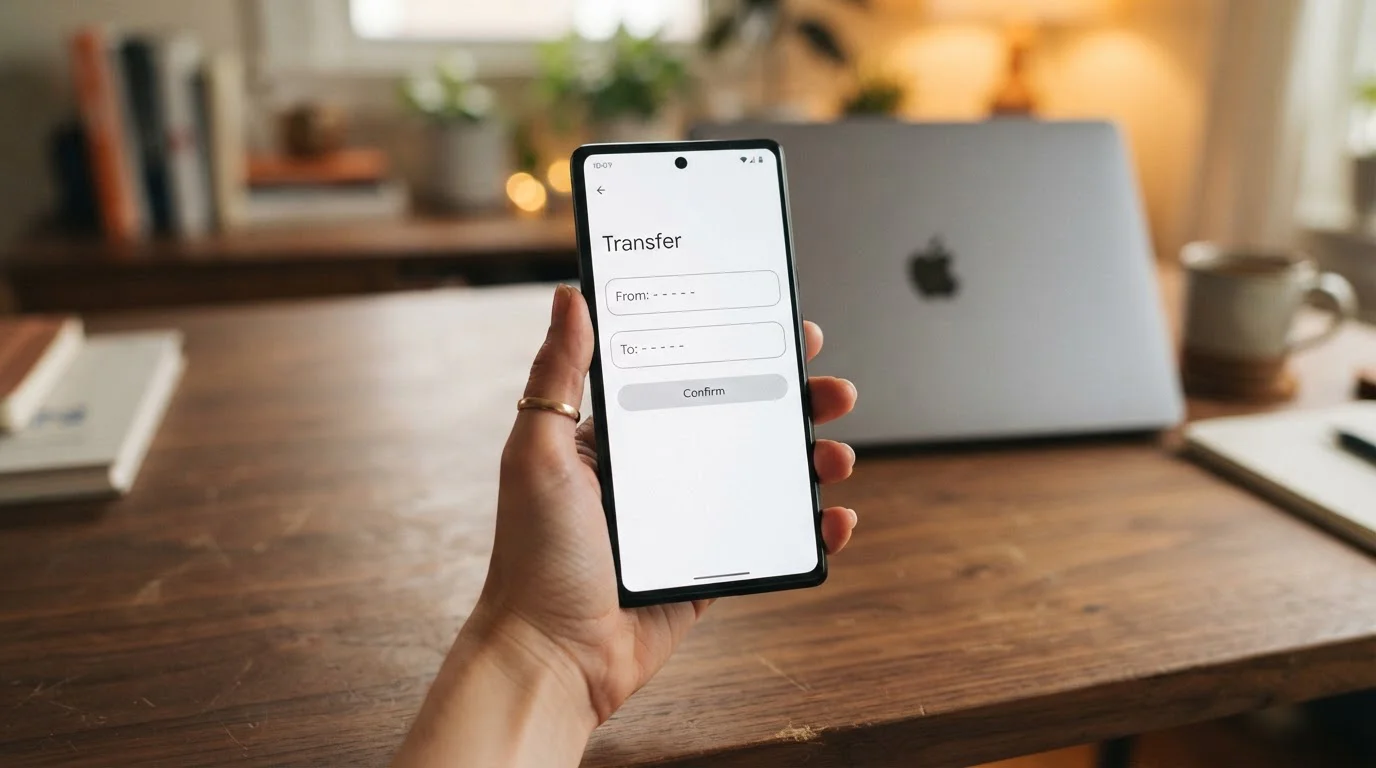
How to deposit XRP at a casino — and the destination tag that decides whether it arrives
The mechanics are genuinely simple, which is why the one step that goes wrong goes wrong so often. Buy XRP, copy two pieces of information from the cashier instead of one, send, wait about four seconds.
Buying XRP in the UK
Any FCA-registered exchange serving British customers will sell you XRP against GBP — Kraken, Coinbase and Uphold among them. You can either hold the coins on the exchange or withdraw them to a self-custody wallet such as Xaman or a hardware device. For casino deposits the distinction matters more than it first appears, and not in the direction most guides suggest.
Sending straight from an exchange to a casino is the fewest steps, but exchanges increasingly flag or decline transfers to gambling-associated addresses, and some will question the destination. Routing through your own wallet first adds a hop and a fee but puts the transaction under your control. Either way, remember what the exchange is doing when you buy: selling you XRP at a spread, and charging a withdrawal fee when it leaves. Those two costs dwarf everything the blockchain charges, which is the subject of the next section.
The destination tag, explained properly
A destination tag is a 32-bit number attached to an XRP payment. It has no function on the ledger itself — it exists purely so that an off-ledger system can work out which of its customers an incoming payment belongs to.
Here is why that is not a technicality. Casinos do not generate a unique XRP address for every player. They pool all player deposits behind a single ledger address, and the destination tag is the only thing distinguishing your deposit from the thousands of others arriving at that same address. Send XRP without the tag and the transaction succeeds perfectly. The money settles. It reaches the casino. It simply cannot be matched to your account, and automatic crediting never happens.
Recovering it means opening a support ticket with your transaction hash and waiting while someone manually reconciles the ledger. Sometimes that takes a day. Sometimes it takes a week and several reminders. At a site with no licence and no dispute scheme, it occasionally takes forever. Some exchanges now block tagless XRP withdrawals outright precisely because they got tired of fielding these tickets.
One asymmetry nobody explains, and it causes unnecessary anxiety in the other direction: the tag matters when you are sending to the casino, not when the casino is sending to you. Your own wallet address identifies you by itself — it is not shared with thousands of other users — so a withdrawal arriving without a tag credits normally. If a cashier offers you an optional tag field on the way out, you can usually leave it empty. Check with your own wallet provider if it is an exchange-hosted address, because exchange deposit addresses are pooled too, and the same rule applies in reverse.
So: copy the address, copy the tag, paste both. Confirm the tag field is populated before you authorise. Then send.
Minimum XRP deposits across the shortlist
Most of the twelve state no minimum at all, which sounds generous until you notice that the ones publishing a figure are generally the ones being straight with you about the rest of their fee structure too.
Where floors exist they are low. Wild.io takes 3.5 XRP, about £3.85. Bets.io takes 5 XRP, roughly £5.50. Dexsport accepts stablecoin deposits from around a dollar and is comparably relaxed on XRP. Rainbet sets a $10 equivalent, BC.Game $5. At roughly £1.10 per XRP, every one of those is a sum you could lose to a misunderstanding without it ruining your week — which is the correct amount to risk on a first attempt at an unfamiliar payment rail.
Withdrawal floors are the figure to check more carefully, because they are higher and they trap money. Stake will let you take out 1 XRP. Jack asks 3 XRP, Wild.io 5.7, Bets.io 10, Betpanda 20 — about £22. Deposit a fiver at Betpanda and you cannot withdraw it; you would need to quadruple it first. That is not a scam, it is arithmetic, but it is arithmetic worth doing before you deposit rather than after.
The 1 XRP you cannot spend
This one is absent from every comparison page in this niche and it catches people out constantly.
The XRP Ledger requires every account to hold a base reserve of 1 XRP permanently, plus an owner reserve of 0.2 XRP for each object the account owns on the ledger. That reserve is locked. You cannot spend it, send it, or gamble with it while the account exists. It is a deliberate anti-spam mechanism, not a fee — the XRP is still yours, recoverable by deleting the account — but functionally, if you have just created your first XRP wallet, roughly £1.10 of your balance is untouchable.
Which means buying exactly £5 of XRP and sending the lot to a casino does not work. You can send about £3.90 of it. Generating a key pair does not even create an account on the ledger: the address becomes real only when it receives at least the base reserve. So a first transfer of less than 1 XRP to a brand-new wallet fails outright.
None of this applies if you send directly from an exchange, since the exchange holds the reserve on its own pooled accounts. But for anyone following the standard advice to use self-custody, it is a real cost on the first transaction and a confusing failure mode on a small one. Validators can vote to lower the reserve as XRP’s price rises, and it has been reduced before, but 1 XRP is the figure as things stand.
What is an XRP destination tag, and what happens if I forget it?
It is a number identifying which account a deposit belongs to at a casino’s shared XRP address. Omit it and the transfer still succeeds — the funds reach the operator but cannot be credited to you automatically. Recovery requires a support ticket quoting your transaction hash, and it can take days.
What is the minimum XRP deposit at a casino?
Most sites in this shortlist set no minimum. Where one exists, Wild.io is lowest at 3.5 XRP (roughly £3.85), followed by Bets.io at 5 XRP. Check the withdrawal floor too: Betpanda requires 20 XRP out, so a small deposit there cannot be cashed back out.
Withdrawals, payout speed and the trap of being paid in the wrong coin
Deposits are the easy half. Everyone wants your money and the cashier is built accordingly. The exit is where these sites differentiate themselves, and where the advertised numbers need the most scrutiny.
How fast XRP withdrawals actually clear
The XRP Ledger settles in seconds, so any delay you experience is the operator’s, not the network’s. That distinction is useful when you are reading payout claims, because the published windows vary by a factor of several hundred across sites using the identical blockchain.
At the fast end, Thrill, Betpanda and Dexsport quote instant. Jack delivers ten to twelve minutes and it holds up under independent checking. BitStarz and mBit claim around ten minutes, though payout measurement puts BitStarz mid-field, so read that as a good case rather than a promise. Rainbet claims under fifteen minutes and measures nearer thirty. Then the slower tier: Stake and Cloudbet quote nought to two days, Bets.io the same, BC.Game up to twenty-four hours.
What creates the gap is review policy. An automated cashier pays as soon as the transaction is signed. A manual review queue pays when someone looks at it. Identity verification is the usual trigger, and the published delays elsewhere in this market are instructive — some operators quote up to seventy-two hours post-verification, and one warns checks can run a full seven days. A ten-minute payout claim means ten minutes once approved. Approval is the variable.
Accepting XRP is not the same as paying in XRP
This is the one that costs real money and almost nobody mentions it.
A casino can accept XRP deposits while declining to pay withdrawals in XRP. Several convert winnings to Bitcoin or a stablecoin before payout, applying their own exchange spread in the process. That spread can comfortably exceed everything XRP saved you on the way in, and you discover it at the worst possible moment — when you are trying to leave with a balance.
Three checks settle it in under a minute per site. First, open the withdrawal menu, not the deposit page, and confirm XRP is actually in it. Marketing pages list coins the cashier accepts; the withdrawal menu lists what it pays. Second, check whether the minimum is denominated in XRP or in dollars. An XRP-denominated floor means the operator is thinking in XRP; a dollar floor often means conversion is happening somewhere. Third, look for a published per-coin withdrawal fee. Cloudbet’s full fee table is the gold standard here and the reason it ranks second on this list despite a game library a third the size of its rivals’.
Applying those three checks to the shortlist is how the table above got its “not published in XRP” cells. Stake, Jack, Wild.io, Bets.io and Betpanda all publish XRP-denominated withdrawal minimums, which is the signal you want. Several others accept XRP but quote their exit figures in dollars.
Turnover rules and withdrawal ceilings
Payout speed is meaningless if a rule prevents you withdrawing at all, and these clauses are where the fine print earns its reputation.
Stake requires one full round of deposit turnover before any withdrawal, set out in terms 8.5 and 8.10. Deposit £100, and you must wager £100 before the cashier will release anything — even your own untouched deposit. BC.Game applies a comparable 1x rule, and Jack’s withdrawal turnover works the same way. These are not bonus conditions. They apply to plain deposits with no promotion attached, which surprises people who have only ever played on UK-licensed sites where your own money remains your own money.
Ceilings vary wildly. Stake states no XRP withdrawal limit and no win cap. Wild.io tops out at 370,933 XRP, Bets.io at 11,500 XRP, Betpanda near $45,000, and Jack caps maximum winnings at $150,000. BC.Game is the one to watch: its monthly withdrawal caps tighten as winnings increase, which inverts the thing a successful player actually needs. Win big, wait longer.
How long does an XRP casino withdrawal take?
The network settles in seconds, so the wait is entirely the operator’s. Jack clears in ten to twelve minutes, Thrill and Betpanda claim instant, while Stake, Cloudbet and Bets.io quote nought to two days. Identity checks are the usual cause of delay and can add seventy-two hours or more.

What an XRP round trip really costs in pounds
Every page on this subject tells you XRP fees are under a cent. That is true and almost entirely useless, because the blockchain is not where your money goes.
The network fee is not the cost
The XRP Ledger charges a minimum of 10 drops for a standard transaction. A drop is a millionth of an XRP, so 10 drops is 0.00001 XRP — at around £1.10 per XRP, something in the region of a thousandth of a penny. The fee rises only under network load, and unlike gas-fee auctions on other chains it does not spike to meaningful amounts. Oddly, the fee is not paid to anyone: it is destroyed, removing that XRP from supply permanently.
So the network is effectively free. Fine. Now count the parts that are not.
A worked £100 round trip
Take £100 through the full journey: buy XRP on a UK exchange, move it to a casino, play, withdraw, convert back to sterling. Here is where the money actually goes.
The exchange purchase is the big one. A standard spot trade on a major exchange runs roughly 0.1% to 0.5% in commission, but the convenient “instant buy” button most newcomers use costs considerably more — commonly 1% to 1.5% once the spread is included. Call it £1.50 on the way in if you use the simple route, or around 40p if you place a proper order. Then the exchange’s XRP withdrawal fee, usually a flat amount in XRP, typically well under a pound.
If you are routing through your own new wallet, add the 1 XRP base reserve — about £1.10, locked rather than spent, but unavailable. The XRPL transaction itself costs that thousandth of a penny, twice if you hop via your own wallet. Negligible either way.
On the casino side, the withdrawal fee depends entirely on where you played. Rainbet charges nothing. Bets.io is reported fee-free. Thrill applies a small per-coin fee. Cloudbet publishes exact figures, which is why its fee table is worth more than its bonus. And if the site pays you out in Bitcoin or a stablecoin rather than XRP, there is a conversion spread applied at a rate the operator chooses — this is the unbounded item, and the reason the three withdrawal checks above matter so much.
Finally, selling XRP back to GBP on the exchange costs the same spread you paid going in, plus a withdrawal fee to your bank if applicable.
Totalled: a £100 round trip, played carefully through a fee-free cashier with spot orders rather than instant-buy, lands somewhere around £1 to £2 all in — roughly 1% to 2%. Done casually, using instant buy at both ends and a site that converts your payout, it can reach 4% or 5%, dominated entirely by exchange spread and conversion. The blockchain’s contribution to that figure, in both cases, is about a hundredth of a penny.
The honest conclusion: the network is nearly free, the route is not. Anyone telling you XRP gambling costs nothing is quoting the one number in the chain that does not matter.
How this compares with a card deposit
Against a UK-licensed site taking a debit card, XRP wins on exit speed and loses on nearly everything else. A card deposit costs you nothing, arrives instantly, and carries chargeback rights. Withdrawals back to a card typically take one to three working days, occasionally five, which is the genuine pain point XRP solves — ten minutes against three days is a real difference if you have just won something.
But the comparison is not really payment-against-payment, and treating it that way is a mistake. Choosing XRP means choosing an offshore operator, because no UK-licensed site will take it. So the actual choice is between a free, protected, slow-exit card deposit at a regulated site, and a low-cost, unprotected, fast-exit crypto deposit at an unregulated one. The payment rail is the smaller half of that decision.
Where XRP genuinely outperforms other coins is more clear-cut. No chain selection — XRP runs on one network, so the catastrophic “sent on the wrong chain” error that haunts stablecoin deposits cannot happen. Settlement in seconds rather than Bitcoin’s ten-minute blocks or its occasional fee spikes. And a fee that does not move when the network is busy.
Is XRP better than Bitcoin for casino deposits?
For moving money, yes — seconds rather than ten-minute blocks, a fee near zero that does not spike with congestion, and only one network to send on. Bitcoin’s advantage is universal acceptance and payout support everywhere. XRP’s weakness is that fewer cashiers pay winnings back out in it.
XRP casino bonuses and what the wagering actually means
The offers at these sites are enormous, and the enormousness is the point. A “gift” of up to 1 BTC sounds transformative right up until you read the multiplier attached to it.
Why 40x is the number that matters
Forty times is the standard wagering requirement across this market, and it appears on most of the shortlist: Bets.io, BitStarz, Wild.io, Rainbet, Betpanda, with BC.Game at 45x and Vave-tier offers reaching 50x.
Work through what 40x means. Deposit £100, receive a £100 matched bonus, and you must wager £8,000 before the bonus and any winnings become withdrawable. At a slot returning 96% to the player, £8,000 of turnover gives back around £7,680 — an expected loss of £320 on the way to clearing a £100 bonus. The requirement is not an obstacle on the path to free money. It is the mechanism by which the money stops being free.
This is why headline figures scale so absurdly. An offer of “up to 1 BTC” is up to roughly £80,000, requiring £3.2m in turnover to clear in full. Nobody clears it. The number exists to be large on a comparison table, not to be collected. Casinos are not charities, and a business handing out 40x-encumbered credit is running a marketing cost, not a generosity programme.
Rakeback and cashback instead of a welcome bonus
Which is what makes a handful of these operators genuinely different rather than merely differently numbered.
Thrill has abolished the welcome bonus. In its place: instant rakeback up to 70% plus 10% lossback, at zero wagering. Money comes back on every bet you place, it is withdrawable immediately, and no turnover condition stands between you and it. The percentage is lower than a 200% match in headline terms and worth considerably more in practice, because it is actually collectable. Rainbet runs 10% weekly rakeback on the same principle, Bet25-tier operators offer 20% daily cashback at 0x, and Jack pays no-wagering instant rakeback alongside wager-free welcome spins.
The distinction is structural, not cosmetic. A matched bonus is credit you must churn; rakeback is cash you have earned. If you intend to play any volume at all, the second is nearly always the better deal, and it is the single most useful filter to apply to this market.
Two caveats on the specifics. Thrill’s bonus terms publish no numeric figures at all, which for an operator whose entire pitch is the rewards programme is a notable omission. And Rainbet’s advertised “up to 70%” rakeback reportedly pays materially below headline according to community reports, with welcome-code winnings capped at $50 — so verify what lands in your account rather than what the landing page promises.
No-deposit and no-wagering offers — what exists and what does not
No-deposit bonuses do exist here, and they are smaller than the searches imply. BitStarz offers 50 free spins on signup with no deposit required, which is real. Jack gives 100 free spins on a $50 deposit at 1x wagering — not strictly no-deposit, but 1x is close enough to free that it deserves the comparison. Beyond that, the no-deposit offers in this market tend to be spin bundles on specific titles with win caps attached rather than usable cash.
Genuinely no-wagering offers are rarer still and worth seeking out when they appear. Jack’s wager-free spins and Thrill’s zero-wagering rakeback are the clearest examples among the twelve. Cloudbet’s 1x welcome at up to 2,500 USDT is the lowest conventional multiplier on the list and deserves mention for that alone — 1x is forty times easier to clear than the market standard, and the arithmetic there genuinely works in your favour.
Games you can play with an XRP balance
Before the detail, a correction that saves a lot of confused searching: there is no such thing as an XRP slot. The coin is a cashier rail. It funds the balance and plays no part in what the games are or how they behave.
Slots and provider libraries
The catalogue at an XRP-accepting site is the same catalogue a fiat player sees, drawn from the same studios. Libraries run from Cloudbet’s comparatively lean 2,850 titles to Jack’s 10,400 and Betpanda’s 12,900, with Wild.io, Rainbet and Bets.io between 7,000 and 14,000 depending on whose count you trust and when it was taken. Rainbet alone lists more than eighty slot providers.
Those counts are worth less than they appear. Past roughly two thousand titles, the difference is filler nobody plays, and a site with 12,000 games is not meaningfully richer than one with 7,000 — it has simply integrated more aggregators. What matters more is whether the studios you want are present and whether the site publishes return-to-player figures per title.
The one game category genuinely tied to crypto is provably fair Originals: in-house titles — dice, crash, mines, plinko — where the result is cryptographically verifiable after the fact rather than certified by a testing lab you have to trust. Thrill runs thirteen, Wild.io twenty-nine, and Rainbet pairs certified third-party RNG with its own Originals set. For a player on an unlicensed site, verifiable fairness on at least part of the library is a reasonable thing to want.
Live dealer and table games
Live casino at these sites comes from the same handful of studios serving the regulated market, streamed from the same facilities. Rainbet lists over ninety-eight live tables; the others carry roulette, blackjack and baccarat as standard, with Bets.io and Wild.io both running sizeable live lobbies.
One practical note on paying with crypto at live tables. Table minimums are denominated in fiat even when your balance is in XRP, so a £1 minimum blackjack table is £1 regardless of the coin funding it. The conversion is handled at the cashier, and XRP’s price volatility means the sterling value of an untouched balance drifts while you play. Over an evening that drift is usually trivial. Over a month of leaving funds on a site, it is a position you did not intend to take.
Playing on mobile
None of these operators has a meaningful native app, and the searches implying otherwise are chasing something that does not exist in this corner of the market. What they have is browser cashiers that work properly on a phone — which, given Apple’s and Google’s restrictions on real-money gambling apps for unlicensed operators, is the only option available to them.
In practice this is less of a limitation than it sounds. The deposit flow is where mobile matters, and copying an address plus a destination tag between a wallet app and a browser tab is the fiddliest part of the whole process. Doing it on a phone, with both apps a swipe apart, is arguably easier than on a desktop. Dexsport’s wallet-connect model is the smoothest of the twelve on mobile for exactly this reason — the wallet signs the transaction directly and there is no address to paste, and therefore no tag to forget.
Verification, anonymity and what “no KYC” really costs
The appeal is obvious. No documents, no selfie holding a passport, no three-day wait while someone decides your utility bill is acceptable. Several of these sites deliver exactly that. The question is what you are trading for it.
Where KYC bites — at signup or at cashout
The useful distinction is not whether a site does identity checks but when. A site checking at registration is annoying and transparent. A site checking at withdrawal is frictionless right up to the moment you try to leave with money, which is the moment leverage matters.
The published delay figures across this market tell the story. Operators in this space quote identity-check windows of up to twenty-four hours post-verification, up to seventy-two hours at several sites, and one warns that checks can run a full seven days. Stake requires Level 2 verification before you can claim its welcome offer. Those are the operators publishing timeframes at all; the ones that do not publish anything are not thereby faster.
Plan for it rather than hoping. Complete verification when you open the account, before you have a balance worth arguing about. An identity check you volunteered for on a quiet Tuesday is a form-filling exercise. The same check triggered by a £4,000 withdrawal request is a negotiation, and the other party is holding the money.
Wallet-connect and no-account play
Dexsport is the genuine article here. You connect a wallet — or sign in via email or Telegram — and play. There is no account creation in the conventional sense and no document ever requested. Betpanda takes a similar line with no verification at registration, no identity forms and no bank transfers at all.
What both models remove alongside the friction is recourse. No verified identity means no account recovery if you lose access to your wallet or your email, and no identity basis on which to pursue a withheld payout. Those are the two functions an account performs. Dexsport’s player feedback splits to extremes accordingly — fast payouts praised on one side, withdrawal complaints and account restrictions reported on the other, with almost nothing in between. Betpanda compounds it by publishing no licence at all, so there is not even a nominal register entry to point at.
Treat no-KYC as deferred risk rather than absent risk. It is a reasonable choice for small, short-lived balances you actively play through. It is a poor one for anything you intend to accumulate.
Do I need to verify my identity at an XRP casino?
At some, no. Dexsport runs on wallet-connect with no documents, and Betpanda requires no verification at registration. Elsewhere, checks are usually triggered by your first withdrawal rather than at signup — Stake needs Level 2 for bonuses, and delays of up to seventy-two hours are documented across this market.
“XRP debit cards” and “XRP instant banking” — what those terms really mean
A lot of searches in this area combine XRP with vocabulary borrowed from fiat payments: XRP debit card, XRP credit card, XRP instant banking. Those products do not exist as described, but the instinct behind the searches points at something real and genuinely useful.
There is no XRP card at a casino cashier
XRP has no native card product. You cannot hand a cashier an “XRP card” the way you would a Visa debit, because XRP settles on its own ledger and card networks settle through banks. Likewise, “instant banking” is open-banking vocabulary — the language of Trustly and Pay by Bank, where a payment is pushed directly from your current account. XRP settles in about four seconds, so it is fast, but it is not instant banking in the technical sense and no casino cashier will describe it that way.
The crypto debit card route — the one option that keeps your UK protections
Now the part worth the attention. While there is no XRP card at a casino, there are crypto debit cards from regulated providers that liquidate a crypto holding into fiat at the point of sale. Hold XRP, spend sterling.
Follow that through and something interesting falls out. If you use such a card to fund an account at a UK-licensed casino, the casino receives an ordinary GBP card payment. It never sees crypto, its source-of-funds obligations are satisfied by a regulated card issuer, and you remain inside the UK regime — with GAMSTOP, access to an approved dispute resolution scheme, deposit limits, reality checks and the full set of consumer protections that every offshore site on the shortlist above lacks.
This is the only route covered anywhere here that lets you start from an XRP holding and still play on a protected site. For a cautious player who owns XRP and wants to gamble a portion of it without surrendering UKGC coverage, it is a markedly better answer than any offshore cashier.
Three caveats, and they matter. This is a sale of XRP for pounds, not an XRP deposit — you are disposing of the asset, which has implications worth understanding before you do it at volume. The card issuer applies its own conversion spread, typically more than you would pay trading on an exchange. And some UK-licensed operators decline card deposits originating from crypto-linked issuers as part of their own source-of-funds checks, so it is not universally accepted. Test with a small amount first.
GAMSTOP, self-exclusion and staying in control
A substantial share of searches pairing XRP with casinos is really asking one question: can I play somewhere GAMSTOP cannot reach. The answer is yes, and it deserves a straight explanation rather than either a sales pitch or a lecture.
Why offshore XRP sites sit outside GAMSTOP
GAMSTOP is the national online self-exclusion scheme, launched in April 2018 and a mandatory licence condition for every UKGC remote licensee since 31 March 2020. Register once and you are blocked from every UK-licensed gambling site for the period you choose.
Its reach is defined entirely by that licence condition. A site without a Gambling Commission licence has no obligation to query the GAMSTOP database and no mechanism to do so. Offshore operators are therefore outside the scheme as a structural consequence of where they are licensed — not because they built something clever to evade it, and not as a feature they designed for your benefit. Every XRP-accepting site on the shortlist falls outside GAMSTOP for the same reason it cannot take a UKGC licence: it is not in the system.
What you lose when you leave the licensed market
The protections GAMSTOP sits inside do not travel. On an offshore site there is no UKGC-approved dispute resolution service to hear a complaint about a withheld withdrawal. There is no mandated segregation of player funds from operating capital, so a balance on the site is an unsecured claim against the company — and BC.Game’s linked entities being declared bankrupt over unpaid winnings in a 2024 Curaçao court ruling is what that looks like when it goes wrong. There are no enforceable deposit limits, no reality checks, and no cooling-off requirements.
Add the payment layer and the picture sharpens. A crypto transfer is irreversible. There is no chargeback, no bank dispute, no mechanism by which a sent deposit comes back. Combine a deposit that cannot be reversed with a site that has no obligation to stop you depositing and no scheme to hear your complaint, and you have the specific configuration in which UK players lose the most money.
If you registered with GAMSTOP, you made that decision for a reason, and the reason has not changed because a cashier accepts XRP. GamCare runs the National Gambling Helpline free on 0808 8020 133, twenty-four hours a day.
Keeping control of crypto spending
Crypto removes most of the natural brakes on gambling spend, which is worth being deliberate about. There is no card issuer declining a transaction, no bank gambling block, no monthly statement arriving to make the total legible, and no deposit limit on an unlicensed site. The balance is also denominated in a volatile asset, so the sterling figure moves while you are not looking and the mental accounting gets slippery.
Two practical measures help. Keep gambling funds in a separate wallet from any XRP you hold as an investment, and move a fixed amount into it on a fixed schedule — the transfer then becomes the decision point rather than each individual deposit. And denominate your own limits in pounds rather than XRP, because a 200 XRP ceiling means something different at £1.10 than it did at 50p, and your brain will not adjust for it automatically.
Do XRP casinos appear on GAMSTOP?
No. GAMSTOP applies only to Gambling Commission licensees, and no UKGC licensee can accept XRP — so every XRP-accepting site sits outside the scheme by definition. That also means no deposit limits, no reality checks, and no approved dispute resolution if a payout is withheld.

If XRP does not fit — the alternatives worth considering
XRP is excellent at one specific thing: moving value quickly and cheaply across a single network with no chain to choose wrongly. If that is not the constraint that matters to you, other options do other jobs better.
Other coins at the same cashiers
Every site in the shortlist accepts multiple coins, so switching is a cashier decision rather than a change of venue. The comparison below is about what each coin trades away.
| Method | Typical settlement | Typical cost | Accepted at UKGC-licensed sites | Trade-off against XRP |
|---|---|---|---|---|
| XRP | 3–5 seconds | 0.00001 XRP network fee | No | Baseline: fast, cheap, one network, fewer payout-side cashiers |
| Bitcoin | 10–60 minutes | Variable, can spike sharply | No | Universally accepted and always paid out in; slowest and dearest to move |
| Ethereum | 15 seconds–5 minutes | Gas fees, volatile | No | Widest token support; fees can exceed a small deposit entirely |
| Litecoin | 2–30 minutes | Low, stable | No | Cheap and widely accepted; slower, and blocks can queue |
| Dogecoin | 1–10 minutes | Very low | No | Low minimums and broad acceptance; high price volatility |
| Solana | 1–5 seconds | Fractions of a penny | No | Comparable speed and cost; a documented history of network outages |
| Bitcoin Cash | 5–20 minutes | Very low | No | Cheap and stable; narrower cashier support each year |
| BNB | 3–10 seconds | Very low | No | Fast and cheap; multiple networks, so chain selection can go wrong |
| Tron | 1–5 seconds | Very low | No | Fast and cheap; mainly used as a stablecoin rail rather than directly |
| USDT | Seconds to minutes by chain | Low, varies by chain | No | No price volatility; wrong-chain transfers are a real and total loss risk |
| USDC | Seconds to minutes by chain | Low, varies by chain | No | Same stability, better transparency; same chain-selection hazard |
| Debit card | Instant in, 1–3 days out | Free | Yes | Slow exit, but chargeback rights and full UKGC protection |
| PayPal | Instant in, hours out | Free | Yes | Fast both ways and protected; unavailable at any XRP site |
| Apple Pay | Instant in, 1–3 days out | Free | Yes | Simplest deposit available; fiat only, licensed sites only |
| Open banking | Instant both ways | Free | Yes | Fastest protected route; requires a UK bank and a licensed operator |
The pattern across the crypto rows is worth drawing out. Stablecoins solve the one genuine problem XRP has — your balance does not move 5% overnight — and introduce a worse one, because USDT and USDC exist on several networks and sending on the wrong one means the funds are simply gone. XRP has no chain menu, so that failure mode does not exist. Solana matches XRP on speed and cost almost exactly and has a longer record of network halts. Bitcoin is the only coin every cashier both accepts and pays out in, which is a real advantage at exactly the moment you are trying to withdraw.
Staying with a UK-licensed site instead
The fiat rows in that table are not filler. If what you actually want is fast withdrawals rather than crypto specifically, open banking at a UKGC-licensed operator settles in minutes in both directions, costs nothing, and keeps every protection the offshore market lacks. PayPal withdrawals at licensed sites commonly land within hours.
Which reframes the decision honestly. XRP’s advantage over a card is the exit speed. Against open banking at a licensed site, that advantage largely disappears — and you keep GAMSTOP, dispute resolution and fund segregation into the bargain. The genuine reasons to choose an offshore XRP site are the things UK-licensed operators cannot offer at all: no stake caps, far larger game libraries, rakeback instead of wagering requirements, and no self-exclusion database. Whether that set is worth the protections it costs is a decision only you can make, but it should be made on those terms rather than on a misunderstanding about payment speed.
Are XRP casino winnings taxable in the UK?
Gambling winnings are not subject to income tax or capital gains tax in the UK. The XRP itself is a different matter: it is treated as an asset, so disposing of it — selling for pounds, or in some circumstances spending it — can trigger capital gains considerations depending on your overall position and allowances.
How this shortlist was put together
Worth being explicit about the method, partly because transparency is cheap and partly because the audit turned up something that says a lot about this niche.
What was checked
Four things, in order. Whether XRP genuinely appears in the cashier rather than only in marketing copy. Whether the licence number exists, matches the stated operating entity, and resolves on the relevant register. What the published withdrawal minimum is and whether it is denominated in XRP or converted. And what the terms actually say about turnover, caps and verification, read at clause level rather than summarised from a landing page.
The first check removed candidates, and this is the part worth your attention. Two brands appearing on a major comparison site’s XRP ranking — Flush and Chancer — publish coin lists that contain no XRP at all. Chancer’s eight supported coins are Bitcoin, Ethereum, Litecoin, Solana, USDC, Tether, Bitcoin Cash and Tron. Flush’s list is similar. Both are ranked on a page dedicated to XRP casinos, by a site claiming a thirty-point methodology and a monthly review cycle.
That is not an obscure error. It means a page can rank well for an XRP query while recommending sites that cannot take XRP, and the only defence available to you is checking the cashier yourself. Open the deposit page, look for XRP, then open the withdrawal page and look again. Thirty seconds, and it outperforms any ranking methodology on the market — including this one.
New arrivals versus long-running sites
The shortlist spans twelve years of launches deliberately, because the contrast is instructive. Thrill opened in August 2025 and leads the field on rewards structure, with zero-wagering rakeback that makes most welcome bonuses look like what they are. mBit has been running since 2014 and offers a 40x three-deposit package no better than brands a tenth its age.
Neither fact tells you where to play. What the pair demonstrates is that longevity and generosity are independent variables here, and the newest site with the largest percentage is not thereby the better place to keep money. A 2025 launch on an Anjouan licence has a cashier that works and no history of behaviour under pressure. A 2014 operator with twelve unbroken years, no licence surrender and no insolvency event has demonstrated something that cannot be advertised. Set against that, BC.Game has run since 2017 and still surrendered a licence after a court ruling about unpaid winnings — so age alone guarantees nothing either.
Where XRP makes sense and where it does not
It makes sense if you already hold XRP, want to play on sites outside the UK-licensed market for reasons you have thought through, and value a fast cheap exit. It makes sense if you have been frustrated by three-day card withdrawals and want ten-minute ones. And it makes sense as the cheapest reliable way to move a balance between crypto venues, because the single network and the flat fee remove the two ways crypto transfers usually go wrong.
It does not make sense if you are buying XRP solely in order to gamble with it. That route adds exchange spread, a withdrawal fee, a locked reserve on a new wallet, price volatility while your balance sits idle, and an offshore operator with no dispute scheme — in exchange for a payment method whose main advantage over open banking at a licensed site is marginal. And it does not make sense if you registered with GAMSTOP, where the fast anonymous irreversible deposit is precisely the thing you were protecting yourself from.
The sites exist, they work, and the twelve above are the ones whose XRP handling stands up to checking. What you do with that is your call — made, ideally, with the trade-off in plain sight rather than buried under a bonus percentage.
Crypto Casinos UK 2026 — Solana, XRP, Dogecoin, BCH and BNB
Content created by the «casinomoneyg» team