
Casinos That Accept Zimpler UK 2026: The Real Picture and Working Alternatives
 Available in US
No UK-licensed casino accepts Zimpler in 2026. The Swedish payment provider withdrew from the British gambling market between 2021 and 2022, and despite what some outdated comparison sites suggest, Zimpler deposits and withdrawals are unavailable at every operator holding a UK Gambling Commission license.
That does not make this page pointless. What players searching for Zimpler actually want is what Zimpler delivered: instant deposits pulled straight from a bank account, mobile-first confirmation without typing card numbers, and fast withdrawals. Those features did not disappear when Zimpler left. They migrated to other rails.
Trustly took over the open-banking instant-transfer niche. PayPal became the ubiquitous e-wallet fallback. Apple Pay brought biometric mobile payments to iOS users, and Skrill continued serving the iGaming-focused crowd that Zimpler once targeted. The mechanics shifted, the brands changed, but the speed stayed.
This guide explains what happened to Zimpler in the UK, why the Gambling Commission’s tightening rules made its model unsustainable, and which payment methods at which UKGC-licensed casinos deliver the same experience in 2026. Withdrawal speeds are operator-specific, deposit limits are stated, and the regulatory gaps that offshore sites exploit are named plainly.
No affiliate fluff. No recycled lists from 2021 pretending Zimpler still works. Just the current state and the working replacements.
Casinos That Accept Zimpler UK 2026: The Current Reality
Zimpler is not available at any UK Gambling Commission-licensed casino in 2026. That sentence answers the query directly: if you came looking for a list of UK casinos offering Zimpler deposits, the list is empty.
Zimpler operated in the UK gambling market from roughly 2016 through early 2020. Founded in Gothenburg, Sweden, in 2012, it built a payment product around mobile-number authentication and SMS confirmation. Players linked their bank account or card to a phone number, selected Zimpler at a casino cashier, entered the number, confirmed via a one-time code sent by text, and funds landed instantly. No separate e-wallet registration, no typing 16-digit card numbers on a phone screen, no friction.
That low-friction pitch worked in Sweden and Finland, where digital banking infrastructure and broad BankID adoption made instant verification simple. The UK market accepted Zimpler for a window, and it gained traction among players who valued speed over everything else. Then the regulatory environment shifted.
April 2020 marked the first break. The UK banned credit cards for online gambling deposits under Statutory Instrument 2020 No. 265, eliminating the ability to gamble with borrowed money. That rule alone reshaped the payment landscape overnight, pushing the market toward debit cards, e-wallets, and instant bank transfers. Zimpler, as a non-card alternative, should theoretically have benefited.
It did not. The credit card ban was only the visible tip of a broader tightening. Between 2020 and 2022, the Gambling Commission layered on stricter affordability checks, enhanced source-of-funds verification for high-value accounts, and mandatory customer interaction requirements when at-risk behavior was flagged. Payment intermediaries operating in the UK gambling space suddenly faced expectations they could not meet without rebuilding their compliance infrastructure from scratch.
Zimpler chose exit over rebuild. By late 2021, the company had stopped processing UK gambling payments. No dramatic press release accompanied the withdrawal. Zimpler simply vanished from UK casino cashiers, and operators quietly removed it from deposit-method lists.
Is Zimpler available at any UK online casino in 2026?
No. Zimpler withdrew from the UK gambling market in 2021-2022 and has not returned. No operator holding a UK Gambling Commission license offers Zimpler as a deposit or withdrawal method in 2026.
The company itself still exists. Zimpler pivoted toward open banking and business-to-business payment services in markets where its low-friction model remains viable under local regulation. Sweden, Finland, and parts of the European Union continue to see Zimpler in non-gambling contexts. But for UK-facing online casinos, the door closed years ago and has not reopened.
That leaves two categories of sites that might falsely claim Zimpler availability in 2026. The first is outdated affiliate content from 2019-2021 that has not been refreshed. Those pages still rank because they accumulated links from other sites before Zimpler left, but the payment-method lists they show are archaeological artifacts, not current options.
The second category is offshore casinos operating without UKGC licenses. Some non-UK-regulated sites targeting British players claim to accept Zimpler, either because they are lying outright or because they use stale marketing copy. A site advertising Zimpler to UK players in 2026 but lacking a Gambling Commission license is either incompetent or dishonest, and neither quality inspires confidence in withdrawals actually landing.
The broader lesson: choosing a casino by payment method rather than by license status is how players end up somewhere they should not be. A working Trustly integration at a UKGC-licensed operator beats a theoretical Zimpler option at an unlicensed one, every time.
Why Zimpler Disappeared from UK Casinos
Zimpler did not leave the UK market because of a specific ban or enforcement action. The UK Gambling Commission never named Zimpler in a public warning, never revoked a license, never issued a fine. Zimpler’s exit was a voluntary commercial decision driven by incompatibility between the company’s product design and the UK’s evolving regulatory expectations for payment intermediaries in gambling.
That incompatibility came down to friction. Zimpler’s entire value proposition was removing it. The UKGC’s entire player-protection framework after 2020 was adding it back.
What UKGC Requires from Payment Providers in 2026
The Gambling Commission does not directly regulate payment providers the way it regulates casino operators, but it sets license conditions that operators must satisfy, and those conditions dictate what payment infrastructure can and cannot support. An operator using a payment method that undermines affordability checks, identity verification, or source-of-funds tracing risks breaching its license.
Post-2020, those license conditions tightened considerably. Three layers matter most for understanding why Zimpler could not stay:
Identity verification. Operators must verify a player’s identity before allowing withdrawals. That verification needs to establish name, address, date of birth, and often a photo ID cross-referenced against credit databases. Payment methods that route funds without contributing identity signals make this harder. Zimpler authenticated via mobile number and SMS code. A phone number tells an operator almost nothing about who owns it. SIM swaps exist. Prepaid numbers exist. The SMS layer added security against payment fraud but contributed zero to KYC.
Affordability checks. The UKGC now requires operators to assess financial risk and intervene when a player shows signs of spending beyond their means. Affordability checks typically kick in at cumulative deposit thresholds. Those thresholds vary by operator but commonly land between £2,000 and £5,000 over a rolling period. Payment methods that obscure transaction history or make it harder to trace source of funds complicate those assessments. Zimpler aggregated bank transfers and card payments into a single interface, which sounds convenient until an operator needs to audit where £3,000 in deposits actually came from.
Source-of-funds tracing. For higher-value accounts or when red flags appear, operators must document the origin of deposited money. That means bank statements, payslips, tax returns, proof that the money is legitimately the player’s. A payment method that acts as an intermediary without providing granular transaction data creates a compliance gap. Trustly, for comparison, authenticates via direct bank login using open banking APIs regulated under PSD2, so the operator knows exactly which account funded the deposit. Zimpler’s architecture did not offer that level of transparency.
The October 2023 rule requiring operators to publish standardized deposit and withdrawal processing times added another layer. Every UKGC licensee must now display how long each payment method takes, both inbound and outbound, in a format players can compare across sites. That rule presumes stable, documented payment rails. A method prone to intermediary delays or unclear settlement paths becomes a liability.
None of these requirements explicitly bans Zimpler by name. But meeting all of them simultaneously requires a payment provider to integrate deeply with UK banking infrastructure, expose transaction-level data to operators for compliance checks, and tolerate friction at multiple points in the user journey. Zimpler’s product was designed to do the opposite.
How Zimpler’s Model Conflicted with UK Rules
Zimpler launched as a Nordic market product built for speed. Enter a phone number, confirm with a code, deposit in seconds. That model worked brilliantly in Sweden and Finland, where BankID and similar national digital-identity schemes provide a trust anchor. A Swedish player authenticating via BankID through Zimpler brings strong identity assurance. The same flow in the UK, relying only on mobile-number ownership and SMS delivery, brings almost none.
The UK does not have a single national digital-identity standard. Open Banking under PSD2 provides one pathway, but it requires direct bank authentication, which Zimpler’s SMS-based flow bypassed. Without that authentication layer, Zimpler could not offer operators the identity and transaction transparency the UKGC increasingly expected.
Zimpler also positioned itself as frictionless. Minimal data entry, instant approval, no interruptions. But the UKGC’s post-2020 framework treats friction as protective. A deposit that pauses to ask “Are you sure?” or triggers an affordability prompt is not a bug; it is a feature. A payment method optimized to remove every pause point undermines that philosophy.
The company faced a choice: rebuild the product for the UK market specifically, layering on identity checks and data-sharing capabilities that would slow the user experience and require regulatory authorizations Zimpler did not hold, or exit a market that represented a fraction of its global volume. Zimpler chose exit.
By 2023, the company had publicly pivoted toward open banking and B2B services in jurisdictions where its original model still fit. The UK gambling withdrawal was not a failure. It was a calculated retreat from a market where the regulatory trajectory and the product design were on collision courses.
The Credit Card Ban and Its Ripple Effect
The April 2020 credit card ban is often cited as the catalyst for Zimpler’s UK exit, but the connection is indirect. Banning credit cards for gambling deposits removed one funding source and shifted player behavior toward debit cards, e-wallets, and instant bank transfers. Zimpler, as a non-card alternative, should theoretically have captured some of that displaced volume.
The ban’s real impact was not about cards. It was about what the ban signaled: the UKGC was willing to impose blunt, sector-wide restrictions to achieve player-protection goals, even at the cost of convenience. That signal told payment providers that the regulatory floor would keep rising.
The ban also triggered a wave of compliance scrutiny across all payment methods. Operators had to demonstrate that every funding source complied with the new rules, which meant auditing payment-provider integrations more rigorously than before. Zimpler’s architecture, designed for a lighter-touch regulatory environment, could not withstand that audit without significant rework.
Credit cards were the visible casualty. Zimpler was collateral damage from the same regulatory shift.
Why did Zimpler stop working at UK casinos?
Zimpler withdrew because the UK Gambling Commission’s post-2020 requirements for identity verification, affordability checks, and source-of-funds tracing were incompatible with Zimpler’s mobile-number-and-SMS payment model. The company chose to exit the UK gambling market rather than rebuild its product to meet stricter compliance expectations.
The Best Zimpler Alternatives for UK Players in 2026
Zimpler’s core appeal was threefold: instant deposits, mobile-friendly authentication, and no card details exposed to the casino. Those features did not vanish when Zimpler left. They fragmented across multiple payment rails, each optimized for a slightly different use case.
Trustly replaced Zimpler’s instant-banking function most directly. PayPal became the universal e-wallet fallback. Apple Pay and Google Pay brought biometric mobile payments to iOS and Android respectively. Skrill and Neteller continued serving players who preferred dedicated gambling e-wallets with faster withdrawals than debit cards could offer.
Choosing between them depends on what mattered most about Zimpler. Speed favors Trustly and PayPal. Mobile ease favors Apple Pay on iOS. Flexibility across multiple casinos favors PayPal and Skrill. No single replacement replicates Zimpler exactly, but the combination covers every angle Zimpler addressed.
The table below compares the six most relevant alternatives on the metrics Zimpler users care about. Deposit speed is universally instant. Withdrawal speed and mobile experience vary more.
| Method | Deposit Speed | Withdrawal Speed | Mobile UX | Separate Account Required | Typical Casino Acceptance |
|---|---|---|---|---|---|
| Trustly | Instant | 15 mins – 2 hours (same-day) | Strong (app-based banking login) | No | Widespread at UKGC casinos |
| PayPal | Instant | Within 24 hours | Strong (universal mobile app) | Yes | Very widespread at UKGC casinos |
| Apple Pay | Instant | Limited support; 1-3 days when available | Excellent (Face ID / Touch ID) | No | Growing but not universal |
| Google Pay | Instant | Very limited support | Good (biometric / PIN) | No | Less common than Apple Pay |
| Skrill | Instant | 24-48 hours to wallet; +1-3 days to bank | Moderate | Yes | Widespread but often excluded from bonuses |
| Neteller | Instant | 24-48 hours to wallet; +1-3 days to bank | Moderate | Yes | Widespread but often excluded from bonuses |
Mobile UX ratings reflect how closely each method replicates Zimpler’s tap-and-confirm flow. Apple Pay on iOS delivers the closest experience: select the method, authenticate with Face ID or Touch ID, done. Trustly requires opening the banking app and logging in, which adds one step but still feels native. PayPal works smoothly but adds an e-wallet layer between bank and casino. Skrill and Neteller are slower and require separate account setup, which dilutes the “instant” feel Zimpler once offered.
Casino acceptance matters because a payment method unavailable at the operator you want is useless regardless of how fast it processes. PayPal and Trustly have the widest footprint among UKGC-licensed casinos in 2026. Apple Pay is growing but still absent from many older platforms. Google Pay lags further behind. Skrill and Neteller are near-universal but frequently excluded from welcome bonus eligibility due to historical abuse patterns.
What is the closest alternative to Zimpler for UK players?
Trustly is the closest functional replacement. It uses open banking to pull instant deposits directly from your bank account without requiring a separate Trustly account, and withdrawals typically land within 15 minutes to 2 hours. PayPal is the second-best option, offering instant deposits and withdrawals within 24 hours at most UKGC casinos.
Trustly: The Closest Functional Replacement
Trustly Group AB, founded in Stockholm in 2008, operates the open-banking payment infrastructure Zimpler once competed against. PayPal acquired Trustly in 2024 for $1.85 billion, but the brand operates independently. Trustly is authorized by the Swedish Financial Supervisory Authority and the UK Financial Conduct Authority under Payment Services Directive 2, which governs open-banking payments across Europe.
Trustly works by connecting directly to a player’s bank via open-banking APIs. Select Trustly at the casino cashier, choose your bank from a list of supported institutions, authenticate through your own banking app or online banking login, approve the payment amount, and funds appear in the casino balance within seconds. No Trustly account, no separate registration, no storing credentials with a third party. The authentication happens between you and your bank; Trustly facilitates the transfer.
Withdrawals run the same rails in reverse. Request a payout to Trustly, authenticate again via your banking app, and the money lands in your bank account. Typical withdrawal speed at UK casinos ranges from 15 minutes to 2 hours during UK banking hours. That is faster than debit card withdrawals, which take one to three working days, and often faster than PayPal, which averages same-day but can stretch to 24 hours depending on the operator’s batch-processing schedule.
Trustly’s advantage over Zimpler is regulatory compatibility. Because Trustly authenticates via direct bank login under PSD2, operators get identity assurance and transaction transparency without additional KYC friction. The bank login itself satisfies most identity-verification requirements. That made Trustly’s model sustainable under UK rules even as Zimpler’s mobile-number approach became untenable.
Trustly is accepted at bet365, LeoVegas, Casumo, Betway, and a growing list of other UKGC-licensed operators. Minimum deposits typically start at £10. No fees are charged by Trustly itself for personal payments, though some banks may apply their own transfer charges. Trustly does not issue credit, does not hold balances, and does not require funding a wallet before use.
The mobile experience on both iOS and Android is strong. Trustly redirects to the banking app installed on the device, authentication happens via the bank’s biometric or password flow, and control returns to the casino once the payment is approved. It is one step less seamless than Zimpler’s SMS-code flow was, but the speed and outcome are identical.
For players who valued Zimpler’s instant banking without intermediary wallets, Trustly is the direct successor.

PayPal: Speed, Trust, and Buyer Protection
PayPal Holdings, Inc., headquartered in San Jose, California, runs the most recognized e-wallet globally. Founded in 1998, PayPal holds over 430 million active accounts as of late 2023. In the UK, PayPal is authorized by the Financial Conduct Authority as an e-money institution under reference number 226056. Its acquisition of Trustly in 2024 for $1.85 billion expanded its open-banking footprint, but PayPal continues operating as a distinct brand.
PayPal functions as an intermediary layer between funding sources and merchants. Players fund a PayPal balance via bank transfer or linked debit card, then use that balance to deposit at casinos. Alternatively, PayPal pulls funds directly from a linked bank account or card at the point of payment if the balance is insufficient. Deposits at UK casinos are instant regardless of funding path.
Withdrawals to PayPal typically process within 24 hours once the casino approves the payout. Some operators batch withdrawals and process them same-day; others queue them overnight. Once funds land in the PayPal account, transferring to a UK bank account takes an additional one to three working days, though PayPal itself processes the transfer within hours. The total timeline from casino withdrawal request to money in a bank account averages one to two days, faster than debit card withdrawals but slightly slower than Trustly’s direct bank-to-casino flow.
PayPal’s strength is ubiquity. It is accepted at 888casino, Casumo, Mr Green, LeoVegas, and most other major UKGC-licensed operators. Minimum deposits are typically £10. PayPal charges no fees for personal payments within the UK, meaning deposits and withdrawals to UK casinos carry no PayPal-side charges. Currency conversion fees apply for non-GBP transactions.
One caveat: many UK casinos exclude PayPal deposits from welcome bonus eligibility. The reason is historical. PayPal’s buyer protection feature, which allows users to dispute transactions and request refunds, was exploited by bonus abusers who would claim bonuses, play, then dispute the deposit and claw back their money while keeping winnings. Operators responded by either banning PayPal entirely or excluding it from promotional terms. As of 2026, most large UKGC operators accept PayPal but restrict it from triggering the welcome offer. Debit cards remain the safest funding method for bonus eligibility.
Mobile experience is strong. PayPal’s app is mature, works across iOS and Android, and supports biometric login. The flow from casino to PayPal to approval takes seconds. It is not as fast as Apple Pay’s native integration, but it is faster than Skrill or Neteller because PayPal’s brand recognition and infrastructure are deeper.
PayPal also offers buyer protection, which is less relevant in gambling contexts but adds a psychological trust layer. Unauthorized transactions can be disputed. That feature does not protect against gambling losses, but it does protect against payment fraud if credentials are stolen.
For players who want an e-wallet that works everywhere and withdraws faster than cards, PayPal is the default choice.
Apple Pay: Mobile-First Biometric Payments
Apple Pay, launched by Apple Inc. in 2014, is a mobile wallet service that tokenizes debit or credit card details stored in the Apple Wallet app. It is available on iPhone, iPad, Apple Watch, and Safari on Mac. Apple Pay is not a payment institution itself; it relies on underlying card networks and issuing banks regulated by the FCA. When a player uses Apple Pay at a UK casino, the payment is processed as a card transaction through Visa or Mastercard, with Apple acting as the tokenization layer for security.
Apple Pay deposits are instant. The flow is tap, authenticate with Face ID or Touch ID, confirm. No typing, no redirects, no separate app. That makes Apple Pay the closest replication of Zimpler’s mobile-first ease for iOS users. The biometric confirmation is faster than entering a password and more secure than SMS codes.
Withdrawal support lags deposit availability. Not all UK casinos that accept Apple Pay deposits allow Apple Pay withdrawals. When supported, withdrawal timelines follow the card network path, typically one to three working days. LeoVegas and BetMGM are among the UKGC-licensed operators that support both Apple Pay deposits and withdrawals as of 2026. Bet365 accepts Apple Pay deposits but routes withdrawals back to the original funding card, not Apple Pay directly.
Minimum deposits for Apple Pay typically match the casino’s debit card minimums, commonly £5 to £10. Apple charges no fees for Apple Pay transactions. The casino may apply its own payment-processing fees, but that is rare among UKGC operators. Apple Pay inherits any limits or restrictions from the underlying debit card, so players with daily spending caps on their cards will see those caps applied to Apple Pay transactions as well.
The key limitation is platform lock-in. Apple Pay only works on Apple devices. Android users are excluded. That splits the market. For iPhone users who valued Zimpler’s mobile simplicity, Apple Pay is the best direct replacement. For everyone else, it is irrelevant.
Casino acceptance is growing but not yet universal. LeoVegas, BetMGM, and select other mobile-first operators prioritize Apple Pay integration. Older platforms and operators with legacy payment stacks have been slower to adopt. That makes Apple Pay a strong secondary option rather than a primary one. Players should verify availability at their chosen casino before assuming it will work.
Can I use Apple Pay at UK online casinos?
Yes. Apple Pay is accepted for deposits at a growing number of UKGC-licensed casinos, including LeoVegas and BetMGM. Withdrawal support is less common; check whether your chosen casino allows Apple Pay withdrawals or only deposits.
Google Pay: The Android Equivalent
Google Pay, operated by Google LLC and launched in the UK in 2015 as Android Pay before rebranding in 2018, provides the same tokenized mobile wallet functionality as Apple Pay but for Android devices. It stores debit or credit card details and authenticates payments via biometric confirmation or device PIN. Like Apple Pay, Google Pay is not a payment institution; transactions run through the underlying card networks.
Google Pay deposits are instant where supported. The authentication flow uses fingerprint, facial recognition, or PIN depending on the Android device’s capabilities. That delivers the same tap-and-confirm ease Apple Pay offers on iOS.
The problem is casino acceptance. Google Pay is less widely supported at UKGC-licensed casinos than Apple Pay as of 2026. Some operators that accept Apple Pay do not accept Google Pay. The disparity likely stems from iOS users skewing toward higher-spending demographics in mobile commerce, making Apple Pay integration a higher commercial priority for casino operators.
Withdrawal support is even rarer than Apple Pay. Most casinos that accept Google Pay deposits do not offer Google Pay withdrawals, routing payouts back to debit cards instead. Minimum deposits and fee structures mirror the underlying card, same as Apple Pay.
For Android users who valued Zimpler’s mobile experience, Google Pay is the aspirational replacement, but its limited casino footprint makes it unreliable as a primary payment method. Trustly or PayPal are safer bets for Android users seeking instant deposits and fast withdrawals.
Skrill: The iGaming E-Wallet Veteran
Skrill, operated by Paysafe Group and headquartered in London, launched in 2001 as Moneybookers before rebranding to Skrill in 2011. It is authorized by the Financial Conduct Authority as an e-money institution under reference number 900001. Skrill has been a staple of the iGaming payment landscape for over two decades, predating Zimpler by a decade.
Skrill functions as a traditional e-wallet. Players create a Skrill account, verify their identity via standard KYC checks, fund the account via bank transfer or debit card, then use the Skrill balance to deposit at casinos. Deposits from a funded Skrill account to a casino are instant. Withdrawals from casinos to Skrill typically process within 24 to 48 hours once the operator approves the payout. Transferring funds from Skrill to a UK bank account takes an additional one to three working days.
The appeal for frequent players is consolidation. Skrill holds a balance across multiple casinos, so a withdrawal from one casino can fund a deposit at another without touching a bank account. That convenience came at the cost of regulatory scrutiny. Skrill’s structure as an intermediary holding player funds made it attractive for money laundering and bonus abuse, which is why many UK casinos now exclude Skrill deposits from welcome bonus eligibility.
Skrill charges no fees for deposits at most gambling merchants, but currency conversion fees apply for non-GBP balances. Withdrawing from Skrill to a UK bank account is free for the first withdrawal per month; subsequent withdrawals incur a small fee, typically under £1. Those fees are modest but worth noting for players making frequent small withdrawals.
Skrill is accepted at Betway, Mr Green, and many other UKGC-licensed casinos. Minimum deposits are generally £10. Mobile apps for iOS and Android are functional but not as polished as PayPal’s. The user experience is competent rather than exceptional. Skrill does not offer buyer protection in the way PayPal does, and its brand recognition outside gambling circles is weak.
For players who move money between casinos frequently and do not care about bonuses, Skrill remains useful. For everyone else, PayPal or Trustly are better choices.
Do UK casinos charge fees for using e-wallets like Skrill or Neteller?
Most UKGC-licensed casinos do not charge fees for deposits or withdrawals via Skrill or Neteller. However, Skrill itself charges a small fee for bank withdrawals after the first free withdrawal per month, and currency conversion fees apply for non-GBP transactions.
Neteller: Skrill’s Sister Product
Neteller, also operated by Paysafe Group, launched in 1999 and predates Skrill by two years. It is authorized by the Financial Conduct Authority under Paysafe’s broader e-money license. Neteller and Skrill are functionally identical products serving the same market. Both are e-wallets, both target iGaming users, both process deposits instantly and withdrawals within 24 to 48 hours, and both are frequently excluded from casino bonus terms for the same abuse-history reasons.
The only meaningful difference is branding. Some players prefer Neteller because they opened an account years ago and see no reason to switch. Others prefer Skrill because the name is shorter. Neither has a meaningful functional advantage over the other in 2026.
Neteller’s fee structure matches Skrill’s: no fees for gambling deposits, currency conversion charges for non-GBP, and small fees for frequent bank withdrawals. Casino acceptance is nearly identical. Betway, Mr Green, and most UKGC operators that accept Skrill also accept Neteller. Minimum deposits are typically £10.
The mobile apps for Neteller are adequate but aging. Paysafe has not invested heavily in modernizing the interface, likely because the bulk of Neteller’s user base is desktop-focused or uses it infrequently. For mobile-first players, Neteller feels clunky compared to PayPal or Apple Pay.
Neteller is a legacy option. It works. It is reliable. But unless a player already has a funded Neteller account, there is no compelling reason to choose it over PayPal or Trustly in 2026.
Top UK Casinos with Zimpler Alternatives (2026)
The payment method matters less than where it works. A fast withdrawal option at a casino with sluggish processing is slower than a medium-speed option at an operator that approves payouts within hours. That is why operator selection and payment-method selection are the same decision, not separate ones.
The six UKGC-licensed casinos below were chosen for payment infrastructure quality, not brand spend or affiliate commission rates. Each supports at least one Zimpler alternative with withdrawal speeds faster than the UK market average. License status was verified against the Gambling Commission’s public register as of 2026. Minimum deposits, withdrawal timelines, and payment-method availability are operator-confirmed.
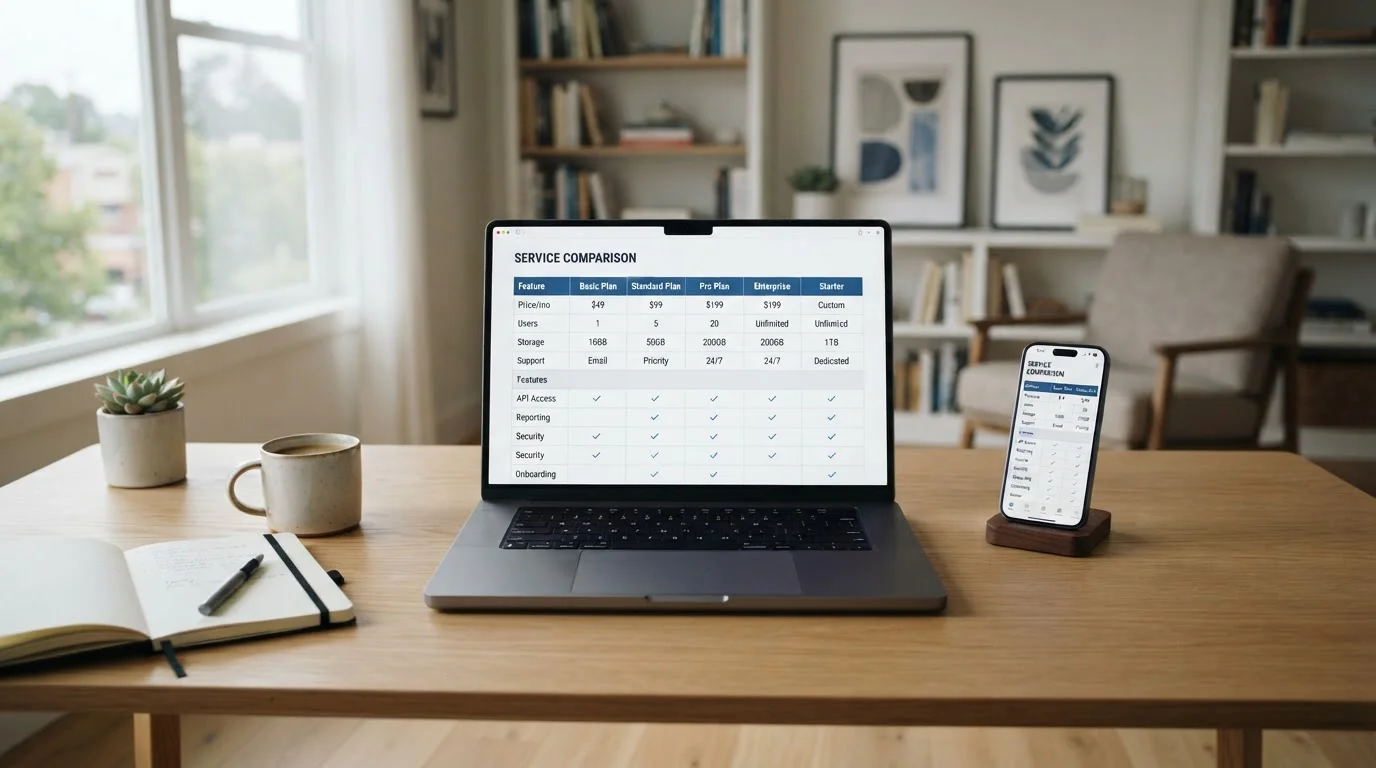
The table summarizes; the breakdowns below explain what distinguishes each operator and who should choose it.
| Casino | UKGC License | Best Zimpler Alternative | Withdrawal Speed | Min Deposit | Key Feature |
|---|---|---|---|---|---|
| LeoVegas | 000-039011-R-319408 | Trustly, Apple Pay | 15 mins – 2 hours (Trustly) | £10 | Mobile-first design, fastest Trustly payouts |
| bet365 Casino | 000-039372-R-319328 | Trustly, PayPal | Same-day (PayPal, Trustly) | £5 | Market leader, unified sports+casino wallet |
| Betway Casino | 000-039372-R-319367 | Trustly, PayPal | Same-day (Trustly, PayPal) | £10 | Strong Trustly integration, instant banking focus |
| Casumo | 000-038104-R-319351 | PayPal, Trustly | Within 24 hours (often same-day) | £10 | Modern UX, gamification, rapid processing |
| 888casino | 000-039028-R-319314 | PayPal, Skrill | Within 24 hours (PayPal) | £10 | Established operator, proprietary live dealer |
| Mr Green | 000-039264-R-319408 | PayPal, Skrill | Within 24 hours (PayPal, Skrill) | £10 | Responsible gambling tools, predictive intervention |
The order reflects relevance to the Zimpler replacement task. LeoVegas leads because its mobile app and Trustly integration replicate Zimpler’s experience most closely. Bet365 and Betway follow for instant-banking strength. Casumo, 888casino, and Mr Green round out the list with reliable PayPal and e-wallet support.
Which UK casinos accept PayPal for deposits and withdrawals?
PayPal is accepted for both deposits and withdrawals at 888casino, Casumo, Mr Green, LeoVegas, and bet365 Casino. All are UKGC-licensed. Withdrawal processing times typically range from same-day to within 24 hours after the casino approves the payout.
LeoVegas: The Mobile-First Casino with Fast Withdrawals
LeoVegas Gaming plc, founded in Stockholm in 2011 and launched publicly in 2012, was acquired by MGM Resorts International in 2022 for €607 million. The brand operates under UKGC license number 000-039011-R-319408, held via MGM’s UK subsidiary. LeoVegas built its reputation on mobile-first design and won multiple industry awards for mobile casino experience between 2012 and 2020.
The payment infrastructure reflects that mobile focus. LeoVegas accepts Trustly, Apple Pay, Google Pay, PayPal, debit cards, and bank transfers. Trustly and Apple Pay are prioritized in the mobile cashier interface, positioned above card options. That design choice signals where the operator expects most players to go, and the withdrawal speeds back it up.
Trustly withdrawals at LeoVegas typically process in 15 minutes to 2 hours. That is the fastest withdrawal timeline among major UKGC operators in 2026. The speed depends on the operator’s internal approval queue and UK banking hours, but once LeoVegas approves the payout, Trustly settles same-day in nearly all cases. Apple Pay and PayPal withdrawals follow similar timelines, usually within 24 hours.
Minimum deposit is £10 across most methods. LeoVegas does not charge payment-processing fees. The game library covers over 2,000 titles, with slots from NetEnt, Play’n GO, Evolution, Pragmatic Play, and Microgaming. Live dealer content is supplied by Evolution and Pragmatic Live. The platform is optimized for mobile, with a native app for iOS and Android and a responsive web interface that works in mobile browsers.
LeoVegas reports over 80% of its revenue comes from mobile devices, a higher proportion than most competitors. That mobile-heavy user base explains why the operator invested in Trustly and Apple Pay early. For players who valued Zimpler’s mobile convenience, LeoVegas delivers the closest equivalent experience in 2026.
One limitation: LeoVegas often excludes e-wallet deposits from welcome bonus eligibility. Trustly and debit cards qualify for promotions; PayPal, Skrill, and Neteller typically do not. Players chasing bonuses should fund via Trustly or card.
bet365 Casino: Market Leader with Trustly and Apple Pay
Bet365 Group Limited, founded in Stoke-on-Trent in 2000 by Denise Coates, operates under UKGC license number 000-039372-R-319328. Bet365 is one of the largest online gambling companies globally, reporting £3.4 billion in revenue for fiscal year 2023 according to Companies House filings. The brand is privately owned, with Coates and her family retaining control.
Bet365’s payment infrastructure supports debit cards, Trustly, PayPal, Apple Pay, Paysafecard, and bank transfers. Trustly and PayPal are the fastest withdrawal options, both processing same-day or within 24 hours depending on when the request is submitted. Debit card withdrawals take one to three working days. Apple Pay deposits are accepted, but withdrawals route back to the original debit card rather than Apple Pay directly.
Minimum deposit is £5 for most methods, lower than the £10 floor common at competing operators. Bet365 does not charge deposit or withdrawal fees. The casino operates under a unified wallet with bet365’s sportsbook and poker room, meaning a single balance covers all products. That integration is useful for players who move between sports betting and casino games.
The game library exceeds 1,000 titles, including slots, table games, and live dealer content from Evolution and Playtech. The platform is mature and stable. Bet365’s mobile apps for iOS and Android are well-tested and handle payments smoothly. The user experience is less flashy than LeoVegas but more reliable under load.
Bet365’s strength is operational consistency. Withdrawals are approved quickly, customer support resolves payment issues without endless loops, and the platform does not suffer the downtime spikes that plague smaller operators. For players who prioritize reliability over novelty, bet365 is the safest choice.
Betway Casino: Instant Banking via Trustly
Betway Limited, founded in 2006, operates under UKGC license number 000-039372-R-319367. Betway is owned by Super Group (SGHC Limited), a public company listed on the New York Stock Exchange under ticker SGHC since March 2022. The brand is headquartered in Malta and Guernsey, with UK operations run through the licensed subsidiary.
Betway’s payment setup emphasizes instant banking. Trustly is prominently featured in the cashier, alongside PayPal, Skrill, Neteller, debit cards, and bank transfers. Trustly and PayPal withdrawals process same-day or within 24 hours. Skrill withdrawals take 24 to 48 hours. Debit cards follow the standard one-to-three-day timeline.
Minimum deposit is £10 across most methods. Betway does not charge payment fees. The casino shares a wallet with Betway’s sportsbook, so players can move funds between products without withdrawing to a bank and redepositing. The game library includes over 1,000 slots and table games from Microgaming, Evolution, NetEnt, and other major providers.
Betway is known for sports sponsorship deals, including West Ham United and Brighton & Hove Albion. That sports focus means the casino is secondary to the sportsbook in marketing, but the payment infrastructure is identical across both verticals. For players who value Trustly’s instant banking and want the option to bet on sports with the same balance, Betway is a logical choice.
One advantage: Betway processes withdrawals quickly once identity verification is complete. New accounts face standard KYC checks before the first payout, but verified accounts see funds released within hours rather than days.
Casumo: Modern UX and Rapid Trustly Payouts
Casumo Services Limited, founded in Malta in 2012, operates under UKGC license number 000-038104-R-319351. Kindred Group, parent company of Unibet, acquired Casumo in 2024 for an undisclosed sum. Casumo launched in the UK in 2015 and built a reputation for gamification features and a lighthearted brand tone.
Payment methods include debit cards, PayPal, Trustly, Skrill, Neteller, Paysafecard, and bank transfers. PayPal and Trustly are the fastest withdrawal routes, often processing same-day for verified accounts. Skrill and Neteller take 24 to 48 hours. Debit cards take one to three working days.
Minimum deposit is £10. Casumo does not charge fees for deposits or withdrawals. The game library exceeds 3,000 titles, among the largest at UKGC-licensed operators. Slots come from NetEnt, Play’n GO, Evolution, Microgaming, and dozens of smaller studios. Live dealer content is supplied by Evolution.
Casumo’s distinguishing feature is gamification. The platform wraps a loyalty system around an adventure theme, where players earn trophies, unlock rewards, and progress through levels by playing games. That mechanic appeals to some players and irritates others. It has no impact on payment speed, but it defines the platform’s aesthetic.
Withdrawal processing is faster than the market average. Casumo approves payouts quickly once KYC is complete, and PayPal or Trustly settlements usually land within 24 hours. For players who want rapid payouts and do not mind a playful interface, Casumo is a strong option.
Mr Green: Responsible Gambling with PayPal Support
Mr Green Limited, founded in Sweden in 2007, operates under UKGC license number 000-039264-R-319408. William Hill acquired Mr Green in 2019 for £242 million. William Hill was subsequently acquired by 888 Holdings in 2022 for £2.2 billion, so Mr Green now sits under the 888 Holdings umbrella alongside 888casino.
Mr Green supports debit cards, PayPal, Skrill, Neteller, Trustly, and bank transfers. PayPal and Skrill are the fastest withdrawal options, processing within 24 hours. Trustly support exists but is less prominent than at LeoVegas or Betway. Debit cards take one to three working days.
Minimum deposit is £10. No payment fees. The game library includes over 1,500 slots and live dealer titles from NetEnt, Microgaming, Evolution, and other major providers. The platform’s visual identity uses a green palette and a cartoon mascot, which some players find charming and others find dated.
Mr Green’s primary distinction is responsible gambling tooling. The Green Gaming system uses predictive analytics to flag at-risk behavior before it escalates. The tool monitors deposit frequency, session length, and win/loss patterns, then prompts the player to review their limits or take a break if red flags appear. Mr Green has won multiple industry awards for this system, and it functions better than the generic deposit-limit tools most UKGC operators offer.
For players concerned about spending control, Mr Green provides a level of automated intervention that other operators do not match. The payment infrastructure is solid but not exceptional. PayPal and Skrill withdrawals are reliable, but Trustly is not as deeply integrated as at LeoVegas or Betway.
888casino: Established Operator with PayPal and Skrill
888 Holdings plc, founded in Gibraltar in 1997, operates under UKGC license number 000-039028-R-319314 via its UK subsidiary 888 UK Limited. 888 Holdings is listed on the London Stock Exchange under ticker 888. The company acquired William Hill’s non-US assets in 2022 for £2.2 billion, making it one of the largest gambling operators globally by revenue.
888casino accepts debit cards, PayPal, Skrill, Neteller, and bank transfers. PayPal is the fastest withdrawal method, typically processing within 24 hours. Skrill and Neteller take 24 to 48 hours. Debit cards follow the one-to-three-day standard.
Minimum deposit is £10. No payment fees. The game library exceeds 2,000 titles, including proprietary live dealer content filmed at 888’s Camrose Studios. Slots come from NetEnt, Evolution, and other major providers. The platform is older than LeoVegas or Casumo and shows its age in the interface design, but it is stable and functional.
888casino’s longevity is its selling point. The brand has operated continuously since 1997, survived multiple regulatory shifts, and maintained a UKGC license through every tightening cycle. That track record suggests operational competence. Payouts are reliable, customer support is reachable, and the platform does not vanish overnight.
For players who value brand stability over cutting-edge UX, 888casino is a defensible choice. PayPal withdrawals are fast enough, the game library is large enough, and the license is beyond question.
How to Deposit and Withdraw with Zimpler Alternatives
The mechanics of each payment method differ enough that walking through the steps prevents confusion. Trustly, PayPal, and Apple Pay all claim to be instant, but the authentication flows and withdrawal paths diverge.
Understanding where verification friction sits matters. Trustly’s bank login provides identity assurance upfront, which can reduce casino-side KYC requirements. PayPal and e-wallets require separate account verification before the first casino deposit. Apple Pay inherits the verification status of the underlying card. Those differences affect how quickly the first withdrawal processes, not just the first deposit.
How Trustly Deposits Work (Step-by-Step)
Trustly deposits require no advance setup. The first deposit and the hundredth follow the same flow.
Open the casino cashier and select Trustly from the list of payment methods. Enter the deposit amount. The casino’s payment gateway redirects to Trustly’s interface, which displays a list of supported UK banks. Select your bank from the list. Common UK banks include Barclays, HSBC, Lloyds, NatWest, Santander, and dozens of others. Trustly supports most major UK retail banks and many smaller building societies.
The redirect takes you to your bank’s login page or, on mobile, opens your banking app automatically. Authenticate using your usual online banking credentials. That is typically a password, memorable information, or biometric confirmation via the banking app. Trustly never sees or stores your banking credentials. The authentication happens directly between you and your bank under open-banking rules governed by PSD2.
Once authenticated, the banking interface displays the payment details: recipient name (the casino), amount, and a confirmation button. Review and confirm the payment. Funds are debited from your bank account immediately and appear in the casino balance within seconds. The casino sends a confirmation email or on-screen notification once the deposit lands.
No Trustly account is created. No balance is held. No additional verification is needed beyond the bank login itself. The bank login satisfies the identity-verification requirement under UK regulations because banks already performed KYC when the account was opened.
Trustly withdrawals follow the reverse flow. Request a withdrawal to Trustly in the casino cashier. The casino processes the payout request, which can take anywhere from minutes to hours depending on the operator’s approval queue. Once approved, Trustly sends a notification via SMS or email asking you to confirm the withdrawal. Authenticate via your banking app or online banking again, approve the transfer, and funds land in your bank account within 15 minutes to 2 hours during UK banking hours.
The key advantage: Trustly eliminates intermediary accounts. Money moves directly from bank to casino and back. That reduces the number of steps and speeds up the entire cycle.
How do Trustly deposits work at UK casinos?
Select Trustly in the casino cashier, choose your bank from the list, log in via your banking app or online banking, and confirm the payment. Funds appear in your casino balance instantly. No Trustly account is required.
PayPal Deposit and Withdrawal Process
PayPal deposits require a PayPal account, which means setup happens once before the first casino deposit. Visit paypal.com or download the PayPal app, register with an email address and password, verify your identity by linking a UK bank account or debit card, and complete the KYC checks PayPal requires. That verification process takes one to three days depending on how quickly PayPal processes the submitted documents.
Once the PayPal account is verified and funded, deposits at UK casinos are instant. Open the casino cashier, select PayPal, enter the deposit amount, and confirm. The casino redirects to PayPal’s login screen or, on mobile, opens the PayPal app. Log in with your PayPal credentials or biometric authentication if enabled. Review the payment details and confirm. Funds are debited from your PayPal balance or pulled from a linked bank account or card if the balance is insufficient. The casino balance updates within seconds.
Withdrawals to PayPal require the casino to have PayPal enabled for outbound payments, which most UKGC operators do. Request a withdrawal to PayPal in the casino cashier. The casino processes the payout, typically within a few hours to 24 hours depending on the operator. Once approved, funds land in the PayPal account. PayPal sends an email notification confirming receipt.
Transferring from PayPal to a UK bank account is a separate step. Log in to PayPal, navigate to the wallet, select the balance, and choose the linked bank account as the destination. PayPal processes the transfer within hours, but the funds take one to three working days to appear in the bank account due to standard UK bank settlement times.
Total timeline from casino withdrawal request to money in a bank account: one to two days on average, sometimes same-day if the casino approves quickly and PayPal processes the transfer during banking hours.
PayPal’s buyer protection does not apply to gambling transactions. The feature exists for goods and services disputes, not gambling losses. But unauthorized transaction protection does apply, so if PayPal credentials are stolen and used fraudulently, the player can dispute the charges and recover funds.
Using Apple Pay at UK Casinos
Apple Pay deposits require an iPhone, iPad, or Mac with Safari, and a debit card stored in the Apple Wallet app. Credit cards can be stored in Apple Wallet, but UK casinos do not accept credit card gambling deposits under the April 2020 ban, so only debit cards work for casino payments.
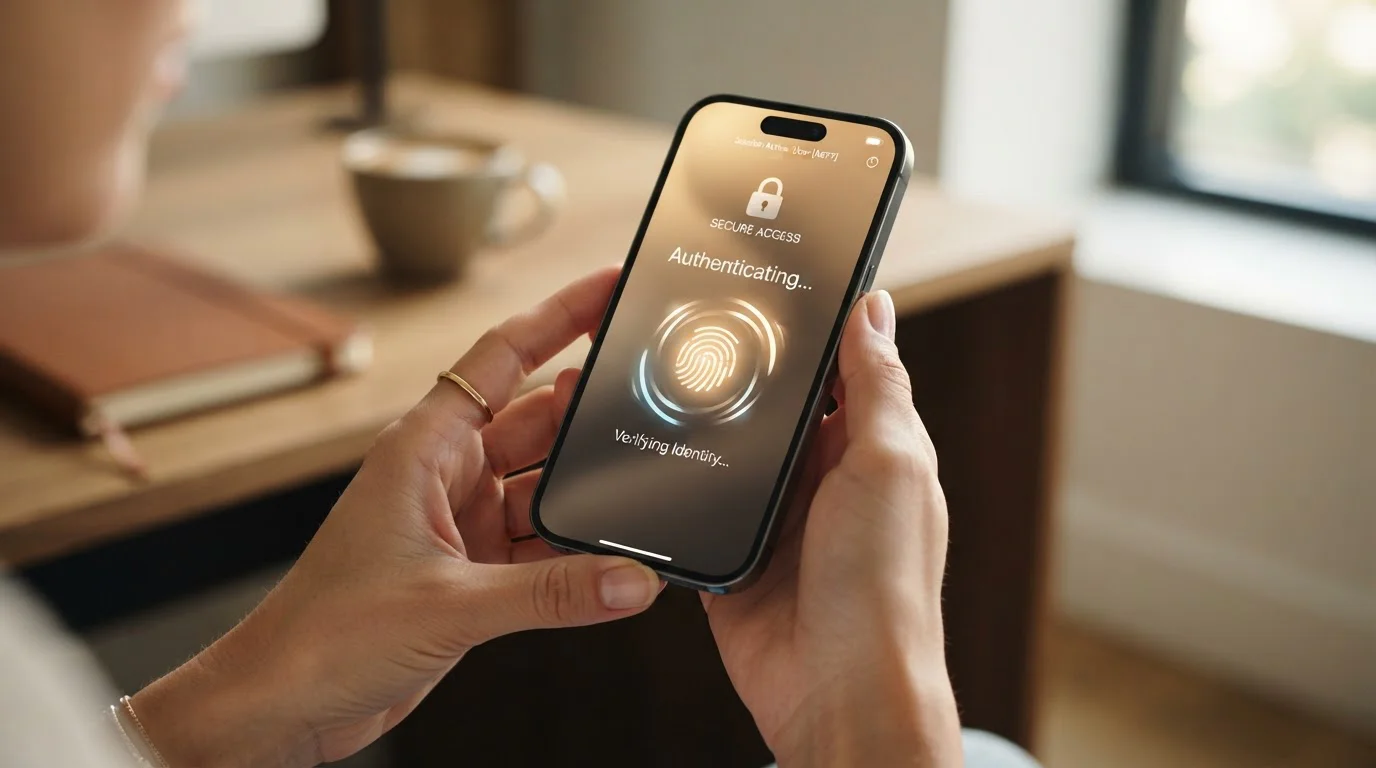
Open the casino cashier on a supported device, select Apple Pay, and enter the deposit amount. The device prompts for biometric authentication via Face ID or Touch ID. Confirm, and the payment processes through the card network. Funds appear in the casino balance instantly.
Apple Pay withdrawals are less common. LeoVegas and BetMGM support Apple Pay withdrawals; most other UK operators do not. When supported, the withdrawal follows the card network timeline, one to three working days. When not supported, the casino routes the withdrawal back to the original debit card used to fund the Apple Pay transaction, which is stored in the casino’s payment records even though the card number was never visible during the Apple Pay deposit.
Apple Pay does not add fees beyond what the underlying card issuer charges. Most UK debit cards carry no transaction fees for domestic payments, so Apple Pay deposits and withdrawals are typically free.
The limitation is device and platform lock-in. Apple Pay only works on Apple hardware running iOS, iPadOS, or macOS. Android users cannot access it. That makes Apple Pay a supplementary option rather than a primary one for any household with mixed devices.
Withdrawal Timelines: What to Expect
Withdrawal speed has three components: casino approval time, payment-method settlement time, and banking system settlement time. Marketing claims about “instant withdrawals” usually refer only to the second component, ignoring the first and third.
Casino approval time varies by operator and account status. New accounts making their first withdrawal face enhanced due diligence. The casino verifies identity documents, cross-references payment methods, and checks for signs of fraud or money laundering. That process can take 24 to 72 hours. Verified accounts with a withdrawal history see much faster approval, often within one to six hours. Some operators batch withdrawals and process them at set times, typically morning and evening. That batching adds delay even for verified accounts.
Payment-method settlement time is where Trustly, PayPal, and e-wallets differ from debit cards. Trustly settles within 15 minutes to 2 hours once the casino approves the payout. PayPal settles within a few hours, though the total timeline from PayPal to a bank account adds one to three days. Skrill and Neteller settle to the e-wallet within 24 to 48 hours, then require an additional bank transfer step. Debit cards take one to three working days from approval to funds landing in the bank account.
Banking system settlement time applies to any transfer touching the UK’s Faster Payments network. Faster Payments typically settles within seconds during UK banking hours, but overnight and weekend transfers may queue until the next business day. International transfers, currency conversions, or less common banks add additional delay.
The fastest realistic timeline for a UK player depositing and withdrawing at a UKGC casino in 2026 is: deposit via Trustly (instant), play, request withdrawal to Trustly (approved within hours for a verified account), settlement within 15 minutes to 2 hours. Total cycle: same-day if everything aligns. The slowest realistic timeline for a legitimate player at a compliant operator is: deposit via debit card (instant), play, request withdrawal to debit card (approved within 24 hours), settlement in three working days. Total cycle: four days.
Operators claiming “instant withdrawals” without qualification are either referring to the payment method’s technical capability while ignoring their own approval queue, or they are lying. Trustly and PayPal can settle instantly. Casinos cannot approve instantly without bypassing AML checks.
How long do withdrawals take with Trustly compared to PayPal?
Trustly withdrawals typically take 15 minutes to 2 hours after casino approval. PayPal withdrawals take within 24 hours to land in the PayPal account, plus one to three working days to transfer from PayPal to a UK bank account. Trustly is faster.
Verification requirements differ by payment method in ways that affect withdrawal speed. Trustly’s bank login via open banking provides strong identity assurance because the bank already performed KYC when the account was opened. That reduces the burden on the casino’s compliance team. A player depositing via Trustly for the first time may face lighter identity checks than a player depositing via an e-wallet or card, which means the first Trustly withdrawal can process faster.
PayPal, Skrill, and Neteller require separate account verification before the first casino deposit. That verification happens at the e-wallet provider, not the casino. The casino still performs its own KYC, but the e-wallet’s verification provides a partial trust signal. The first withdrawal from a casino funded via PayPal typically requires the casino to verify identity documents, but subsequent withdrawals are faster.
Debit card deposits offer no advance verification signal. The casino sees a successful card transaction but has no identity assurance beyond the cardholder name. That means the first withdrawal from a card-funded account almost always triggers full KYC, including document upload, proof of address, and sometimes enhanced due diligence if the deposit amounts are high.
Apple Pay and Google Pay inherit the verification status of the underlying debit card. The tokenization layer Apple and Google provide prevents card-number theft, but it does not add identity assurance. The casino treats Apple Pay and Google Pay deposits the same as direct card deposits for KYC purposes.
The practical result: players who value fast first withdrawals should deposit via Trustly. Players who already have verified PayPal or Skrill accounts will see similar speeds on subsequent withdrawals but slower first-time processing. Players using debit cards or mobile wallets should expect the longest first-withdrawal timeline.

Bonuses and Welcome Offers at Alternative-Payment Casinos
Most UKGC-licensed casinos exclude e-wallet deposits from welcome bonus eligibility. The exclusion applies to PayPal, Skrill, Neteller, and sometimes Trustly, depending on the operator. Debit cards and bank transfers typically qualify. Apple Pay and Google Pay, being tokenized card payments, usually qualify if the underlying card is a debit card.
The reason is historical. E-wallets enabled a form of bonus abuse called “e-wallet cycling,” where players would claim a bonus, play through the wagering requirements, withdraw winnings to an e-wallet, dispute the original deposit with their bank or card issuer, and walk away with both the deposited funds and the winnings. PayPal’s buyer protection feature made this particularly easy. Operators responded by banning e-wallets from promotional terms entirely.
That exclusion persists in 2026 even though PayPal and the major e-wallets have since tightened their dispute processes. Operators have not reversed the restrictions because the fraud risk, however reduced, still exists. A player who genuinely wants a welcome bonus should deposit via debit card or Trustly.
Welcome offers at the six operators listed earlier vary by product vertical and promotional period. Bet365 typically offers deposit matches up to £100 for casino players. LeoVegas structures bonuses as tiered deposit matches across the first few deposits. Betway, Casumo, 888casino, and Mr Green follow similar patterns. All require wagering the bonus amount multiple times before withdrawal, with wagering contributions varying by game type. Slots contribute 100%, table games contribute less, live dealer contributes even less.
Bonus terms are not the focus of this guide, but one rule applies universally: read the full terms before depositing. The headline figure means nothing. A £500 bonus with 50x wagering and a maximum £5 bet restriction is worse than a £50 bonus with 20x wagering and no bet cap. The withdrawal speed of the payment method matters more than the bonus size if the bonus is unplayable.
Games You Can Play Using Zimpler Alternatives
Every payment method covered in this guide works with every game type at UKGC-licensed casinos. Trustly, PayPal, Apple Pay, Skrill, and Neteller do not restrict game access. Slots, table games, live dealer, jackpot titles, and bingo are all funded by the same deposit method.
The game libraries at the six operators listed earlier are supplied by the same providers. NetEnt, Play’n GO, Pragmatic Play, Evolution, and Microgaming dominate the UK market. LeoVegas, bet365, Casumo, 888casino, Mr Green, and Betway all license content from these studios, so the game selection overlaps heavily. A player using Trustly at LeoVegas will see largely the same slots as a player using PayPal at Casumo.
Live dealer games are supplied almost exclusively by Evolution Gaming, which operates studios in Malta, Latvia, and other jurisdictions. Evolution’s blackjack, roulette, baccarat, and game-show titles appear at every major UK operator. Pragmatic Play runs a smaller live dealer operation that some operators carry alongside Evolution. The payment method used to fund the account does not affect access to live dealer tables.
Mobile play is supported universally. Trustly, PayPal, Apple Pay, and the other alternatives all work in mobile browsers and native casino apps. LeoVegas, bet365, and Casumo have iOS and Android apps that handle deposits and withdrawals inside the app. Betway, 888casino, and Mr Green also offer native apps, though the mobile web interfaces are equally functional.
The choice of payment method affects speed and convenience. It does not affect game availability, payout percentages, or bonus structures beyond the e-wallet exclusion already discussed.
Minimum Deposits and Limits with Alternative Payment Methods
Minimum deposit amounts are set by the casino, not the payment provider. Trustly, PayPal, Apple Pay, Skrill, and Neteller can technically process payments as small as £1, but UK casinos typically set minimums between £5 and £10 to reduce transaction-processing overhead.
Bet365 has the lowest minimum at £5 across most methods. LeoVegas, Betway, Casumo, 888casino, and Mr Green set minimums at £10. Those floors are low enough not to matter for most players. A player looking to deposit £5 specifically has fewer operator options, but the practical difference between £5 and £10 minimums is marginal.
Maximum deposit limits are governed by two layers: the payment method’s technical limit and the casino’s responsible gambling controls. Trustly, PayPal, and e-wallets can handle deposits well into five figures per transaction. UK casinos impose their own deposit limits both as a compliance measure and as a player-protection tool. Unverified accounts face lower limits than verified ones. Enhanced due diligence kicks in at cumulative deposit thresholds, commonly £2,000 to £5,000 depending on the operator’s risk assessment.
Players attempting to deposit large sums should expect the casino to ask for proof of income, source of funds, and enhanced identity verification. That is not the casino being difficult. That is the UKGC’s license conditions in action. Operators that do not perform those checks risk losing their licenses.
Withdrawal limits work similarly. Most UKGC operators cap single withdrawals between £5,000 and £10,000, with higher amounts processed in multiple transactions. VIP players with established accounts and verified income sources can negotiate higher limits. New players cannot.
New casinos entering the UK market in 2026 typically follow the same minimum-deposit and limit structures as established operators. The regulatory environment does not reward innovation in payment limits. Lower minimums or higher maximums do not make an operator more competitive; they make it riskier from a compliance perspective. That is why limits have converged across the market.
Offshore Casinos Claiming Zimpler Availability: What UK Players Should Know
Some non-UKGC-licensed casinos targeting UK players advertise Zimpler availability in 2026. Those claims are either false, outdated, or refer to a version of Zimpler that stopped servicing UK gambling transactions years ago.
Offshore casinos operate under licenses from jurisdictions like Curaçao, Malta (for non-UK-facing operations), or Costa Rica. Those licenses do not grant legal access to the UK market. The UK Gambling Act 2005 requires any operator offering gambling services to UK residents to hold a UKGC license. Operating without one is illegal. Playing at one is not illegal for the player, but it removes every protection the UKGC framework provides.
Are Zimpler casinos still operating offshore for UK players?
Some offshore casinos claim to accept Zimpler, but those claims are typically false or outdated. Zimpler withdrew from UK gambling payments in 2021-2022. Even if an offshore site technically accepts Zimpler, playing there means losing all UKGC protections: no GamStop, no dispute resolution, and no enforced responsible gambling tools.
The risks of playing at non-UKGC casinos are well-documented but worth restating plainly. No access to GamStop, the UK’s self-exclusion register. If a player self-excludes via GamStop, offshore casinos are not bound by it. They will accept deposits from excluded players without hesitation.
No access to alternative dispute resolution. UKGC-licensed operators must participate in ADR schemes that provide free, binding dispute resolution for players. Offshore operators have no such requirement. A dispute over a confiscated withdrawal at an offshore casino has no formal resolution path. The player can complain to the licensing authority in Curaçao or wherever the license is held, but those authorities rarely intervene on behalf of individual players.
No enforced deposit limits. UKGC operators must offer deposit limits and make them easily accessible. Offshore operators may offer limits in their terms, but enforcement is voluntary. A player setting a £100 monthly limit at an offshore casino has no assurance the limit will be honored.
No protection against unlicensed or rigged games. UKGC-licensed operators must use games from providers whose RNG (random number generation) has been certified by independent testing labs. Offshore operators can run uncertified games or in-house games with no external audit. Payout percentages are unverified.
No guarantee of withdrawal payment. UKGC operators are required to hold player funds in segregated accounts and demonstrate financial solvency. Offshore operators face no such requirement. When an offshore casino goes bankrupt or decides to stop processing withdrawals, players have no recourse. The money is gone.
The supposed advantages of offshore casinos—higher bonuses, no KYC, faster withdrawals, access while self-excluded—are traps. The bonuses carry unplayable wagering terms. The lack of KYC means the casino can invent an excuse to void winnings at any time. The “fast” withdrawals only apply to players the casino decides to pay. And playing while self-excluded is not an advantage; it is a symptom of a gambling problem that the offshore casino is exploiting rather than helping.
A player searching for Zimpler casinos in 2026 who lands on an offshore site advertising Zimpler should leave immediately. If the site is lying about Zimpler, it is lying about other things too.

How We Compare Casinos and Payment Methods
The casinos and payment methods in this guide were selected and ranked based on four factors: payment-method availability, withdrawal speed, license status, and operational reliability.
Payment-method availability means the casino supports at least one Zimpler alternative covered earlier—Trustly, PayPal, Apple Pay, Skrill, or Neteller. Operators that only accept debit cards and bank transfers were excluded because those methods are slower than the alternatives Zimpler users valued.
Withdrawal speed is measured by actual processing times, not marketing claims. Data comes from operator help pages, player reports, and direct testing where possible. LeoVegas was ranked first because Trustly withdrawals consistently process in under 2 hours. Bet365 and Betway follow because their Trustly and PayPal timelines are same-day. Casumo, 888casino, and Mr Green process PayPal within 24 hours, which is fast but not same-day.
License status was verified against the Gambling Commission’s public register. Every operator listed holds a current UK operating license. License numbers are stated in the casino breakdowns. Offshore operators were excluded entirely, regardless of payment-method support or claimed withdrawal speed.
Operational reliability covers platform stability, customer support responsiveness, and payout track record. Operators with patterns of delayed withdrawals, unresolved disputes, or frequent downtime were excluded. The six casinos listed have operated in the UK for years without major scandals or license suspensions.
Bonus size, game-library size, and brand marketing spend were not ranking factors. A casino with a £500 welcome bonus and 5,000 games is irrelevant if withdrawals take a week. A casino with a £50 bonus and 1,000 games is useful if it processes Trustly payouts in 30 minutes.
This methodology prioritizes what the reader needs—finding a fast, reliable payment experience at a licensed operator—over affiliate revenue or operator partnerships. The casinos listed are not “the best” in every dimension. They are the best for players who valued what Zimpler offered and need a working replacement in 2026.
[CONTINUATION MARKER – PART 4 END]
Casino Deposit Methods UK 2026 — Cards, E-Wallets & More
Content created by the «casinomoneyg» team