
Pay by Mobile Casinos UK 2026: Which Sites Accept Phone Bill Deposits and How They Work
 Available in US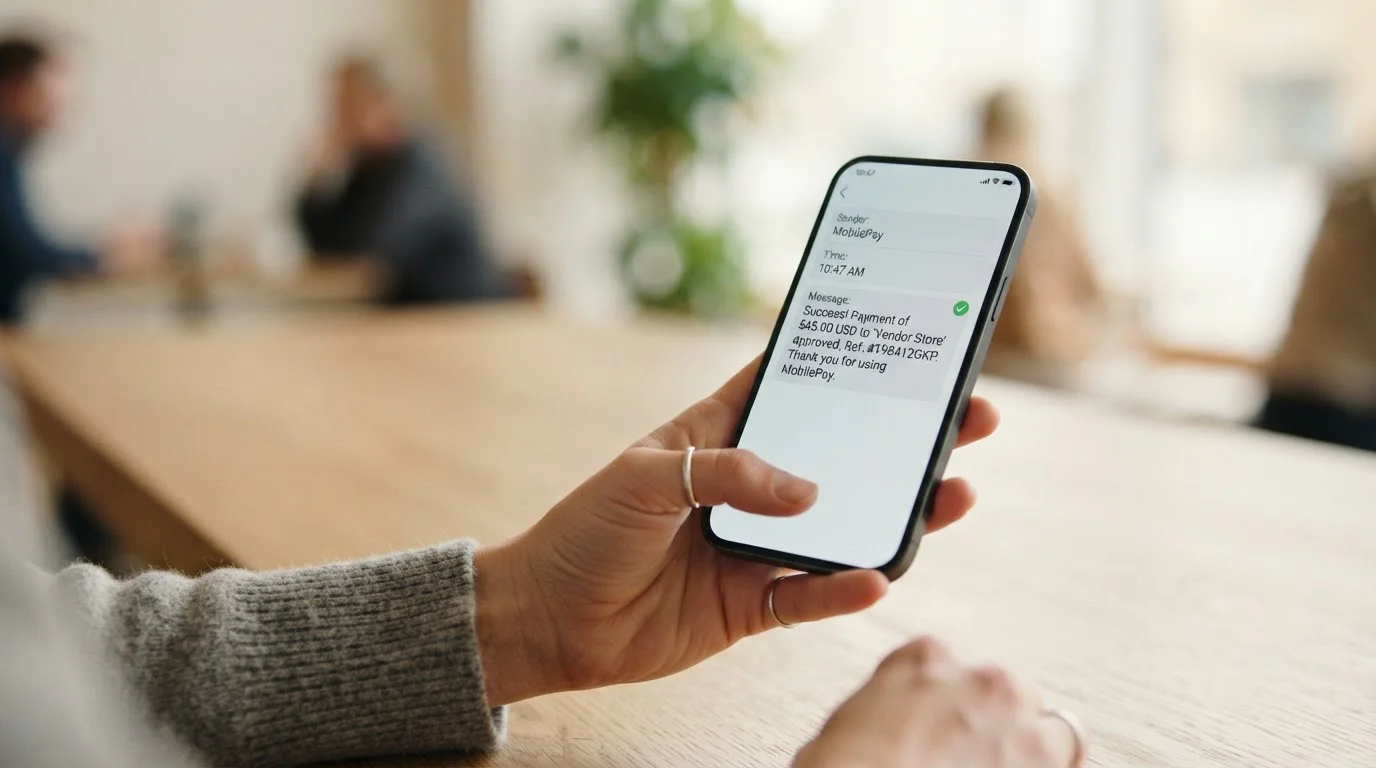
Depositing at a UK casino via your phone bill sounds frictionless until you hit the £30 daily cap, discover withdrawals don’t work the same way, and realise your MVNO might not support gambling transactions at all. Pay by mobile is fast and convenient for small-stakes players who don’t want to share card details, but it comes with constraints that marketing pages skim over.
This guide covers which UKGC-licensed casinos accept pay-by-mobile deposits in 2026, how Boku and Payforit actually work under the hood, what the September 2026 deposit limit rules mean for phone bill payments, and which mobile networks play nicely with carrier billing. You’ll also find operator-by-operator breakdowns, withdrawal workarounds, and the regulatory picture tying the UK Gambling Commission to the Phone-paid Services Authority.
What Is Pay by Mobile Casino Deposits?
Pay by mobile lets you fund a casino account by charging the deposit to your monthly phone bill or deducting it from your pay-as-you-go balance. No card details, no e-wallet login—just your mobile number, an SMS confirmation, and instant credit in your casino balance.
The method runs through carrier billing processors like Boku, Payforit, or Fonix. When you select pay by mobile at the cashier, the casino’s payment gateway connects to your network’s billing system. You receive an SMS with a PIN or confirmation link, approve the transaction, and the amount appears in your casino account within seconds. Contract customers see the charge on their next phone bill; PAYG users have it deducted immediately from available balance.
Here’s the catch: pay by mobile is deposit-only by design. Mobile networks bill customers—they don’t pay out. Casinos must verify an alternative withdrawal method (debit card, PayPal, bank transfer) before your first cashout, and that method handles all future withdrawals. The regulatory reason is straightforward: the Phone-paid Services Authority governs carrier billing for purchases and subscriptions, not disbursements. No processor holds a license to reverse-bill a mobile account for gambling winnings.
How Pay by Mobile Works (Step-by-Step)
Log into a UKGC-licensed casino that supports pay by mobile. Navigate to the cashier and select “Pay by Mobile,” “Boku,” or “Payforit” as your deposit method. Enter the amount (typically £10 to £30) and your mobile phone number. The casino’s gateway sends an SMS to that number containing a one-time PIN or confirmation link. Open the message, enter the PIN in the casino cashier or tap the link to approve. Confirmation arrives instantly—the deposit lands in your casino balance, and the charge is added to your phone bill or deducted from PAYG credit.
Transaction times are fast. Approval-to-credit takes under 60 seconds in most cases. The casino absorbs processing fees—players see no merchant charges. Your phone provider’s standard billing cycle applies: contract users pay when the monthly bill arrives, PAYG users see the deduction immediately.
How do I deposit at a UK casino using my mobile phone bill?
Choose a UKGC-licensed casino that lists Boku, Payforit, or Fonix at the cashier. Select pay by mobile, enter your phone number and deposit amount (£10–£30), then confirm via SMS. The charge appears on your next phone bill or is deducted from prepaid balance instantly. No card or bank account needed.
Contract Billing vs Pay As You Go
Contract customers typically have higher daily limits—£30 to £40 depending on the network. PAYG users often face tighter caps, sometimes £10 per transaction, because the network enforces real-time balance checks. If your prepaid credit sits below the deposit amount, the transaction fails.
PAYG deposits deduct instantly. Contract billing accumulates charges through the month and settles on your statement. Both methods hit the same network-level caps: Boku enforces £30 per transaction, £30–£40 daily, and £240–£300 monthly across most UK carriers. These are hard limits set by mobile operators, not casinos. Exceeding them means waiting for the next billing cycle or switching to a different payment method.
Some networks let contract users spread gambling charges across the month without triggering an immediate balance hold. PAYG requires the full amount upfront, so micro-budget players (<£10) sometimes find PAYG restrictive if they want multiple small sessions per day.
Boku, Payforit, and Fonix Explained
Boku dominates the UK pay-by-mobile market. Founded in 2008, publicly traded on NYSE, and integrated with EE, O2, Vodafone, and Three. When a casino lists “pay by mobile” without naming the processor, it’s usually Boku. Limits: £30 per transaction, £30–£40 daily, £240–£300 monthly. SMS confirmation mandatory under PSA Code v15.
Payforit is the legacy brand for carrier billing in the UK. Most operators have absorbed Payforit functionality into their own billing systems or migrated to Boku. The term still appears at some casino cashiers, but functionally it routes through the same rails as Boku or direct operator billing. Limits mirror Boku’s.
Fonix is the third processor option, less common than Boku but present at select operators. Processing flow and regulatory framework identical. Limits similar: £30/transaction, capped daily/monthly by network. Fonix powers “Pay By Mobile” as a white-label service for casinos that want an alternative to Boku’s platform fees.
All three operate under Phone-paid Services Authority regulation. The PSA’s Code v15 mandates SMS verification, spending caps, and merchant compliance checks. A casino offering pay by mobile must hold both a UKGC remote gambling license and a PSA-compliant payment gateway contract.
What’s the difference between Boku, Payforit, and Fonix?
All three are carrier billing processors connecting UK casinos to mobile network payment systems. Boku is the market leader with the widest casino support. Payforit is a legacy label now largely absorbed into direct operator billing. Fonix is a white-label alternative to Boku. Transaction limits and SMS confirmation requirements are identical across all three.

Best Pay by Mobile Casinos UK 2026
These UKGC-licensed operators accept pay-by-mobile deposits via Boku or Payforit. All support instant SMS-confirmed transactions, enforce the £30 daily cap, and require alternative withdrawal methods. The rankings reflect mobile-specific strengths: app quality, payout speed, bonus structures compatible with phone bill deposits, and transparent terms.
| Operator | UKGC Licence | Welcome Bonus | Withdrawal Speed | Minimum Deposit | Key Feature |
|---|---|---|---|---|---|
| MrQ | 39108 | Wager-free spins | 60 seconds | £10 | Zero wagering policy |
| PlayOJO | Active | No-wager bonus | 24 hours | £10 | Kicker cashback |
| Duelz | Active | Match + free spins | 1–3 days | £10 | Gamified duels |
| Dream Vegas | Active | 100% up to £50 + 50 FS | 3–5 days | £10 | Vegas-themed, 1,000+ games |
| Casimba | Active | Match bonuses | 3–5 days | £10 | 2,000+ game library |
| Fruity King | Active | 100% up to £100 + 50 FS | 3–5 days | £10 | 10x wagering (low) |
| MogoBet Casino | Active | 100% up to £50 + 20 FS | 3–5 days | £10 | Mobile-responsive |
| Great Britain Casino | Active | 100% up to £200 | 3–5 days | £10 | High bonus cap, 65x wagering |
Which UK casinos accept pay-by-mobile deposits in 2026?
MrQ, PlayOJO, Duelz, Dream Vegas, Casimba, Fruity King, MogoBet Casino, and Great Britain Casino all accept pay by mobile via Boku or Payforit. All hold active UKGC remote casino licenses, support £10 minimum deposits, and process phone bill payments instantly with SMS confirmation.
MrQ Casino
MrQ launched in 2018 under Lindar Media Limited, UKGC licence 39108. The operator’s defining feature is its wager-free policy: free spins and bonus cash carry no rollover requirements. Deposit £10, receive 20 wager-free spins, and withdraw winnings immediately. No 35x trap, no contribution-weighted game restrictions, no bonus-term archaeology.
The game library runs to 3,000+ slots from Pragmatic Play, NetEnt, Microgaming, Play’n GO, and Hacksaw Gaming. Bingo rooms offer 90-ball and 75-ball variants with tickets from 1p. Evolution powers the live casino. Mobile app available for iOS and Android. Pay-by-mobile deposits via Boku, £10 minimum, instant confirmation.
MrQ advertises 60-second withdrawals via debit card for fully verified accounts. In practice, first-time withdrawals trigger KYC (passport or driving licence, proof of address), which adds 24–48 hours. Repeat withdrawals hit your card inside 60 seconds if no affordability checks apply. This speed advantage makes MrQ the strongest pick for players who value quick access to winnings after depositing by phone bill.
The catch: bonus generosity is modest compared to match-heavy competitors. MrQ’s £10 deposit yields 20 wager-free spins, while Fruity King’s £10 triggers a 100% match up to £100 plus 50 spins. Trade-off is transparent—MrQ bets on fair terms over headline numbers.

PlayOJO Casino
PlayOJO operates under SkillOnNet Limited’s UKGC licence, launched in the UK market in 2017. The casino’s signature is its no-wagering-requirement model: every bonus, every free spin, every promotional credit is wager-free. Deposit, play, withdraw. No rollover fine print.
The game count sits at 3,000+ titles. NetEnt, Play’n GO, Microgaming, Pragmatic Play supply slots. Evolution handles live dealer tables. The Kicker feature returns cashback on every spin—win or lose, you accrue a small percentage that feeds into your real-money balance. Mobile app for iOS and Android. Pay-by-mobile support via Boku, £10 minimum.
Withdrawal times average 24 hours for e-wallets (PayPal, Skrill), 3–5 working days for debit cards. Faster than many competitors but slower than MrQ’s 60-second claim. PlayOJO’s strength lies in bonus transparency, not payout speed. Players who deposit by phone bill and want fair terms without studying 12-page T&Cs find the model useful.
The library is large but not cutting-edge. New releases arrive a few weeks after launch at more aggressive operators. For players chasing the latest Pragmatic Play drop on day one, PlayOJO isn’t first in line. For players who want a deep back-catalogue and straightforward bonus rules, it works.
Duelz Casino
Duelz is a SkillOnNet network brand, UKGC-licensed, with a gamification layer on top of the standard casino offering. Players challenge each other to slot duels—pick a game, set a wager, compete for the highest win multiplier. Winner takes the pot. Leaderboards, XP progression, achievement badges.
The core library matches PlayOJO’s: SkillOnNet’s multi-brand catalogue, Evolution live casino, NetEnt and Pragmatic Play slots. Mobile app and responsive site. Pay-by-mobile via Boku, £10 minimum. Withdrawal times 1–3 working days depending on method.
The gamification appeals to players bored with static solo spins. Duels add a competitive edge. The XP system unlocks rewards as you play—bonus spins, cashback boosts, priority support. Players who don’t care about leaderboards or peer competition will find Duelz functionally identical to PlayOJO minus the Kicker cashback.
Welcome bonus structure varies by promotion period. Typical offer: 100% match up to £50 plus free spins, 10x wagering. Not wager-free like PlayOJO or MrQ, but the rollover is lower than industry average (35x). Phone bill deposits qualify for the welcome offer, though some Boku-funded deposits are excluded during bonus-abuse crackdowns—check the live T&Cs before depositing.
Dream Vegas Casino
Dream Vegas operates under White Hat Gaming Limited, part of the Mansion Group. UKGC-licensed, Vegas-themed branding, 1,000+ games. Welcome offer: 100% bonus up to £50 plus 50 free spins on selected slots. Evolution live casino, NetEnt and Microgaming slots, Pragmatic Play drops. Mobile-optimized site, no standalone app at time of review.
Pay-by-mobile via Boku, £10 minimum. Withdrawal times 3–5 working days for debit cards, 24 hours for e-wallets. Standard speed, nothing remarkable. The casino’s strength is its game library size and 24/7 live chat support. Weaknesses: wagering requirements sit at 35x for the welcome bonus, and phone bill deposits sometimes excluded from certain promos (flagged in T&Cs as “Deposits via Boku not eligible for this offer”).
Dream Vegas suits players who want a large game selection and don’t mind mid-tier wagering. The £50 bonus cap is modest—high rollers will exhaust it in minutes—but pay-by-mobile players rarely deposit more than £30 per day anyway, so the cap aligns with the payment method’s limitations.
Customer support responds fast. KYC verification takes 24–48 hours for new accounts. Repeat players report smooth withdrawals once verified. The Vegas theme is cosmetic—don’t expect exclusive Vegas-branded slots or unique mechanics, just standard fare with neon graphics.
Casimba Casino
Casimba runs on the White Hat Gaming platform, UKGC-licensed, 2,000+ game library. NetEnt, Microgaming, Pragmatic Play, Evolution, Play’n GO. The casino positions itself as a volume play: deep catalogue, frequent promotions, reload bonuses every week. Mobile-responsive site, pay-by-mobile via Boku, £10 minimum.
Welcome bonus: typically a multi-tier match package (100% first deposit, 50% second, etc.) with free spins. Wagering 35x. Phone bill deposits eligible, though Boku-funded accounts sometimes face bonus restrictions during high-abuse periods—verify in the cashier before depositing.
Withdrawal times 3–5 working days for cards, 24 hours for e-wallets. KYC required on first withdrawal. Casimba’s edge over Dream Vegas is catalogue size (2,000 vs 1,000) and reload frequency. Players who deposit £10–£30 daily via phone bill benefit from regular small-bonus drops rather than a one-time welcome package.
The downside: bonus terms are verbose. Multi-tier packages mean tracking which deposit you’re on and which wagering applies. Players who want simplicity will find MrQ or PlayOJO cleaner. Players who enjoy bonus hunting and don’t mind reading terms will extract value from Casimba’s volume approach.
Fruity King Casino
Fruity King is a Jumpman Gaming network brand, UKGC-licensed, slots-focused with 500+ titles. Welcome offer: 100% up to £100 plus 50 free spins. Wagering 10x—one of the lowest in the UK market. Bingo and casino games, mobile site and app, pay-by-mobile via Boku and Payforit, £10 minimum.
The 10x wagering is the headline draw. Deposit £10, receive £10 bonus, wager £100 (10x £10), withdraw. Compare that to the industry-standard 35x and Fruity King’s edge is obvious. The catch: game selection is narrower than Casimba or Dream Vegas, and the maximum bonus cap is £100—high rollers won’t find much upside, but pay-by-mobile players rarely exceed that cap anyway due to daily deposit limits.
Withdrawal times 3–5 working days. KYC on first cashout. Jumpman’s network reputation is solid—brands like Slots UK and Slot Strike share the same backend, so cross-brand complaints and resolutions flow through a single support funnel. Customer service quality is consistent across the network.
Fruity King works for low-stakes players who want low wagering and don’t need a 2,000-game library. The fruit/classic slot theme is cosmetic. Phone bill deposits qualify for the welcome bonus without Boku-specific exclusions at time of review, though terms change during promotional updates.
MogoBet Casino
MogoBet holds a UKGC remote casino licence, specifics about the operating legal entity are sparse in public filings. Welcome offer: 100% bonus up to £50 plus 20 free spins. Wagering 10x. Mobile-responsive site, pay-by-mobile via Boku, £10 minimum deposit.
Game library size undisclosed but appears to sit around 500–800 titles based on spot-check of the lobby. Standard UK-facing providers: Pragmatic Play, NetEnt, Microgaming. Withdrawal times 3–5 working days. First withdrawal triggers KYC.
MogoBet’s positioning is mid-market: not as feature-rich as MrQ, not as large as Casimba, but competent on the basics. The 10x wagering matches Fruity King’s low rollover. The £50 bonus cap sits between MrQ’s minimalism and Casimba’s multi-tier structure. Phone bill deposits work smoothly, no reported Boku exclusions in welcome offers.
Operational transparency is weaker than competitors. Parent company details, launch date, and ownership structure aren’t front-and-center on the site. UKGC licence verification confirms the operator is legally compliant, but players who value knowing exactly who runs the casino might prefer MrQ (Lindar Media Limited, Companies House-registered) or PlayOJO (SkillOnNet, established network).
Great Britain Casino
Great Britain Casino is UKGC-licensed, operator entity not widely disclosed. Welcome bonus: 100% up to £200. Wagering 65x—one of the highest in the UK market. Slots, table games, live casino. Mobile site, pay-by-mobile via Boku and Payforit, £10 minimum.
The £200 bonus cap is the highest on this list, but the 65x wagering requirement is punishing. Deposit £10, receive £10 bonus, wager £650 before withdrawal. For context: MrQ offers wager-free spins, Fruity King offers 10x, industry average sits at 35x. Great Britain Casino’s 65x is an outlier.
Why include it? Two reasons. First, pay-by-mobile support is reliable—Boku and Payforit both work, and phone bill deposits aren’t excluded from the welcome offer. Second, some players prefer a high bonus cap even with steep wagering, banking on a lucky streak to clear rollover and cash out big. The math rarely favours the player, but the option exists.
Withdrawal times 3–5 working days. KYC required. UK-themed branding (Union Jack motifs, red-white-blue palette) is purely cosmetic. Game library size undisclosed but appears standard for a mid-tier operator. Customer support via live chat and email.
Great Britain Casino suits players who want the highest headline bonus and are willing to grind through 65x wagering. Everyone else should pick MrQ, PlayOJO, or Fruity King for fairer terms.
Deposit Limits and Fees
Pay-by-mobile deposits in the UK are capped at the network level, not by casinos. Boku enforces £30 per transaction, £30–£40 daily (varies by carrier), and £240–£300 monthly across EE, O2, Vodafone, and Three. Payforit and Fonix apply similar limits. These are hard stops—breach the daily cap and the transaction declines, no override.
Casinos don’t charge processing fees for pay-by-mobile deposits. The cost is absorbed by the operator or baked into the casino’s margin. Your mobile network may levy fees on gambling transactions depending on your contract terms, but direct player-facing charges are rare. PAYG users see the exact deposit amount deducted from their balance. Contract customers see the deposit amount on their bill with no merchant surcharge line item.
What is the maximum amount I can deposit via pay-by-mobile?
£30 per transaction, £30–£40 per day (network-dependent), and £240–£300 per month. These limits are set by mobile carriers (EE, O2, Vodafone, Three) and enforced by Boku, Payforit, and Fonix. Casinos cannot raise these caps. Exceeding them requires switching to debit card, e-wallet, or bank transfer.
Daily and Monthly Caps
Boku’s standard cap: £30 per transaction. You can attempt multiple £30 deposits in a day, but the daily ceiling (£30–£40 depending on network) will block further attempts. EE and O2 typically allow £30 daily. Vodafone and Three sometimes permit £40. Monthly caps range from £240 (O2, Three) to £300 (EE, Vodafone), though individual network policy updates shift these figures.
PAYG customers face tighter enforcement. If your prepaid balance sits at £25 and you attempt a £30 deposit, the transaction fails. Contract billing aggregates charges through the month, so a £30 deposit on day one doesn’t lock you out—you can deposit another £30 on day two as long as the running monthly total stays below £240–£300.
Some networks let you request a gambling transaction block, which disables pay-by-mobile casino deposits entirely. Once active, you must contact the network to lift it. This responsible gambling feature is separate from GamStop (which blocks access to UKGC-licensed sites) and operates at the billing layer.
Network-Level vs Casino-Level Limits
Casinos typically set minimum deposits at £5 to £10. Pay-by-mobile minimums are higher—£10 is standard because transaction fees make sub-£10 deposits uneconomical for operators. Maximum casino deposit limits (e.g., £10,000 per day via debit card) don’t apply to pay-by-mobile because the network cap (£30–£40) always binds first.
Affordability checks mandated by the UKGC can further restrict deposits. If a player’s spending patterns trigger a review, the casino may lower deposit limits or request financial documentation regardless of payment method. Pay-by-mobile’s low caps mean affordability checks rarely trigger on phone bill deposits alone—£30/day over a month is £900, well below thresholds that typically flag manual reviews (£2,000+ monthly deposits).
The 2026 UKGC Deposit Limit Rules
On 30 September 2026, the UK Gambling Commission’s second phase of deposit limit requirements takes effect. All UKGC-licensed operators must offer customers “gross deposit limits”—spending controls based only on money paid into an account, excluding bonus credits or winnings re-deposited.
Before this rule, some operators counted “net deposit” (deposits minus withdrawals) or allowed bonus credits to inflate apparent spending. Post-September 2026, every deposit you make—whether £10 via pay-by-mobile or £500 via debit card—counts toward your self-set limit, and the casino’s system must block further deposits once you hit that ceiling within your chosen timeframe (daily, weekly, monthly).
Pay-by-mobile interacts cleanly with gross deposit limits because the method is deposit-only. A £30 phone bill deposit counts as £30 toward your gross limit. Withdrawals via debit card don’t offset it. The player who sets a £100 weekly limit can deposit £30 Monday, £30 Wednesday, £30 Friday via Boku, and hit £90—one more £30 deposit would breach the limit and be declined by the casino, regardless of whether they withdrew £50 mid-week.
The practical upside: gross deposit limits align with pay-by-mobile’s inherent spending brake. The £30 daily cap already functions as a hard budget control. Setting a £200 monthly gross limit on top of that adds a second safeguard if you’re using multiple payment methods (phone bill + debit card). Competitors who explain deposit limits often miss this interaction—Boku’s caps and the UKGC’s gross limits work in parallel, not in conflict.

Mobile Networks and Compatibility
Pay-by-mobile deposits route through your mobile network’s billing system. EE, O2, Vodafone, and Three are the four major UK carriers with full Boku integration. Mobile virtual network operators (MVNOs) like Sky Mobile, Tesco Mobile, Virgin Mobile, BT Mobile, and Giffgaff piggyback on these networks’ infrastructure but may restrict or block gambling transactions depending on their own policies.
Does pay-by-mobile work with my network (EE, O2, Vodafone, Three, Sky Mobile, Tesco Mobile)?
EE, O2, Vodafone, and Three support pay-by-mobile casino deposits via Boku with standard £30 daily caps. MVNOs (Sky Mobile, Tesco Mobile, Virgin Mobile, BT Mobile, Giffgaff) sometimes block gambling transactions or route them through parent networks with additional restrictions. Check your MVNO’s acceptable-use policy or test a small deposit to verify compatibility.
EE, O2, Vodafone, and Three
EE: Full Boku support. £30 per transaction, £30 daily, £300 monthly. Contract and PAYG both supported. SMS confirmation required. No gambling-specific surcharges reported. EE’s network policy allows gambling transactions by default; customers can request a block via account settings or customer service.
O2: Full Boku support. £30 per transaction, £30 daily, £240 monthly. Contract and PAYG supported. SMS confirmation mandatory. O2’s lower monthly cap (£240 vs £300 on EE) reflects a slightly more conservative policy, but day-to-day deposits function identically.
Vodafone: Full Boku support. £30 per transaction, £40 daily, £300 monthly. Vodafone’s £40 daily cap is slightly higher than EE or O2’s £30. Contract users benefit more than PAYG, who face real-time balance checks. SMS confirmation required. Vodafone’s network policy permits gambling transactions unless the customer activates a spending block.
Three: Full Boku support. £30 per transaction, £30 daily, £240 monthly. Same limits as O2. Contract and PAYG supported. Three occasionally enforces stricter real-time fraud checks on new accounts, which can temporarily block a casino deposit even if your balance and limits allow it. Contacting Three’s customer service usually resolves this within 24 hours.
| Network | Type | Boku Support | Daily Limit | Monthly Limit | Notes |
|---|---|---|---|---|---|
| EE | MNO | Full | £30 | £300 | Standard support |
| O2 | MNO | Full | £30 | £240 | Lower monthly cap |
| Vodafone | MNO | Full | £40 | £300 | Highest daily cap |
| Three | MNO | Full | £30 | £240 | Fraud checks on new accounts |
| Sky Mobile | MVNO (O2) | Limited | £30 | £240 | Gambling blocks vary by account |
| Tesco Mobile | MVNO (O2) | Limited | £30 | £240 | Some accounts block gambling |
| Virgin Mobile | MVNO (Vodafone) | Limited | £30–£40 | Varies | Parent network limits apply |
| BT Mobile | MVNO (EE) | Limited | £30 | £300 | Gambling transactions require opt-in |
| Giffgaff | MVNO (O2) | Limited | £30 | £240 | Community-run, gambling policy inconsistent |
MVNOs: Sky Mobile, Tesco Mobile, Virgin Mobile, BT Mobile, Giffgaff
Sky Mobile (runs on O2’s network): Some accounts support pay-by-mobile, others block gambling transactions by default. Sky’s acceptable-use policy doesn’t explicitly ban gambling, but carrier billing for age-restricted services requires an additional opt-in. If your first deposit attempt fails, contact Sky to verify whether gambling transactions are enabled on your account.
Tesco Mobile (runs on O2): Similar to Sky Mobile. Some users report successful Boku deposits, others report blanket blocks. Tesco’s MVNO agreement with O2 allows it to impose additional restrictions beyond O2’s own policy. Test a £10 deposit before assuming compatibility.
Virgin Mobile (runs on Vodafone’s network): Inherits Vodafone’s infrastructure but applies its own billing rules. Gambling transactions sometimes work, sometimes require manual enablement. Virgin’s customer service can toggle carrier billing for gambling if requested, but it’s not automatic.
BT Mobile (runs on EE’s network): Requires explicit opt-in for gambling transactions. BT’s family-friendly positioning means carrier billing for age-restricted services (gambling, adult content) is disabled by default. Contact BT to enable gambling transactions on your account before attempting a casino deposit.
Giffgaff (runs on O2): Community-run MVNO with inconsistent gambling policy. Some users report working Boku deposits, others report blocks. Giffgaff’s forum suggests the network doesn’t officially support gambling carrier billing but doesn’t universally block it either. Compatibility varies by account age, spend history, and O2’s backend fraud-check heuristics.
The pattern: MVNOs inherit their parent network’s technical capability but layer additional restrictions based on their brand positioning and risk tolerance. If you’re on an MVNO and pay-by-mobile matters, test a small deposit early or switch to a major carrier account.
Withdrawals and Alternative Payment Methods
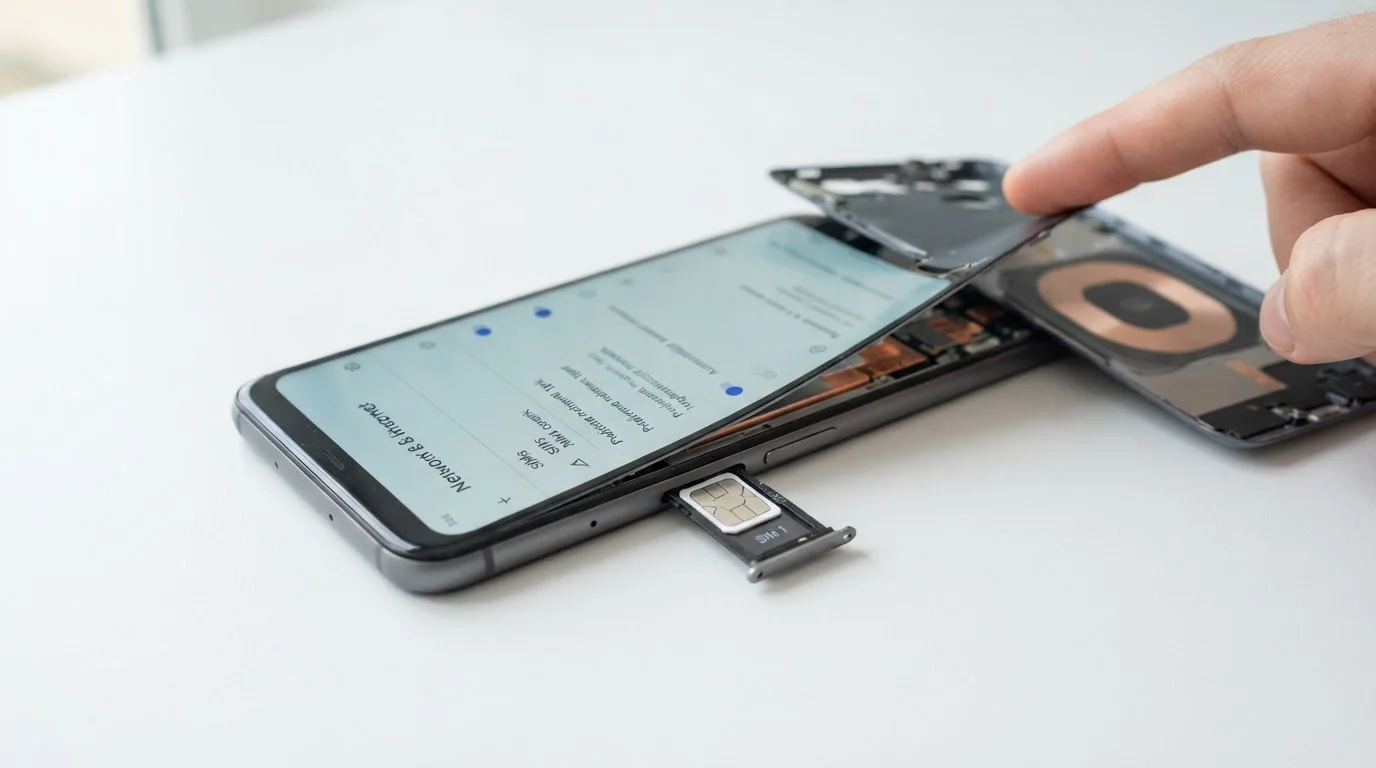
Pay-by-mobile deposits are one-way. Your phone bill can charge you for a casino deposit, but the network has no mechanism to reverse the transaction and credit your account with winnings. Withdrawals require a different payment method: debit card, e-wallet, or bank transfer.
Why You Can’t Withdraw via Pay by Mobile
Mobile carrier billing is designed for purchases and subscriptions, not disbursements. The Phone-paid Services Authority regulates Boku, Payforit, and Fonix as payment processors for goods and services—not as financial institutions licensed to handle payouts. Your mobile network’s billing system aggregates charges from merchants and adds them to your statement. It doesn’t hold funds in escrow or process reverse payments.
The technical barrier: carrier billing protocols don’t support credit transactions. SMS confirmation authorizes a charge to your account. There’s no equivalent protocol for “authorize a payment into your account via SMS.” Building that infrastructure would require mobile networks to obtain payment institution licenses, implement anti-money-laundering controls, and assume fraud liability for outbound funds. No UK carrier has pursued this because the economics don’t justify it for the niche use case of gambling withdrawals.
The regulatory barrier: PSA Code v15 governs phone-paid services for purchases. Disbursements fall under FCA jurisdiction (Financial Conduct Authority), which regulates e-money institutions and payment services. Boku and Fonix hold PSA approval for charging consumers, not FCA authorization for paying them out.
Can I withdraw my winnings using pay-by-mobile?
No. Pay-by-mobile is deposit-only. UK mobile networks and processors like Boku don’t support outbound payments. You must verify a debit card, e-wallet (PayPal, Skrill), or bank account at the casino to withdraw. First-time withdrawals trigger KYC verification (ID, proof of address), which takes 24–48 hours.
Best Withdrawal Methods for Pay by Mobile Players
Debit card: Visa and Mastercard withdrawals work at all UKGC-licensed casinos. Processing time 3–5 working days for most operators, 60 seconds at MrQ for verified accounts. You’ll need to verify the card (upload a photo or complete a micro-transaction verification) before the first withdrawal. Subsequent cashouts to the same card are faster.
PayPal: Instant deposits, 24-hour withdrawals at most casinos. PayPal requires verification (link a bank account or card to your PayPal account before using it at a casino). PayPal-friendly casinos include PlayOJO, Casimba, and MrQ. No fees from the casino, but PayPal may charge currency conversion fees for non-GBP balances.
Skrill and Neteller: E-wallets popular with casino players. Withdrawal time 24 hours. Some casinos exclude Skrill/Neteller deposits from welcome bonuses (bonus abuse prevention), but withdrawals are unaffected. Verify your e-wallet account (upload ID to Skrill/Neteller) before linking it to a casino.
Bank transfer: Slowest option, 2–5 working days. No fees from most casinos, though some charge £2–£5 for bank transfers under £100. Bank transfer is the fallback if you don’t have a card or e-wallet. Verify your bank account by uploading a statement showing your name and account number.
Apple Pay and Google Pay: Some casinos accept these for deposits and withdrawals. Processing tied to the underlying card or bank account, so withdrawal speed matches debit card (3–5 days). Apple Pay and Google Pay are essentially wrappers around your card—they don’t bypass KYC or speed up payouts beyond the linked payment method’s baseline.
| Method | Withdrawal Time | Fees | Minimum | Notes |
|---|---|---|---|---|
| Debit card | 3–5 days (60 sec at MrQ) | £0 | £10 | KYC required, card verification |
| PayPal | 24 hours | £0 | £10 | Fast, requires linked bank/card |
| Skrill | 24 hours | £0 | £10 | May exclude welcome bonuses |
| Neteller | 24 hours | £0 | £10 | Same as Skrill |
| Bank transfer | 2–5 days | £0–£5 | £20–£50 | Slowest, statement verification |
| Apple Pay | 3–5 days | £0 | £10 | Tied to card, no speed advantage |
| Google Pay | 3–5 days | £0 | £10 | Same as Apple Pay |
Withdrawal Times Compared
MrQ: 60 seconds for debit card withdrawals (verified accounts, no active bonuses). KYC takes 24–48 hours on first withdrawal. Subsequent cashouts land in under a minute. E-wallets 24 hours. Bank transfer 2–5 days.
PlayOJO: 24 hours for PayPal, Skrill, Neteller. Debit cards 3–5 working days. Bank transfer 2–5 days. KYC on first withdrawal.
Duelz: 1–3 working days for e-wallets, 3–5 days for debit cards. Bank transfer 5 days. KYC required.
Dream Vegas, Casimba, Fruity King, MogoBet, Great Britain Casino: Standard UK timelines—e-wallets 24 hours, debit cards 3–5 working days, bank transfers 2–5 days. KYC adds 24–48 hours to the first withdrawal.
The fastest route for pay-by-mobile players: deposit via Boku, verify your debit card or PayPal during the KYC window, then withdraw via that method. MrQ’s 60-second card withdrawal is the fastest in the market if you’re fully verified. PlayOJO’s 24-hour PayPal withdrawal is the best compromise between speed and convenience for players who prefer e-wallets.
Bonuses and Promotions
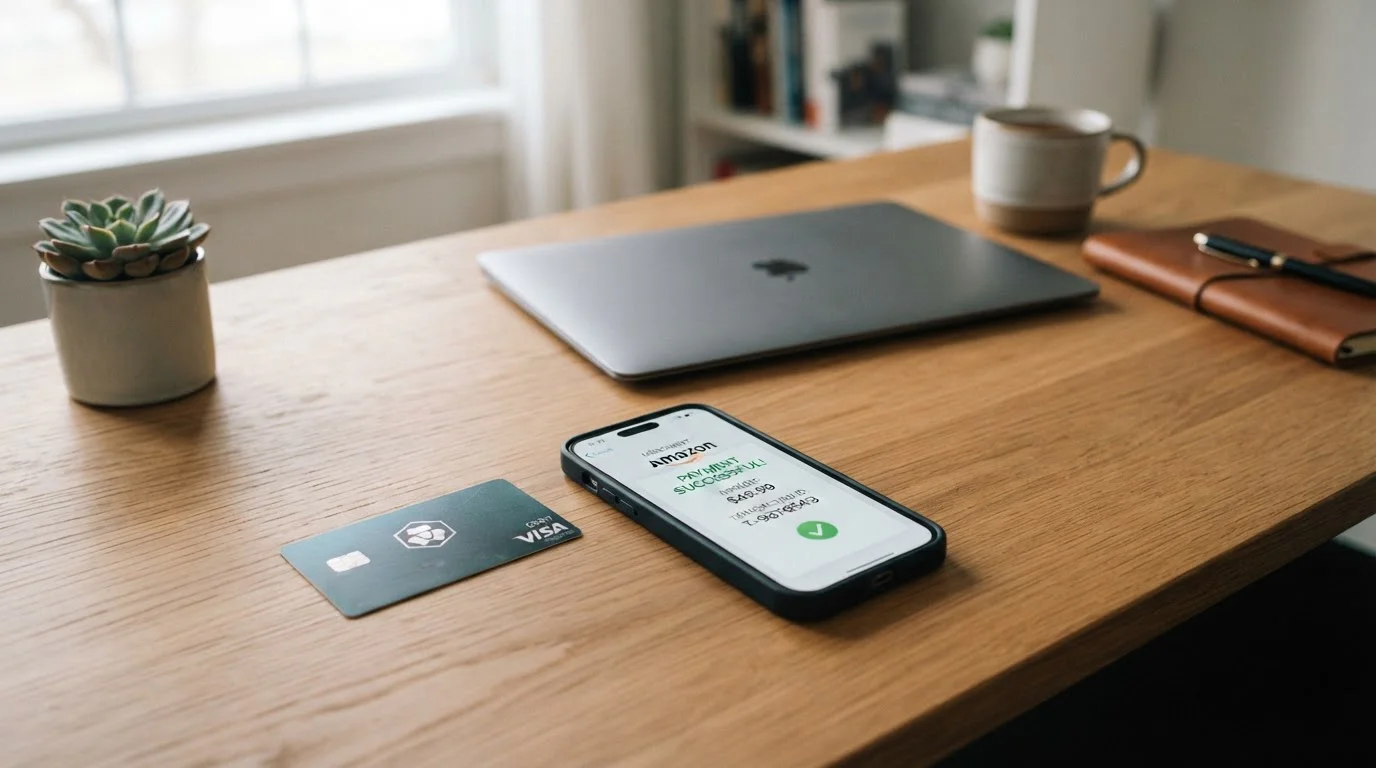
Pay-by-mobile deposits qualify for most welcome bonuses at UKGC-licensed casinos, but some operators exclude Boku and Payforit from certain promotions. The exclusion appears in fine print: “Deposits via Skrill, Neteller, and Boku are not eligible for this offer.” The reason is bonus abuse prevention—phone bill deposits are harder to reverse or chargeback than card payments, making them attractive for bonus hunters who deposit, claim the offer, and vanish.
Do Welcome Bonuses Work with Pay by Mobile?
Most UKGC casinos allow pay-by-mobile deposits to trigger welcome bonuses. MrQ, PlayOJO, Fruity King, and MogoBet explicitly state Boku deposits qualify. Dream Vegas, Casimba, and Great Britain Casino occasionally exclude phone bill deposits from selected promotions—check the live terms in the cashier before depositing. Exclusions vary by offer, not operator-wide.
Are pay-by-mobile deposits eligible for welcome bonuses?
Yes, at most UK casinos. MrQ, PlayOJO, Fruity King, and MogoBet confirm Boku deposits qualify for welcome offers. Some operators exclude phone bill deposits from specific promotions to prevent abuse—check the bonus T&Cs in the cashier before depositing. Exclusions aren’t universal; they vary by offer.
Which Casinos Offer Wager-Free Bonuses?
MrQ: All free spins and bonus cash are wager-free. Deposit £10, receive 20 free spins, withdraw winnings immediately. No rollover, no game restrictions, no maximum conversion cap. This is the cleanest bonus structure in the UK market.
PlayOJO: No wagering on any bonus. Welcome offer, reload bonuses, free spins—all wager-free. The Kicker cashback feature returns a percentage on every spin, credited as real money. No rollover traps.
Duelz: Not wager-free by default. Standard welcome bonus carries 10x wagering. Some promotional free spins are wager-free, flagged explicitly in the offer details.
Fruity King: 10x wagering on the welcome bonus (100% up to £100 + 50 free spins). Low compared to industry standard 35x, but not wager-free. Free spins winnings carry 10x rollover.
Dream Vegas, Casimba, MogoBet, Great Britain Casino: Standard wagering requirements. Dream Vegas and Casimba typically 35x, MogoBet 10x, Great Britain Casino 65x. None offer wager-free bonuses as standard.
For pay-by-mobile players who value transparent terms, MrQ and PlayOJO are the only operators with true wager-free structures. The others require rollover, with Fruity King and MogoBet at the low end (10x) and Great Britain Casino at the punishing high end (65x).
Minimum Deposit Requirements
Most pay-by-mobile casinos set a £10 minimum deposit. Below that threshold, transaction fees make deposits uneconomical for operators. Boku’s processing cost per transaction is fixed, so a £5 deposit loses money for the casino after fees. The £10 floor aligns with pay-by-mobile’s convenience positioning—players depositing £5 are better served by a debit card with no network caps.
A few operators accept £5 via pay-by-mobile during promotional periods, but £10 is the norm. Maximum deposit per transaction is £30 due to Boku’s cap, so the effective range for phone bill deposits is £10–£30. Players wanting to deposit £50 or £100 must split it across multiple transactions (constrained by the daily cap) or switch to a different payment method.
Some bonuses require minimum deposits above £10 to qualify. Example: “Deposit £20 or more to receive 50 free spins.” Pay-by-mobile players can meet this by depositing £20 in a single transaction or two £10 transactions if the casino’s bonus terms allow cumulative deposits within a timeframe. Check the specific offer’s T&Cs—some require the minimum in one transaction, others allow aggregated deposits within 24 hours.
Playing Slots with Pay by Mobile
Pay-by-mobile deposits work across all game types at UKGC-licensed casinos: slots, table games, live dealer, bingo. The method funds your account balance, which you then spend on any game in the library. No payment-method-specific game restrictions.
Slots dominate the play patterns of pay-by-mobile users because the £10–£30 deposit range suits low-to-mid-stakes spinning. High-roller slots (£10–£100 per spin) exhaust a £30 phone bill deposit in three spins, making pay-by-mobile impractical for that segment. But for players spinning at £0.10 to £2 per line, a £30 deposit funds 15–300 spins depending on volatility and bet size.
Top Mobile Slots at Pay by Mobile Casinos
Gates of Olympus (Pragmatic Play): High-volatility slot with tumbling reels and multipliers up to 500x. Mobile-optimized, available at MrQ, PlayOJO, Duelz, Dream Vegas, Casimba. RTP 96.5%. Bet range £0.20–£100 per spin, suitable for £30 deposit budgets at low stakes.
Starburst (NetEnt): Low-volatility classic with expanding wilds and re-spins. One of the most-played slots in the UK. Available at all listed casinos. RTP 96.09%. Bet range £0.10–£100 per spin. A £30 deposit funds 300 spins at £0.10 stake, making it ideal for extended sessions.
Big Bass Bonanza (Reel Kingdom): Medium-volatility fishing-themed slot with free spins and progressive multipliers. Mobile-friendly, available at MrQ, Fruity King, Casimba. RTP 96.71%. Bet range £0.10–£250 per spin.
Wanted Dead or a Wild (Hacksaw Gaming): High-volatility Western slot with sticky wilds and multipliers. Available at MrQ, PlayOJO, Dream Vegas. RTP 96.38%. Bet range £0.20–£100 per spin. Suited for aggressive players willing to risk a £30 deposit on high-variance spins.
Book of Dead (Play’n GO): Medium-volatility Egyptian slot with expanding symbols. Available at PlayOJO, Casimba, Dream Vegas. RTP 96.21%. Bet range £0.01–£100 per spin. A classic among UK players, mobile-optimized for years.
Game Providers and Mobile Optimization
Pragmatic Play: Full mobile optimization across 200+ slots. Touch-friendly UI, portrait and landscape modes, fast load times. Available at all listed casinos.
NetEnt: Pioneered mobile slots in the mid-2010s. Entire catalogue mobile-optimized. Starburst, Gonzo’s Quest, Dead or Alive 2 all work flawlessly on iOS and Android. Available at MrQ, PlayOJO, Dream Vegas, Casimba.
Microgaming: 500+ mobile-optimized slots. Book of Oz, Immortal Romance, Mega Moolah (progressive jackpot) all mobile-ready. Available at PlayOJO, Dream Vegas, Casimba.
Play’n GO: Mobile-first developer. Book of Dead, Reactoonz, Fire Joker all designed for small screens. Available at all listed casinos.
Hacksaw Gaming: Newer provider focused on high-volatility mobile slots. Wanted Dead or a Wild, Chaos Crew, Stack ‘Em all mobile-optimized. Available at MrQ, PlayOJO, Dream Vegas.
Evolution Gaming: Live casino provider. Roulette, blackjack, baccarat, game shows (Crazy Time, Monopoly Live) all stream to mobile. Available at MrQ, PlayOJO, Duelz, Dream Vegas, Casimba. A £30 deposit funds 30–60 rounds of £0.50–£1 blackjack or 6–12 spins on Crazy Time at £2.50–£5 per round.

Safety, Regulation, and Responsible Gambling
Pay-by-mobile deposits at UK casinos operate under dual regulation: the UK Gambling Commission licenses the casino, and the Phone-paid Services Authority regulates the billing processor. Both layers enforce consumer protection, but their remits differ.
Is pay-by-mobile safe and regulated in the UK?
Yes. The UK Gambling Commission licenses all casinos offering pay-by-mobile in the UK. The Phone-paid Services Authority regulates Boku, Payforit, and Fonix under PSA Code v15, which mandates SMS verification, spending caps, and merchant compliance. Both regulators enforce player protection, making pay-by-mobile one of the safest deposit methods in the UK.
UKGC Licensing and Player Protection
Every casino in this guide holds a UK Gambling Commission remote operating licence. The UKGC enforces licence conditions covering advertising standards, bonus terms transparency, customer fund segregation (casino operating funds kept separate from player deposits), KYC verification, and affordability checks.
Player fund protection: UKGC-licensed casinos must hold player funds in segregated accounts. If the operator goes bankrupt, player balances are protected and returned. This applies regardless of deposit method—funds deposited via pay-by-mobile receive the same segregation as debit card deposits.
Dispute resolution: If a complaint escalates beyond the casino’s internal process, UKGC-licensed operators must offer access to an Alternative Dispute Resolution (ADR) service and, if necessary, the Independent Betting Adjudication Service (IBAS). Players who deposit via pay-by-mobile have the same access to these mechanisms as any other customer.
Self-exclusion: GamStop is the UK’s national self-exclusion scheme. Register with GamStop and all UKGC-licensed casinos block your access for your chosen period (6 months, 1 year, 5 years). This applies across all payment methods. A player self-excluded via GamStop cannot deposit at any listed casino, whether by phone bill, card, or e-wallet.
PSA Regulation of Phone-Paid Services
The Phone-paid Services Authority regulates carrier billing under PSA Code v15. Boku, Payforit, and Fonix operate under PSA oversight, which covers age verification, spending caps, merchant vetting, and complaint handling.
Age verification: Casinos verify players are 18+ before allowing deposits. Pay-by-mobile adds a second layer—mobile networks enforce age checks on gambling transactions. Contract accounts linked to under-18s are automatically blocked from carrier billing for age-restricted services.
Spending caps: PSA Code v15 mandates transaction limits for phone-paid services. The £30 per transaction cap isn’t arbitrary—it reflects PSA’s consumer protection framework, designed to prevent bill shock and impulse overspending.
Merchant compliance: Casinos using pay-by-mobile must register with the PSA and comply with Code v15. Non-compliant operators are removed from carrier billing networks. This vetting layer means only UKGC-licensed casinos with clean compliance records can offer Boku, Payforit, or Fonix.
Do I need to verify my identity to use pay-by-mobile at a casino?
Yes. UKGC-licensed casinos require identity verification (passport, driving licence) and proof of address before your first withdrawal. Pay-by-mobile deposits don’t bypass KYC. Verification takes 24–48 hours. Some casinos allow deposits before KYC is complete, but you cannot withdraw until verified.
Deposit Limits and Self-Exclusion Tools
Since October 2025, all UKGC-licensed casinos must prompt new customers to set a financial limit before their first deposit. You choose a daily, weekly, or monthly cap. Once set, the casino’s system blocks deposits exceeding that limit. You can lower your limit instantly, but raising it requires a 24-hour cooling-off period.
Gross deposit limits (live from 30 September 2026) count every penny deposited, regardless of withdrawals or bonus credits. A £10 pay-by-mobile deposit counts as £10, a £50 debit card deposit counts as £50. If you set a £200 monthly limit, that’s your total spend across all methods.
Time-out: All UKGC casinos offer time-outs (24 hours, 7 days, 30 days). During a time-out, you cannot log in or deposit. Unlike self-exclusion, time-outs don’t require cooling-off periods to lift early—some players use 24-hour time-outs as a pause button after a losing streak.
Reality checks: Casinos display pop-ups every 60–90 minutes showing session time and spend. You can adjust the interval or disable reality checks, but they’re opt-out, not opt-in.
Deposit history: Every UKGC casino provides a detailed transaction history in your account dashboard. Filter by date, method, and amount. Use this to track pay-by-mobile deposits and spot patterns.
GamStop: The national self-exclusion register. One-click registration at gamstop.co.uk. Choose 6 months, 1 year, or 5 years. All UKGC-licensed casinos block your access immediately. Cannot be reversed once active—the minimum 6-month period stands even if you change your mind.

Pay by Mobile vs Other Payment Methods
Pay by mobile trades deposit caps and withdrawal limitations for speed and privacy. Debit cards, e-wallets, and bank transfers offer higher limits and two-way functionality but require sharing financial details or logging into accounts.
Pay by Mobile vs Debit Cards
Debit cards (Visa, Mastercard): Instant deposits, 3–5 day withdrawals. No transaction caps—deposit £10 to £10,000 depending on casino and card limits. Requires entering 16-digit card number, expiry, CVV. Withdrawal to the same card. KYC: upload photo of card (obscure middle digits).
Pay by mobile: Instant deposits via SMS, no withdrawals. £30 daily cap. Requires only phone number. Withdrawals via alternative method. KYC: upload ID and address proof (not specific to payment method).
Debit cards suit high-stakes players and anyone who wants two-way functionality. Pay by mobile suits low-stakes players who value privacy (no card details shared) and don’t mind the withdrawal inconvenience.
What are the advantages and disadvantages of pay-by-mobile compared to debit cards or PayPal?
Pay by mobile is faster than entering card details and doesn’t require sharing banking information, but it’s capped at £30 daily and cannot handle withdrawals. Debit cards and PayPal support unlimited deposits and withdrawals but require account login or card details. Pay-by-mobile suits small-stakes players prioritizing privacy; cards and e-wallets suit everyone else.
Pay by Mobile vs PayPal and E-Wallets
PayPal, Skrill, Neteller: Instant deposits, 24-hour withdrawals. Two-way functionality. High limits (£100–£10,000 depending on casino). Requires e-wallet account verification (link bank or card to the e-wallet before using it at a casino). Some casinos exclude e-wallet deposits from welcome bonuses.
Pay by mobile: Instant deposits, no withdrawals. £30 cap. No account setup beyond your phone number. No bonus exclusions at most casinos (though some operators exclude Boku during abuse crackdowns).
E-wallets are objectively superior for functionality—instant in, fast out, high limits. Pay by mobile’s edge is simplicity: no registration, no linking a bank account, no logging into a third-party app. For players who don’t have or want an e-wallet, pay-by-mobile fills the gap.
Pay by Mobile vs Bank Transfer
Bank transfer: Deposits arrive in 0–24 hours (Open Banking instant, traditional transfers next-day). Withdrawals 2–5 working days. No transaction caps. Requires entering bank details or linking account. Some casinos charge fees (£2–£5) for bank transfers under £100.
Pay by mobile: Instant deposits, no withdrawals. £30 cap. No bank details shared. No fees.
Bank transfer suits large deposits (£100+) and players who don’t have cards or e-wallets. Pay-by-mobile suits small deposits and players who want zero setup friction.
| Method | Deposit Speed | Withdrawal Support | Daily Limit | Fees | Best For |
|---|---|---|---|---|---|
| Pay by mobile | Instant | No | £30–£40 | £0 | Privacy, small stakes, no setup |
| Debit card | Instant | Yes (3–5 days) | £10,000+ | £0 | Two-way, high stakes, mainstream |
| PayPal | Instant | Yes (24 hours) | £10,000+ | £0 | Speed, convenience, e-wallet users |
| Skrill / Neteller | Instant | Yes (24 hours) | £10,000+ | £0 | Speed, may exclude bonuses |
| Bank transfer | 0–24 hours | Yes (2–5 days) | Unlimited | £0–£5 | Large deposits, no card |
| Apple Pay | Instant | Yes (3–5 days) | Matches card | £0 | Card wrapper, Apple users |
| Google Pay | Instant | Yes (3–5 days) | Matches card | £0 | Card wrapper, Android users |
Non-GamStop Casinos and Pay by Mobile (Brief)
Some offshore casinos accept UK players outside GamStop and offer pay-by-mobile deposits via Boku or alternative processors. These operators hold licenses from Curaçao, Malta (non-UKGC), or other jurisdictions. They aren’t illegal for UK players to use, but they operate without UKGC oversight—no player fund segregation guarantees, no access to IBAS dispute resolution, and no GamStop integration.
Pay-by-mobile at non-GamStop casinos carries additional risk. Boku’s PSA-regulated UK network still enforces £30 caps, but withdrawal protections are weaker. If a Curaçao-licensed casino refuses a £500 payout, your recourse is limited to the Curaçao regulator’s complaint process, which is slower and less player-friendly than the UKGC’s. Some non-GamStop operators use unregulated payment processors that mimic Boku’s SMS flow but lack PSA oversight.
This guide focuses on UKGC-licensed operators. Players seeking non-GamStop options do so to bypass self-exclusion or access higher bonuses. The trade-off is regulatory protection. If you’re self-excluded via GamStop, the correct path is to wait out the exclusion period or seek support from GamCare or the National Gambling Helpline, not to chase offshore casinos.
Pay-by-mobile’s £30 cap ironically makes it one of the safer methods at non-GamStop sites—losing £30 hurts less than losing £500 via a card deposit at an unlicensed operator. But the structural advice remains: stick to UKGC-licensed casinos where player protections are enforceable.
Casino Deposit Methods UK 2026 — Cards, E-Wallets & More
Content created by the «casinomoneyg» team