
Casinos That Accept Interac UK 2026: What Works and What Doesn't
 Available in US
Interac is a Canadian payment network, not a British one. That single fact explains most of the confusion around casinos that accept Interac in the UK. Search for the term and you will find pages listing operators, promising fast deposits, and treating Interac as though it were just another e-wallet sitting in the cashier next to PayPal. It is not.
UKGC-licensed casinos do not offer Interac as a standard payment method for UK players. The regulatory framework governing online gambling in Great Britain requires payment methods to comply with the Payment Services Regulations 2017, and Interac does not hold the necessary UK payment service provider status. That is not an oversight or a market gap waiting to be filled—it is a structural incompatibility between Canadian banking infrastructure and UK financial regulation.
Some offshore operators do accept Interac, mostly for their Canadian customer base. UK players searching for Interac casinos often land on these sites, but the licensing picture there is different. Offshore does not mean illegal for the player, but it does mean stepping outside the UK Gambling Commission’s regulatory perimeter—no GamStop, no Alternative Dispute Resolution, no recourse if a withdrawal stalls.
The practical question is not whether you can somehow force Interac to work in the UK, but which UK payment methods deliver the same value: fast, bank-authenticated transfers without exposing card details. Open banking providers like Trustly are the closest functional equivalent. PayPal, Skrill, and Neteller handle e-wallet withdrawals faster than debit cards. The mechanics differ, but the outcome—quick deposits, same-day or next-day withdrawals, and separation from your main card—is the same.
This guide covers what Interac is, why it does not fit the UK market, which UKGC-licensed operators offer the best alternatives, and what the offshore route actually involves. No affiliate spin, no lists of “top Interac casinos” that turn out to be Curaçao operators with a Canadian payment processor tacked on.
Why UKGC-Licensed Casinos Don’t Accept Interac

The UK Gambling Commission sets the rules for all legal online gambling in Great Britain. One of those rules, buried in the Licence Conditions and Codes of Practice under section 5.1.2, requires operators to accept payments only via methods that involve regulated payment services as defined by the Payment Services Regulations 2017. The payment provider must be a recognised payment service provider under UK law.
Interac is not. It operates under Canadian financial regulation, governed by the Bank of Canada and the Financial Consumer Agency of Canada. In its home market, Interac processes over a billion transactions annually with fraud rates below 0.001 percent. For Canadian casino players, Interac e-Transfer is the dominant deposit and withdrawal method—instant, bank-authenticated, denominated in CAD, and accepted everywhere. But none of that regulatory infrastructure extends to the UK.
How Interac Works in Canada
Interac e-Transfer sends money from one bank account to another via an email or mobile notification. You log into your banking app, create a transfer to the casino’s email address, include a reference number in the message field, and send. The casino’s payment processor receives the notification, accepts the transfer (often automatically via Interac’s auto-deposit feature), and credits your account within minutes.
For withdrawals, the casino sends an e-Transfer to your email. You receive a notification in your banking app, accept the transfer, and the money lands in your account immediately. The entire process bypasses card networks and happens through Canadian banking rails. Security comes from your own bank’s authentication—biometric login or two-factor authentication—so you are never sharing card details or wallet credentials with the casino.
Settlement is fast. Interac e-Transfer typically completes within 30 minutes, though peak times can stretch that to a few hours. Compare that to a standard UK bank transfer, which can take one to three business days, and the appeal is obvious.
The UK Regulatory Barrier
LCCP 5.1.2 was introduced in its current form on 31 January 2024. The rule is explicit: payment methods at UKGC-licensed casinos must involve a payment service provider as defined in regulation 2 of the Payment Services Regulations 2017. That means the provider must be authorised by a UK or EU financial regulator and recognised under the UK’s payment services framework.
Interac does not meet that test. It is a Canadian payment network without UK authorisation. Even if a UK casino wanted to integrate Interac, doing so would put the operator in breach of its licence conditions. The UKGC has increased enforcement funding by £26 million in 2026 specifically to crack down on non-compliance, and payment method violations are among the issues under scrutiny.
This is not a technical problem waiting for a software patch. It is a regulatory incompatibility. Interac would need to become a recognised payment service provider in the UK, and that would require navigating an entirely different financial regulatory regime. There is no indication that Interac Corp has any interest in doing so. The UK already has mature payment infrastructure—Faster Payments, open banking, established e-wallets—and the commercial case for adding a Canadian payment network is weak.
Technical Incompatibility with UK Banking
Separate from the regulatory barrier, there is a technical one. Interac authenticates transactions through Canadian banking infrastructure. When you send an e-Transfer, your bank verifies your identity using Canadian banking identification numbers and account structures. UK banks do not participate in that system.
A UK current account cannot authenticate through Interac’s network any more than a Canadian account can use the UK’s Faster Payments system without a UK bank. The plumbing is different. Interac operates through Canadian financial institutions—RBC, TD, BMO, Scotiabank, CIBC, Desjardins. UK banks—Barclays, HSBC, Lloyds, NatWest—use their own rails. There is no bridge between the two at the retail banking level.
Some offshore casinos list Interac in their cashiers because they run multi-jurisdictional payment processors that handle Canadian transactions. If you are in the UK and attempt to deposit via Interac at one of those sites, the payment will fail at the bank authentication stage. The casino’s processor expects a Canadian bank login; your UK banking app does not speak that protocol.
Can I use Interac at UK online casinos?
No. UKGC-licensed casinos cannot legally offer Interac to UK players because Interac is not a recognised payment service provider under UK Payment Services Regulations 2017. Some offshore operators accept Interac for their Canadian customer base, but those sites are not UKGC-licensed and do not provide UK regulatory protections.
Why don’t UKGC-licensed casinos accept Interac?
UKGC Licence Condition 5.1.2 requires payment methods to involve regulated payment services under the Payment Services Regulations 2017. Interac operates under Canadian financial regulation and does not hold UK payment service provider status. Even if the technical integration were possible, offering Interac would breach a UKGC operator’s licence.
What’s the difference between Interac e-Transfer and UK open banking?
Both authenticate payments through your own banking app and transfer funds directly from your bank account. The difference is infrastructure: Interac uses Canadian banking rails, UK open banking uses Faster Payments and the Open Banking framework introduced in 2018. Functionally, they solve the same problem—fast, secure, bank-authenticated payments without card exposure—but for different markets.
UK Alternatives to Interac: What Actually Delivers the Same Speed and Security
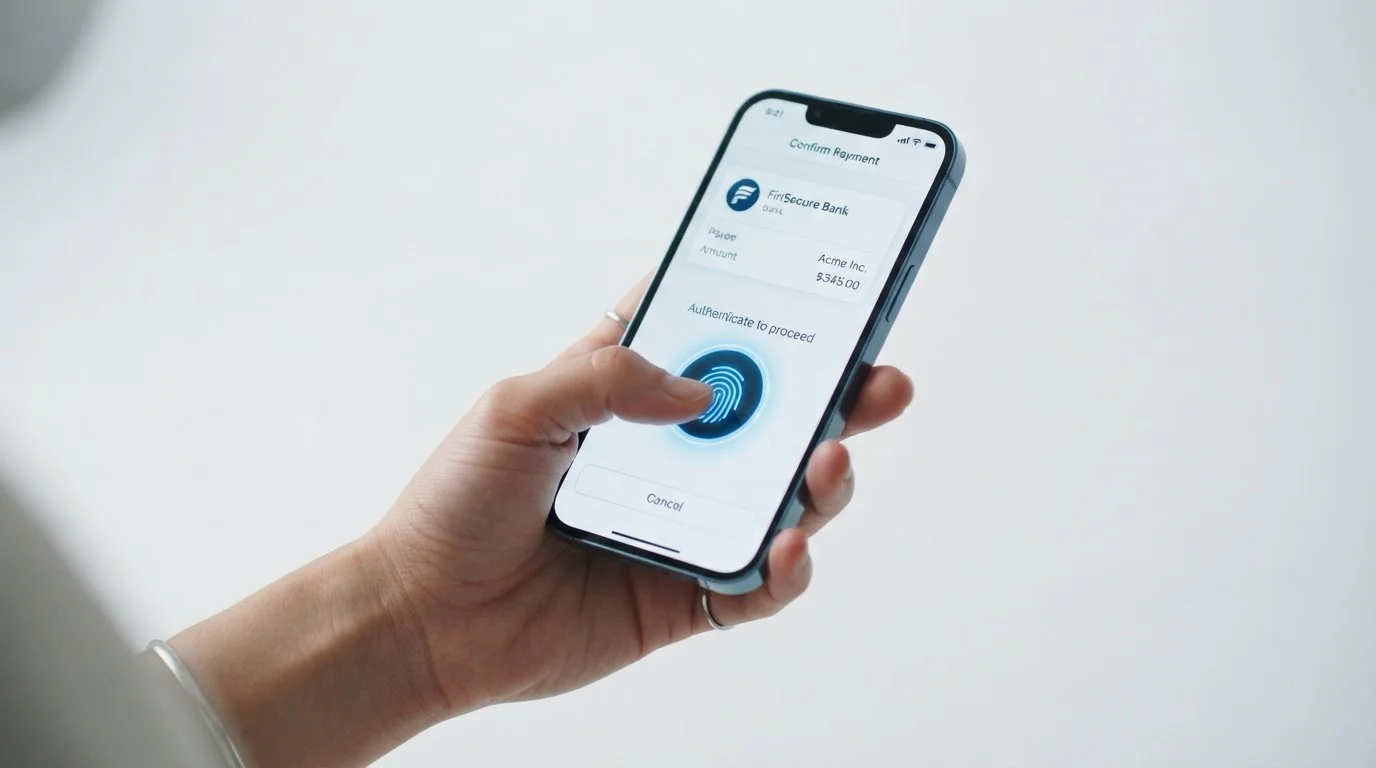
The value proposition of Interac for Canadian players is straightforward: deposits settle in minutes, withdrawals hit your bank account the same day, and your card details never touch the casino. UK players can get all three of those benefits without Interac. The methods are different, but the outcome is identical.
Open banking is the closest structural match. E-wallets like PayPal, Skrill, and Neteller offer speed and separation. Debit cards remain the baseline. Each has trade-offs.
Open Banking and Pay by Bank (Trustly)
Open banking payments authenticate directly through your own bank’s app. You select “pay by bank” or “Trustly” in the casino cashier, choose your bank from a list, and approve the payment using Face ID, fingerprint, or your bank’s two-factor authentication. The money moves from your current account to the casino via the UK’s Faster Payments system. No card number, no wallet, no intermediate account.
The technology is governed by the UK’s Open Banking framework, introduced in 2018 under the Payment Services Directive 2. Providers like Trustly, TrueLayer, Volt, and Tink act as Payment Initiation Service Providers—regulated entities under the Payment Services Regulations 2017. That makes them compliant with LCCP 5.1.2 and available at UKGC-licensed casinos.
Trustly is the most widely recognised brand in this category. It launched in Sweden in 2008 and entered the UK market around 2015. By 2026, open banking deposits and withdrawals are standard at a growing number of UKGC operators, often labelled as “instant bank transfer” or simply “pay by bank” in the cashier.
Deposits are instant. Withdrawals return to your bank account via Faster Payments, typically within 15 minutes to two hours once the casino has approved the payout. Tested withdrawal times from multiple UKGC-licensed operators in 2026 showed Trustly and similar open banking methods consistently landing funds in under two hours, often within 30 minutes. That is faster than e-wallets when you account for the extra step of moving money from the wallet back to your bank.
Limits are generous because they track your bank account limits rather than a wallet or card scheme ceiling. There are no fees at the consumer level—Trustly, TrueLayer, and Volt do not charge players for transactions. Bonus eligibility is typically unaffected; open banking deposits are rarely excluded from welcome offers, unlike e-wallet deposits at some operators.
Coverage includes all major UK banks: Barclays, HSBC, Lloyds, NatWest, Santander, Nationwide, and digital banks like Monzo, Starling, and Revolut. If your bank supports Faster Payments around the clock, withdrawals can settle outside business hours. Digital banks tend to handle this particularly well.
The one thing open banking does not do in the UK is Trustly’s Pay N Play model, which combines payment and identity verification in a single step for instant registration. That works in some European markets, but UK Gambling Commission rules require full registration and age verification before you can gamble. You still need to complete a standard sign-up and KYC process at UKGC-licensed casinos, even when using open banking payments.
PayPal
PayPal is the dominant e-wallet in the UK casino market. Over 100 UKGC-licensed operators accept it. Deposits are instant. Withdrawals are faster than debit cards—tested times in 2026 ranged from 30 minutes to 24 hours, with most operators processing PayPal payouts within the same day once the casino’s internal approval is granted.
The speed advantage comes from the fact that PayPal is an intermediary between your bank and the casino. Money sits in your PayPal balance, and moving it from the casino to PayPal happens through PayPal’s internal ledger, which is faster than traditional bank settlement. Once the money is in your PayPal account, transferring it to your UK bank takes one to three working days via standard bank transfer, but that second step is under your control.
PayPal’s separation from your bank statement is a privacy benefit for some players. Casino transactions appear on your PayPal activity, not your main bank statement. The flip side is that PayPal’s buyer and seller protection does not cover gambling transactions. If a dispute arises, you are relying on the casino and the UKGC’s complaint process, not PayPal’s dispute resolution.
Bonus eligibility is typically unaffected. Unlike Skrill and Neteller, which many UKGC operators exclude from welcome bonuses as an anti-abuse measure, PayPal deposits almost always qualify. That makes PayPal the safest e-wallet choice for players planning to claim a bonus.
PayPal (Europe) S.à r.l. et Cie, S.C.A. is authorised and regulated by Luxembourg’s Commission de Surveillance du Secteur Financier as a payment institution. That meets LCCP 5.1.2 requirements. Minimum deposit at most UKGC casinos is £5 to £10. There are no consumer fees for casino transactions.
Skrill and Neteller
Skrill and Neteller are sister products, both owned by Paysafe Group. Functionally, they are near-identical. You create an account, fund it from your bank or card, and use the wallet balance to deposit at casinos. Withdrawals land in the wallet within one to two hours at most operators, then you transfer the money from the wallet to your UK bank account (one to three working days).
Both are authorised by the UK Financial Conduct Authority as electronic money institutions. Skrill Limited holds FCA registration number 900001. That satisfies LCCP 5.1.2. Coverage at UKGC-licensed casinos is around 50 operators each—less than PayPal, but still substantial.
The speed on the casino-to-wallet leg is competitive: under two hours is standard, and some operators process Skrill and Neteller payouts within an hour. The bottleneck is the wallet-to-bank transfer, which takes the same one to three working days as any other bank transfer. If speed is the priority, open banking edges out e-wallets because it eliminates that second hop.
Fees are where Skrill and Neteller diverge from PayPal. Funding your wallet with a card incurs a 1.9 percent fee. Funding via bank transfer is free, but slower. Casino deposits and withdrawals from the wallet are typically fee-free. Both wallets offer VIP programmes that reduce or eliminate fees for high-volume users, but those are aimed at players moving serious money regularly.
Bonus exclusions are the bigger catch. Many UKGC-licensed casinos exclude Skrill and Neteller deposits from welcome bonuses. The reason is historical: e-wallets make it easier to move money between casinos quickly, and operators use bonus exclusions to prevent players from cycling bonuses across multiple sites. PayPal does not face the same restriction, likely because its user base skews more casual and less bonus-focused.
If you plan to claim a welcome bonus, check the terms before depositing via Skrill or Neteller. If you are not interested in bonuses, both wallets work fine and offer the same speed and privacy benefits as PayPal.
Debit Cards: The Standard Baseline
Visa and Mastercard debit cards remain the most common deposit method at UKGC-licensed casinos. Deposits are instant. Withdrawals are slower—one to three working days is the standard range, and some operators stretch that to five. The delay is not the card network; it is the casino’s internal approval process plus the time it takes for the funds to clear back through the card scheme’s settlement rails.
Debit cards do not offer separation between your bank and the casino. Every transaction appears on your bank statement under the casino or payment processor’s name. Limits are set by your card issuer and the casino, typically £5 to £10 minimum deposit and similar minimums for withdrawals.
The advantage of debit cards is universal acceptance. Every UKGC-licensed casino takes them. Bonus eligibility is unaffected. The disadvantage is speed—if you want same-day withdrawals, you need an e-wallet or open banking method.
What is the UK equivalent to Interac for online casinos?
Open banking payments via Trustly, TrueLayer, or Volt are the closest UK equivalent to Interac. Both authenticate through your own banking app, transfer funds directly from your bank account, settle quickly, and do not expose card details. PayPal is the most widely accepted e-wallet alternative, with same-day withdrawals at most UKGC-licensed operators.
Which UK payment method is fastest for casino withdrawals?
Open banking (Trustly, pay by bank) delivers the fastest tested withdrawal times—15 minutes to two hours via Faster Payments once casino approval is granted. PayPal typically processes within 30 minutes to 24 hours, most often same day. Skrill and Neteller take one to two hours to the wallet, then one to three days for bank transfer. Debit cards take one to three working days.
How fast are withdrawals with open banking / Trustly at UK casinos?
Tested withdrawal times in 2026 showed open banking payouts via Trustly and similar providers landing in UK bank accounts within 15 minutes to two hours after the casino approved the payout. Faster Payments rails settle in real time, and digital banks like Monzo, Starling, and Revolut typically handle the credit within minutes.
| Method | Deposit Speed | Withdrawal Speed (Tested, 2026) | Typical Limits | Fees (Consumer) | Bonus Eligibility |
|---|---|---|---|---|---|
| Open Banking (Trustly) | Instant | 15 min – 2 hours (Faster Payments) | Bank account limits | None | Rarely excluded |
| PayPal | Instant | 30 min – 24 hours (typically same day) | £5 – £10 min deposit | None | Rarely excluded |
| Skrill | Instant | 1 – 2 hours to wallet, then 1 – 3 days to bank | £5 – £10 min deposit | 1.9% card funding | Often excluded |
| Neteller | Instant | 1 – 2 hours to wallet, then 1 – 3 days to bank | £5 – £10 min deposit | 1.9% card funding | Often excluded |
| Debit Cards | Instant | 1 – 3 working days | £5 – £10 min deposit | None | Not excluded |
Top UK Casinos with Fast Bank Payments (2026)

Every operator below holds a UK Gambling Commission licence and offers at least one fast-withdrawal payment method that serves the same function as Interac does in Canada. None accept Interac itself. What they do offer is open banking, PayPal, and e-wallets with tested withdrawal times that match or beat Interac’s Canadian settlement speed.
The ranking is based on payment method availability, tested withdrawal speed, and the overall experience of moving money in and out. Licensing status is non-negotiable—every site here is UKGC-licensed. Game selection and bonus structure matter, but the focus is on payments.
| Operator | UKGC License | Payment Methods | Withdrawal Speed (Tested) | Minimum Deposit | Distinguishing Feature |
|---|---|---|---|---|---|
| 888 Casino | 39028 | PayPal, Apple Pay, Trustly, debit cards | E-wallet 24 – 48h, cards 2 – 3 days | £10 | Established brand, exclusive games, 15+ years UK market |
| Virgin Casino | 2406 | PayPal, Skrill, Neteller, debit cards | E-wallet within 24h (often same day) | £10 | Fewer withdrawal holds, bingo-casino hybrid |
| bwin | 39225 | PayPal, bank transfer, debit cards | E-wallet 24 – 48h | £5 | Sportsbook-led, Entain portfolio, European presence |
| NetBet | 39170 | PayPal, Skrill, Neteller, debit cards | E-wallet within 24h | £10 | Mid-tier provider depth, 20+ markets |
| 32Red | 000-038847-R-319503 | PayPal, Skrill, Neteller, debit cards | E-wallet within 24h | £10 | Customer service reputation, Kindred Group |
| MrQ | 60629 | Skrill, Apple Pay, Google Pay, debit cards | E-wallet often within hours, same day typical | £10 | No-wagering bonuses, Fast Payout emphasis |
| Gala Casino | 3924 | Debit cards, bank transfers, e-wallets | 24 – 72h depending on method | £10 | Established retail heritage, Entain portfolio |
| Betfair | 000-038908-R-319373 | PayPal, Apple Pay, bank transfer, debit cards | PayPal typically same day | £5 | Betting exchange + casino, Flutter Group, high-volume infrastructure |
| Betvictor | 000-039225-R-319470 | PayPal, Skrill, Neteller, debit cards | E-wallet 24 – 48h | £10 | Privately held, UK market since 1946 |
| Unibet | 000-038847-R-319503 | PayPal, bank transfer, Trustly, debit cards | E-wallet 24 – 48h | £10 | Multi-market operator, Kindred Group, broad payment support |
888 Casino
888 Casino is one of the longest-established UKGC-licensed operators, with a market presence stretching back over 15 years. The legal entity is 888 UK Limited, and the UKGC licence number is 39028. 888 Holdings plc is FTSE-listed and operates across multiple jurisdictions, but the UK-facing site is the UKGC-licensed variant.
Payment methods cover the standard UK range: Visa, Mastercard, PayPal, Apple Pay, Trustly, Luxon (an e-wallet), PaysafeCard, and bank transfer. Minimum deposit is £10 for most methods, dropping to £5 for some. Withdrawals follow the closed-loop rule—payouts go back to the method used for deposit. E-wallet withdrawals typically process within 24 to 48 hours. Debit card withdrawals take two to three working days.
Game selection runs to 2,500+ titles, including slots, live casino, table games, and progressive jackpots. 888 also offers exclusive branded content—slots and games you will not find at other UK operators. The welcome offer follows the industry pattern: a deposit match bonus with wagering requirements. Terms are published in a dedicated section rather than buried in footer text, which is more transparent than some competitors manage.
888’s strength is brand recognition and regulatory track record. The operator has weathered multiple UKGC regulatory cycles and remains in good standing. Customer service is multi-channel, and the platform is fully mobile-optimised. If you want a mainstream operator with deep UK roots, 888 delivers.
Virgin Casino
Virgin Casino operates under the Gamesys umbrella, which is now a subsidiary of Bally’s Corporation. The UKGC licence is held by Gamesys entities (licence number 2406) for remote casino and bingo. The Virgin brand is a licensing arrangement; the actual operation is Gamesys.
Payment methods include debit cards (Visa and Mastercard), PayPal, Skrill, and Neteller. Minimum deposit is £10. E-wallet withdrawals are processed within 24 hours at Virgin, and often faster—same-day payouts are common. Debit card withdrawals take the standard two to three days. Virgin’s withdrawal approval process is reported to involve fewer holds than some larger competitors, which matters when you are waiting on a payout.
Game selection leans toward slots and bingo, with around 1,500 titles. The live casino section is functional rather than extensive. Virgin’s bonus structure is less aggressive than most UK operators—smaller matched deposits, fewer free spins, but also simpler terms. Some players read that as a negative; others see it as a sign the operator is not trying to hook you with terms you will never clear.
Virgin’s appeal is the brand name and a smoother withdrawal experience than average. If you value getting your money out without extended verification delays, Virgin is worth testing.
bwin
bwin is part of Entain plc, one of the FTSE 100 constituents and the operator behind Ladbrokes, Coral, and PartyPoker. The legal entity for bwin is ElectraWorks Limited, UKGC licence number 39225. The brand itself is European—launched in Austria in 1997, acquired by Entain’s predecessor in 2011—and operates across multiple markets. The UK-facing site is bwin.co.uk.
Payment methods cover Visa, Mastercard, PayPal, and bank transfer. Minimum deposit is £5. E-wallet withdrawals process in 24 to 48 hours. Bank transfers take one to three days. The platform is sportsbook-led, with the casino as a secondary offering, so if you want both under one account, bwin delivers that without needing separate registrations.
Game selection runs to around 2,000 casino titles. The live casino section is solid, and the sportsbook is the primary draw. Bonus offers tend to be sports-focused, with casino bonuses running alongside rather than leading. For a player who wants integrated sports and casino with a single wallet and single KYC process, that dual focus is the main value.
bwin’s regulatory standing benefits from Entain’s scale and compliance infrastructure. The operator has been through multiple UKGC reviews and operates within the tightest compliance regimes in Europe. If regulatory reliability matters more than cutting-edge casino features, bwin is a safe pick.
NetBet
NetBet Enterprises Ltd is a Malta-based operator that entered the UK market around 2014 with UKGC licence number 39170. The company also holds a Malta Gaming Authority licence for non-UK markets, but the UK-facing site (netbet.co.uk) operates under the UKGC licence. NetBet runs in over 20 countries, which gives its payment infrastructure breadth that single-market operators lack.
Payment methods include debit cards, PayPal, Skrill, Neteller, and bank transfer. Minimum deposit is £10. E-wallet withdrawals typically process within 24 hours. Debit card withdrawals take two to three days. First-time withdrawals can involve additional verification steps—standard KYC—but once cleared, subsequent payouts are faster.
Game selection is one of NetBet’s strengths: around 3,000 titles, with a notable depth in mid-tier providers. You will find slots here from studios that are not on every UK operator’s roster, which matters if you are bored of the same Pragmatic Play and NetEnt rotation. The live casino section is functional, and the sportsbook is integrated.
Promotional offers include free spins and matched deposits, with wagering requirements in the mid-range—neither the most generous nor the most punishing on the market. NetBet’s multi-market experience shows in the payment flexibility and game variety. If you want a broader selection than the major UK brands offer, NetBet is worth checking.
32Red
32Red has been a fixture of the UK online casino market since 2002. It is now part of the Kindred Group, which is Nasdaq Stockholm-listed and also operates Unibet and Maria Casino. The UKGC licence is held under Kindred Group entities (licence number 000-038847-R-319503).
Payment methods cover Visa, Mastercard, PayPal, Skrill, and Neteller. Minimum deposit is £10. E-wallet withdrawals are processed within 24 hours in most cases. Debit card withdrawals take two to three days. 32Red is known for customer service—phone support is available, and the response quality is above the market average.
Game selection runs to around 1,500 titles. The live casino section is one of the stronger offerings among UK-facing operators of this size, with multiple live dealer tables and game show variants. The loyalty programme is developed—though “loyalty” in casino terms means tracking your spend and offering retention incentives, which is worth remembering when the programme sends you a reward.
32Red’s reputation rests on longevity and service quality. It has weathered multiple regulatory changes and remains in good standing with the UKGC. If you value responsive support and a live casino depth beyond the basics, 32Red delivers.
MrQ
MrQ is operated by Lindar Media Limited, a UK-registered company with UKGC licence number 60629 for remote casino and bingo. The brand launched around 2018 and has carved out a niche with a no-wagering model on most bonuses—a rarity in the UK market.
Payment methods include debit cards, Skrill, Apple Pay, and Google Pay. Minimum deposit is £10, minimum withdrawal is also £10. MrQ emphasises Fast Payout, and the tested withdrawal times back that up: e-wallet payouts often process within hours, with same-day settlement typical once approval is granted. Bank transfer withdrawals take one to two days.
Game selection runs to around 1,000 titles, covering slots and live casino. The no-wagering model is the genuine differentiator: free spins winnings are paid as withdrawable cash, not bonus funds with 35x or 40x wagering requirements attached. Bonus terms are published transparently, and the site does not bury the catches in small print.
MrQ is a smaller operator compared to 888 or the Entain brands, but the UKGC licence is in good standing and the Fast Payout proposition is real. If you are tired of bonus terms that require a calculator and three cups of coffee, MrQ is a cleaner alternative.
Gala Casino
Gala Casino is part of the Entain portfolio, operating under LC International Limited with UKGC licence number 3924. The Gala brand has deep UK roots—decades of high-street presence in bingo halls and betting shops before the online casino launched around 2006.
Payment methods cover debit cards, bank transfers, and e-wallets. Minimum deposit is £10. Withdrawal times vary by method: 24 to 72 hours depending on whether you use an e-wallet or debit card. The platform is aimed at a mainstream audience rather than VIP or high-roller segments.
Game selection runs to around 1,500 titles, with broad coverage of mainstream slots and live casino. Bonus structure follows the standard UK pattern: deposit match, free spins, wagering requirements. Gala’s appeal is brand heritage and the backing of a FTSE 100 parent. It is not the fastest or the flashiest, but it is reliable and fully compliant.
If you want an established brand with retail credibility behind it, Gala is a safe choice. The payment processing is standard for Entain operators—solid but not leading-edge.
Betfair
Betfair is the world’s largest betting exchange and part of Flutter Entertainment, which is NYSE and LSE-listed and the largest gambling operator globally by revenue. The UKGC licence is held by PPB Entertainment Limited (licence number 000-038908-R-319373). Betfair.com is the UK-facing domain for both the exchange and the casino.
Payment methods include debit cards (Visa and Mastercard), PayPal, Apple Pay, and bank transfer. Minimum deposit is £5. PayPal withdrawals are typically processed the same day. Debit card withdrawals take one to three days. Betfair’s payment infrastructure is built to handle the exchange’s transaction volume, which runs into the tens of thousands of bets per minute during major sporting events. That scale benefits casino players indirectly—payment processing is fast and reliable because the underlying systems are engineered for volume.
Game selection runs to around 2,000 casino titles. The casino is secondary to the exchange, which remains Betfair’s core product. For a player who wants both exchange betting and casino under one account, Betfair delivers seamlessly. If you are casino-only, the game selection is solid but not exceptional.
Betfair’s strength is infrastructure and regulatory standing. Flutter is a major player in global gambling, and Betfair’s UK operation is among the most scrutinised and compliant in the market. Payment reliability is high.
Betvictor
Betvictor is privately held by the Victor Chandler family, which gives it a different ownership structure from the PLC-owned brands on this list. The company traces its roots to 1946, when Victor Chandler operated as a bookmaker. The online operation launched in 1999, and the brand was rebranded to Betvictor in 2012. UKGC licence number is 000-039225-R-319470.
Payment methods include debit cards, PayPal, Skrill, and Neteller. Minimum deposit is £10. E-wallet withdrawals process in 24 to 48 hours. Debit card withdrawals take two to three days. The platform is sportsbook-casino hybrid, with the sportsbook receiving more prominence.
Game selection runs to around 1,500 casino titles. The live casino section is functional, and the sportsbook covers UK and European markets with depth. Betvictor’s private ownership means it is not subject to quarterly earnings pressures or shareholder demands, which some see as a positive for long-term operational stability.
Betvictor’s appeal is heritage and independence. If you prefer a family-owned operator over a corporate PLC, Betvictor is one of the few remaining options in the UK market. Payment processing is standard, and the regulatory track record is solid.
Unibet
Unibet is part of the Kindred Group, the same parent as 32Red. It was founded in Sweden in 1997 and operates across more than 20 countries. The UK-facing site is unibet.co.uk, operating under Kindred Group’s UKGC licence (000-038847-R-319503).
Payment methods include debit cards, PayPal, bank transfer, and Trustly. Minimum deposit is £10. E-wallet withdrawals process in 24 to 48 hours. Bank transfer and open banking withdrawals are supported, with same-day settlement via Faster Payments in many cases. Unibet’s multi-market infrastructure means payment method flexibility is above average—what works in Sweden or the Netherlands often makes it to the UK site as well.
Game selection runs to around 2,500 titles. The platform is sportsbook-casino dual, with both sides well-developed. Bonus offers run across both verticals, and the terms are published clearly. Unibet’s regulatory standing benefits from Kindred’s compliance infrastructure, which operates across some of the most regulated markets in Europe.
Unibet’s strength is breadth. If you want a multi-market operator with payment flexibility, solid game selection, and integrated sportsbook, Unibet delivers. The withdrawal times are competitive, and the platform is fully mobile-optimised.
Do PayPal withdrawals work the same as Interac at UK casinos?
Functionally, yes. PayPal withdrawals at UKGC-licensed casinos are processed within 30 minutes to 24 hours in most cases, typically same day, which matches Interac e-Transfer settlement times in Canada. The difference is infrastructure: Interac uses Canadian banking rails, PayPal is an e-wallet that sits between your bank and the casino. Both deliver fast payouts without exposing card details.
Offshore Casinos That Accept Interac: Risks and What You Give Up
Some online casinos do accept Interac. They are not UKGC-licensed. They operate under offshore licences—Curaçao eGaming is the most common, followed by Anjouan, and Malta Gaming Authority licences issued for non-UK markets. These operators target Canadian players, for whom Interac is the dominant payment method, and they do not geo-restrict the payment option. A UK player can technically deposit via Interac at one of these sites if the operator’s payment processor accepts it, though in practice the transaction will likely fail at the bank authentication stage because UK banks do not participate in Interac’s network.
The regulatory picture is what matters. Offshore does not mean illegal for the UK player—you are not breaking UK law by depositing at an offshore casino. But the operator is. Under the Gambling Act 2005, any operator accepting UK customers must hold a UKGC licence. Operating without one is a criminal offence, and the UKGC has ramped up enforcement with an additional £26 million in funding in 2026 specifically targeting unlicensed operators.
What Offshore Means (Curaçao, Anjouan, Malta Non-UK)
Curaçao eGaming is the most common licence among offshore operators that appear in “Interac casino” search results. Curaçao is a constituent country of the Kingdom of the Netherlands in the Caribbean. Its gambling regulatory regime is lighter than the UK’s—no equivalent of the UKGC’s Licence Conditions and Codes of Practice, less stringent anti-money-laundering requirements, and lower compliance costs. A Curaçao licence costs an operator a fraction of what a UKGC licence does.
Anjouan is another offshore licensing jurisdiction, based in the Comoros Islands. It is even less regulated than Curaçao and has a reputation as a jurisdiction of last resort for operators who cannot obtain licences elsewhere.
Malta Gaming Authority licences are reputable within the EU and EEA, but MGA-licensed operators serving the UK market must also hold a UKGC licence. An MGA-only operator cannot legally accept UK players. Some offshore “Interac casinos” hold MGA licences but do not hold UKGC licences, which means they are operating outside UK law if they accept UK customers.
Why Some Offshore Operators Accept Interac
Interac is the payment method of choice for Canadian online casino players. Offshore operators targeting Canada integrate Interac e-Transfer because it is what their customer base expects. The payment flow is designed for Canadian players: the casino provides a Canadian email address for the e-Transfer, the player sends funds from a Canadian bank account, and the casino’s payment processor (often based in Canada or operating under Canadian payment licences) accepts the transfer.
UK players searching for “casinos that accept Interac UK” land on these sites because search engines do not distinguish between geo-targeted content and actual service availability. The sites are optimised for Canadian search traffic, but they rank for UK queries too. Some affiliate pages list these operators without clarifying the licensing distinction, which adds to the confusion.
If you are in the UK and attempt to deposit at one of these operators via Interac, the payment will likely fail. Your UK bank cannot authenticate through Interac’s Canadian network. The casino’s payment processor expects a Canadian bank login; your Barclays or NatWest app does not speak that protocol. Even if the transaction somehow processes, you are now playing at an offshore operator without UK regulatory protection.
What You Lose Without a UKGC License
UKGC-licensed operators are subject to a thick layer of regulatory oversight. GamStop integration is mandatory—if you self-exclude through GamStop, every UKGC-licensed operator in the UK is required to block your access. Offshore operators are not part of GamStop. If you self-exclude at one offshore site, it applies only to that site. There is no cross-operator self-exclusion scheme.
Alternative Dispute Resolution is another protection that disappears offshore. UKGC-licensed operators must provide access to an independent ADR service. If you have a complaint and the operator does not resolve it, you can escalate to the ADR service, which is free for consumers and binding on the operator. Offshore operators do not offer ADR. If they refuse to pay a withdrawal, your recourse is limited to whatever complaints process the licensing jurisdiction provides, which in the case of Curaçao or Anjouan is minimal.
The UKGC complaints process itself is not available. If a UKGC-licensed operator breaches its licence conditions, you can file a formal complaint with the Gambling Commission. The UKGC has enforcement powers and can issue fines, suspend licences, or revoke them entirely. Offshore operators answer to their own licensing authority, which does not have jurisdiction in the UK and typically lacks the enforcement teeth of the UKGC.
Deposit limits are another example. The UKGC introduced mandatory deposit limits in September 2026—every licensed operator must offer customers a clearly defined spending control based only on money paid into an account. Offshore operators are not subject to that rule. Some offer deposit limits voluntarily, but there is no regulatory requirement.
Payment processing at offshore operators often runs through third-party processors in unclear jurisdictions. If a payment goes missing or a withdrawal is delayed, tracing it is harder than at a UKGC-licensed operator, where payment service providers are regulated under UK financial law. The visibility and accountability are lower.
The game fairness and RNG oversight that UKGC operators undergo is absent. The UKGC requires operators to use certified Random Number Generators and submit to regular testing. Offshore licensing regimes have looser requirements, and enforcement is patchy. That does not mean every offshore operator is rigging games, but the regulatory backstop is weaker.
Are there any casinos that accept Interac for UK players?
Some offshore operators licensed in Curaçao, Anjouan, or Malta (non-UK) accept Interac, primarily for Canadian players. UK players may see Interac in the cashier, but transactions will likely fail because UK banks do not authenticate through Interac’s network. More importantly, these operators are not UKGC-licensed and do not provide UK regulatory protections.
Is it safe to play at offshore casinos that accept Interac?
Offshore casinos are not illegal for UK players to use, but they do not provide UKGC protections: no GamStop, no Alternative Dispute Resolution, no UKGC complaints process, no mandatory deposit limits. If a withdrawal dispute arises, your recourse is limited. UKGC-licensed operators are the safer choice for UK players.
How to Deposit and Withdraw with Open Banking (Step by Step)
Open banking payments are the closest UK equivalent to Interac’s mechanics. Both authenticate through your own banking app and transfer money directly from your bank account. The steps are similar enough that if you are familiar with Interac e-Transfer, you will recognise the flow.
Depositing with Trustly / Pay by Bank
Log into your casino account and navigate to the cashier. Select “pay by bank,” “Trustly,” or “instant bank transfer”—the exact label varies by operator, but the underlying mechanism is the same. Enter your deposit amount. The minimum is typically £5 to £20 depending on the casino.
The cashier will redirect you to a Trustly or open banking provider screen. You will see a list of UK banks—all major high-street banks and digital banks are supported. Select your bank. You will be redirected to your own banking app or online banking login page. Authenticate using your bank’s standard security: biometric (Face ID, fingerprint) or two-factor authentication.
Your bank will show you a payment authorisation screen with the deposit amount and the recipient (the casino or its payment processor). Confirm the payment. The money moves directly from your current account to the casino via Faster Payments. The deposit credits to your casino balance instantly—no pending state, no waiting period. You can start playing immediately.
No card details are shared with the casino. No wallet credentials are created. The entire authentication happens inside your own banking app, which you already trust with everything else. The casino never sees your bank login or account number—they receive only the payment confirmation.
Withdrawing via Faster Payments
When you request a withdrawal at a UKGC-licensed casino that supports open banking payouts, the process reverses. Log into your casino account, navigate to withdrawals, select “pay by bank” or “Trustly” as your withdrawal method, and enter the amount.
The casino will process your withdrawal request. This is where the casino’s internal approval time matters—it can range from instant to 24 hours depending on the operator’s verification workflow and whether you have withdrawn before. First-time withdrawals typically take longer because the casino’s compliance team runs KYC checks. Subsequent withdrawals from a verified account are faster.
Once the casino approves the payout, the money moves back to your bank account via Faster Payments. Tested withdrawal times in 2026 showed funds landing within 15 minutes to two hours. Digital banks like Monzo, Starling, and Revolut tend to credit Faster Payments around the clock. High-street banks like Barclays, HSBC, and Lloyds process them during business hours and outside, though overnight and weekend processing can occasionally add a few hours.
The withdrawal appears in your bank account under the casino or payment processor’s name. There is no intermediary wallet, no second transfer step. The money moves directly from the casino to your current account.
What to Expect on Your First Withdrawal
UKGC-licensed casinos are required to verify your identity before processing a withdrawal. This is standard KYC (Know Your Customer) compliance under anti-money-laundering regulations. On your first withdrawal, expect the casino to request:
- A photo ID (passport, driving licence, national identity card).
- Proof of address (utility bill, bank statement, council tax bill) dated within the last three months.
- Proof of payment method (a screenshot of your banking app showing your name and account details, or a bank statement showing the deposit transaction).
Upload the documents through the casino’s verification portal. The compliance team reviews them, which can take anywhere from a few hours to 48 hours depending on the operator’s staffing and how busy they are. Once verified, your withdrawal is approved and the money moves.
Subsequent withdrawals from the same account skip the verification step. The casino already has your documents on file, so payouts are faster—often within an hour or two of requesting the withdrawal.
Some UKGC operators run additional affordability checks if you deposit or withdraw large sums. This is part of the UKGC’s financial vulnerability framework introduced in 2026. If triggered, the casino may ask for proof of income or source of funds. These checks are intended to prevent problem gambling, but they do add time to the withdrawal process.
Limits, Fees and Verification Requirements
Payment method limits at UK casinos are set by three parties: the casino, the payment provider, and your bank. All three can impose ceilings, and the lowest one wins. For most UK players, the casino’s limits are the tightest constraint. High rollers may hit bank or payment provider limits first.
Minimum deposits at UKGC-licensed casinos typically range from £5 to £10 depending on the operator and the payment method. Open banking and debit cards usually sit at £5 or £10. E-wallets are the same. Some operators set higher minimums for bank transfers (£20 is not uncommon), though this is rare with open banking providers like Trustly, which treat the payment as instant rather than a traditional bank transfer.
Maximum deposits per transaction vary widely. Most operators cap single deposits at £5,000 to £10,000 for standard accounts. VIP and high-roller accounts can negotiate higher limits. Your bank also imposes its own limits on Faster Payments transactions—typically £10,000 to £25,000 per day for personal accounts, higher for business accounts or premium banking tiers. If you hit your bank’s limit, you will need to wait until the limit resets or contact your bank to request a temporary increase.
Withdrawal minimums are typically £10 at most UKGC operators. Some set the floor at £5, others at £20. The purpose of the minimum is to discourage frivolous micro-withdrawals that cost the operator more in processing fees than the withdrawal amount is worth. Maximum withdrawals per transaction range from £5,000 to £10,000 for standard accounts, with higher limits available for VIP players.
E-wallet limits are set by the wallet provider. PayPal, Skrill, and Neteller all impose their own transaction ceilings, which vary by account verification level. A basic PayPal account might have a £2,000 transaction limit; a fully verified account with linked bank details can handle larger sums. Check your wallet’s limits if you plan to move significant money.
Fees at the consumer level are minimal at UKGC-licensed casinos. Open banking providers like Trustly do not charge players for deposits or withdrawals—the casino pays the provider’s fees. PayPal does not charge consumers for casino transactions. Skrill and Neteller charge 1.9 percent if you fund your wallet with a card, but funding via bank transfer is free. Casino deposits and withdrawals from the wallet to the casino are typically fee-free.
Some operators impose withdrawal fees, though this is rare among major UKGC-licensed brands. If a fee applies, it will be stated in the banking section of the casino’s terms. Debit card withdrawals occasionally carry a small fee (£1 to £3), but most operators absorb the cost.
Verification requirements are non-negotiable at UKGC-licensed casinos. You will need to upload photo ID, proof of address, and proof of payment method on your first withdrawal. Some operators request verification earlier—at registration, or before your first deposit if the deposit amount is large. The process is the same regardless of payment method: upload documents, wait for the compliance team to review them, receive approval, proceed with your withdrawal.
Affordability checks are a newer layer introduced under the UKGC’s updated financial vulnerability framework. If you deposit or withdraw large sums within a short period, the operator may ask for proof of income or source of funds. The threshold varies by operator and is not publicly disclosed, but anecdotal reports suggest checks are triggered at cumulative deposits of £1,000 to £2,000 within a month for some operators, higher at others. The checks are intended to identify problem gambling or money laundering, but they do add friction. Be prepared to provide payslips, bank statements, or tax returns if asked.
Bonuses and UK Payment Methods: What Actually Qualifies
Welcome bonuses at UK casinos come with terms, and one of those terms is payment method eligibility. Not all deposit methods qualify for all bonuses, and the exclusions are not arbitrary—they reflect the operator’s assessment of bonus abuse risk.
PayPal deposits almost always qualify. Open banking deposits rarely face exclusions. Debit card deposits are universally eligible. Skrill and Neteller are the exceptions—many UKGC-licensed operators exclude e-wallet deposits from welcome bonuses entirely. The exclusion is stated in the bonus terms, usually in a dedicated section on payment method eligibility.
The reason is historical. E-wallets make it easy to move money between casinos quickly, which allows players to cycle bonuses across multiple sites. A player deposits at Casino A via Skrill, claims the welcome bonus, plays through the wagering requirement, withdraws the winnings back to Skrill, moves the money to Casino B, and repeats. Operators lose money on players who treat bonuses as a low-risk arbitrage opportunity, so they exclude the payment methods that make that cycle frictionless.
PayPal does not face the same exclusion, likely because its user base skews more casual. The typical PayPal user is not a bonus hunter cycling through multiple casinos; they are a recreational player who wants convenience. Open banking deposits are new enough that operators have not yet added them to the exclusion list, and the closed-loop nature of open banking (withdrawals return to the same bank account) makes cycling harder.
Wagering requirements apply regardless of payment method. A typical welcome bonus at a UKGC-licensed casino carries 35x to 40x wagering—if you deposit £100 and receive a £100 bonus, you need to wager £7,000 to £8,000 before the bonus funds and any winnings become withdrawable. Game contribution varies: slots usually contribute 100 percent toward wagering, table games and live casino contribute 10 percent or are excluded entirely. Read the terms.
No-wagering bonuses exist but are rare. MrQ is the most prominent example—free spins winnings are paid as cash with no wagering requirement. A few other operators offer no-wagering bonuses on specific promotions, but they are the exception. The standard model is deposit match plus wagering.
Maximum bet limits apply while a bonus is active. Most UKGC operators cap single bets at £5 during bonus play. Breaching the cap voids the bonus and any winnings. The rule is designed to prevent players from making high-risk bets with bonus funds to clear wagering quickly. Check the terms before spinning a high-stakes slot.
Bonus expiry is another catch. Welcome bonuses typically expire 7 to 30 days after activation. If you do not meet the wagering requirement within that window, the bonus and any winnings are forfeited. Some operators are more generous—60 or 90 days—but 30 days is standard.
Payment method restrictions also apply to withdrawals in some cases. A casino may require you to wager your deposit at least once before allowing a withdrawal, regardless of whether you claimed a bonus. This is an anti-money-laundering measure—operators are required to verify that deposits are used for gambling, not as a pass-through for moving money. If you deposit £100 and immediately request a withdrawal without placing any bets, the casino will flag it and may decline the withdrawal or ask for additional verification.
If you plan to claim a welcome bonus, check the payment method eligibility before depositing. If Skrill or Neteller are your preferred methods and the operator excludes them from the bonus, use a debit card or open banking for the deposit instead. Once the bonus is cleared, you can switch back to e-wallets for subsequent deposits and withdrawals.
Special Cases and Edge Questions
Most UK players looking for Interac casinos fall into one of the scenarios already covered: they want fast payments, they found the term in a search result, or they are used to Interac from Canadian gambling sites. A few edge cases deserve a direct answer.
Can I still use Interac if I’m in the UK but have a Canadian bank account?
Theoretically, yes. If you hold a Canadian bank account with one of the major Canadian banks (RBC, TD, BMO, Scotiabank, CIBC), you can send an Interac e-Transfer from that account to a casino that accepts Interac. The casino’s payment processor will accept the transfer because it originates from a Canadian bank. Your UK residency does not block the payment at the technical level.
Practically, this creates a regulatory problem. If you are a UK resident playing at an offshore casino that accepts Interac, you are outside the UKGC’s regulatory framework. The offshore operator is not required to integrate with GamStop, offer ADR, or follow UKGC complaint procedures. If a withdrawal dispute arises, your recourse is limited.
If you are playing at a UKGC-licensed casino, the operator will not accept Interac because it is not a recognised payment service provider under UK law. LCCP 5.1.2 prohibits it. The fact that you hold a Canadian bank account does not change the operator’s obligations.
The cleanest solution is to use UK payment methods at UKGC-licensed operators. Open banking, PayPal, and debit cards deliver the same speed and security as Interac, and you retain full UK regulatory protection.
Do “Interac casinos” in the UK mean something else?
No. When a UK-facing site lists “Interac casinos,” it is either listing offshore operators that accept Interac for Canadian players, or it is using the term loosely to mean “fast bank transfer casinos” and lumping open banking methods under the Interac label. The latter is misleading but not uncommon in affiliate content that prioritises search targeting over accuracy.
If a site claims a UKGC-licensed operator accepts Interac, check the operator’s own banking page. The cashier will list the payment methods available to UK players. If Interac is not listed there, it is not available, regardless of what the affiliate site says.
Is Interac safer than other payment methods?
Interac’s security model is strong: bank-level encryption, multi-factor authentication, fraud rates below 0.001 percent in Canada. But UK payment methods offer equivalent security. Open banking providers like Trustly use the same authentication flow—biometric or two-factor through your own banking app. PayPal has its own fraud protection infrastructure. Debit cards are covered by your card issuer’s fraud guarantees.
The safety question is less about the payment method itself and more about the operator. A UKGC-licensed casino using any compliant payment method is safer than an offshore casino using Interac, because the UKGC regulatory framework covers game fairness, responsible gambling, dispute resolution, and financial protections. The payment rail matters less than the operator’s licence.
Can I use Interac to withdraw from UK casinos?
No, for the same reasons you cannot deposit via Interac at UKGC-licensed casinos. The withdrawal would need to be processed as an Interac e-Transfer, which requires the casino’s payment processor to send funds to a Canadian bank account via Interac’s network. UKGC operators do not have access to that network, and even if they did, using it would breach LCCP 5.1.2.
Offshore operators that accept Interac deposits may offer Interac withdrawals, but again, you are outside UK regulatory protections. Withdrawal times at offshore casinos vary widely and are not subject to UKGC oversight. If a payout is delayed or refused, your options are limited.
Game Types, Mobile Play and New Casinos: Does the Payment Method Matter?
Game selection at a casino is not determined by which payment methods the operator accepts. An operator’s library is built through contracts with game providers—NetEnt, Pragmatic Play, Evolution Gaming, and dozens of others. Those contracts are independent of the cashier. Whether you deposit via PayPal, open banking, or debit card, you get access to the same slots, live casino tables, and table games.
The only exception is jurisdiction-specific restrictions. Some game providers do not license their content for certain markets, and some UKGC operators exclude specific titles due to regulatory or commercial reasons. But those restrictions apply to all players at that operator, regardless of payment method.
Mobile play is the same story. Every UKGC-licensed casino in 2026 offers a mobile-optimised site or a dedicated app. Payment methods work identically on mobile and desktop. Open banking redirects you to your banking app, which is often smoother on mobile because you are already authenticated. PayPal, Skrill, and Neteller deposits are one-tap on mobile if you have the wallet app installed. Debit card deposits require typing card details, which is slightly more friction on a phone but not materially different.
New casinos enter the UK market regularly, but “new” does not mean better. A newly licensed operator has no track record of withdrawal processing speed, customer service quality, or compliance reliability. Established operators like 888, Betfair, and Unibet have been through multiple regulatory cycles and have proven they can handle withdrawals, disputes, and verification smoothly. A new operator is an unknown.
If a new casino markets itself as an “Interac casino” and claims to serve UK players, check its UKGC licence status. If it is UKGC-licensed, it will not actually offer Interac—the marketing is misleading. If it is not UKGC-licensed, it is operating outside UK law and you have no regulatory protections.
The payment method does not change the game offering, the mobile experience, or the operator’s regulatory standing. Those are determined by the casino’s licensing, its provider contracts, and its platform infrastructure. Choose a casino based on its UKGC licence, its withdrawal speed, and its track record, not on whether it mentions Interac in its marketing.
Staying Safe: Responsible Gambling and UK Protections
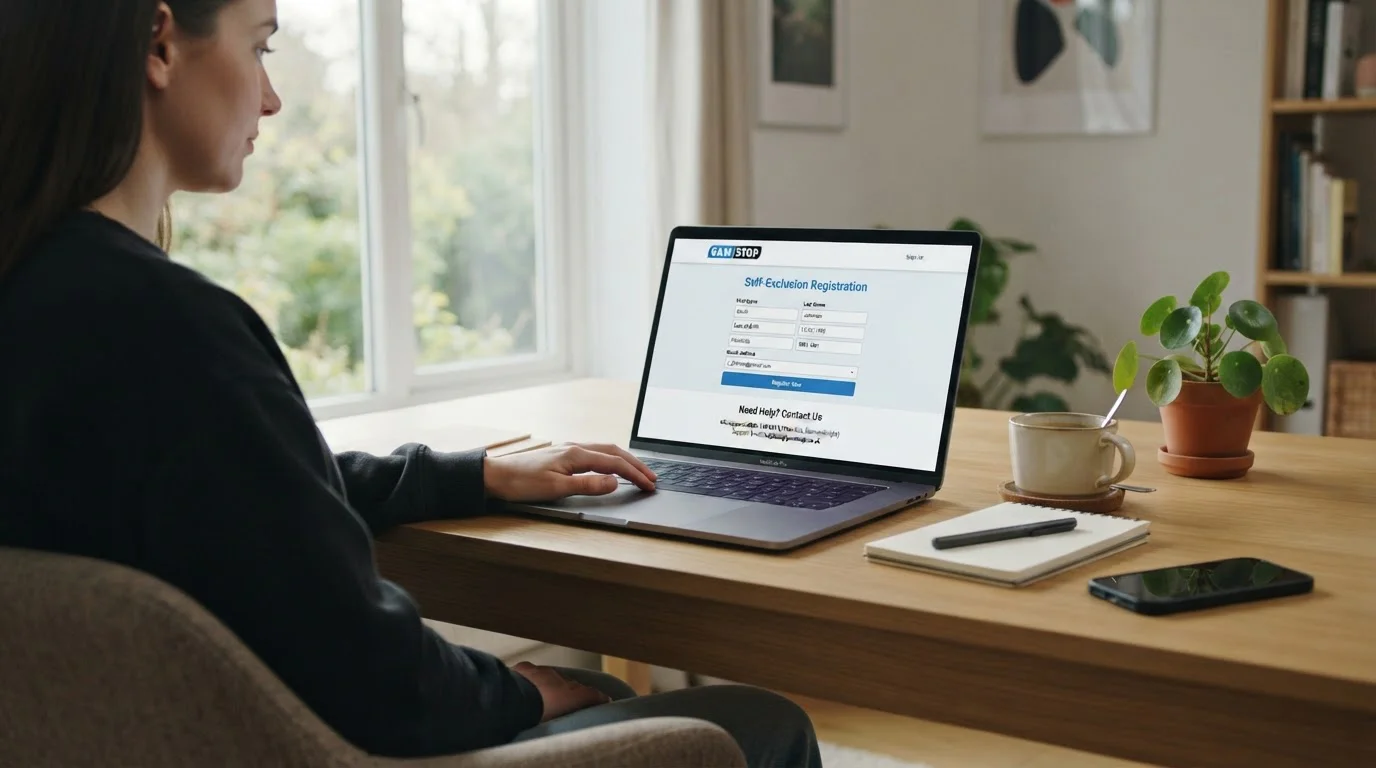
Fast payments and easy access to casino accounts cut both ways. The same open banking flow that gets your winnings back to your account in under an hour also makes it easy to deposit again without pausing. Speed is useful when you are cashing out. It is a risk when you are chasing losses.
UKGC-licensed operators are required to offer responsible gambling tools. Deposit limits are mandatory as of September 2026—every operator must allow you to set a daily, weekly, or monthly cap on deposits. The limit applies only to money paid into your account, not to turnover or losses. Once you hit your limit, you cannot deposit more until the period resets. Setting a limit takes effect immediately. Raising or removing a limit triggers a 24-hour cooling-off period.
Reality checks are another tool. You can set a timer that pops up a notification after a specified session length—30 minutes, one hour, two hours. The notification reminds you how long you have been playing and gives you the option to continue or take a break. The feature is simple but effective at breaking the flow of continuous play.
Self-exclusion is the strongest intervention. UKGC operators must offer self-exclusion for periods of six months, one year, or five years. Once you self-exclude, the operator closes your account and refunds any remaining balance. You cannot reopen the account during the exclusion period, even if you change your mind.
GamStop is the cross-operator self-exclusion scheme. Register once at gamstop.co.uk, and every UKGC-licensed operator in Great Britain is required to block your access. The exclusion applies across all licensed casinos, betting sites, bingo operators, and lotteries. It is free, it is immediate, and it covers the entire UKGC-regulated market. Offshore operators are not part of GamStop, which is one reason playing at non-UKGC sites is riskier.
Many UK banks now offer gambling blocks. You can enable the block through your banking app, and it prevents transactions to gambling operators. The block applies to all gambling, not just online casinos, and it typically requires a 48-hour cooling-off period to lift. If you use open banking to deposit at casinos, a gambling block at the bank level will stop the payment before it reaches the casino.
If spending at casinos starts to feel uncomfortable, the National Gambling Helpline is free and confidential: 0808 8020 133, open 24 hours a day. BeGambleAware offers support and resources at begambleaware.org. If you are worried about someone else’s gambling, the helpline covers that too.
Offshore casinos do not provide these protections. They are not required to integrate with GamStop, offer deposit limits, or provide access to UK support services. Some offshore operators offer self-exclusion, but it applies only to that site. If you self-exclude from one Curaçao-licensed casino, you can still register and play at another. The lack of cross-operator oversight is one of the biggest risks of playing outside the UKGC framework.
UKGC-licensed operators are also required to monitor for signs of problem gambling and intervene when spending patterns raise flags. This is part of the UKGC’s financial vulnerability framework, introduced in 2025 and strengthened in 2026. If an operator detects harmful play patterns—large deposits, chasing losses, late-night sessions—they are required to step in and conduct an affordability assessment. The operator may ask for proof of income or source of funds, and they can restrict your account if they believe your gambling is unsustainable.
These checks are intrusive, and they slow down the process of depositing or withdrawing. But they exist because gambling-related harm is real, and the UKGC has decided that operator intervention is preferable to allowing unchecked losses. If you hit an affordability check and you are gambling within your means, provide the requested documents. If the check makes you uncomfortable because the gambling is not sustainable, that discomfort is the intervention working.
Casino Deposit Methods UK 2026 — Cards, E-Wallets & More
Content created by the «casinomoneyg» team